Categories
Spieldaten

Advancements in Football Through AI, Data Analytics, and Tracking Technologies

Contents

Advancements in Football Through AI, Data Analytics, and Tracking Technologies

Introduction

Football, known across the globe as "the beautiful game," has undergone a remarkable transformation in recent years. Artificial intelligence (AI), detailed data analytics, and sophisticated football tracking technologies have redefined the football landscape, providing coaches and players with insights that were previously unimaginable. Teams now routinely optimise player performance, strategic decision-making, and injury prevention through data-driven methods. In this article, we explore these transformative innovations and examine their direct impacts on modern football.

Unveiling Tactical Insights with Data Visualisation and Heatmaps
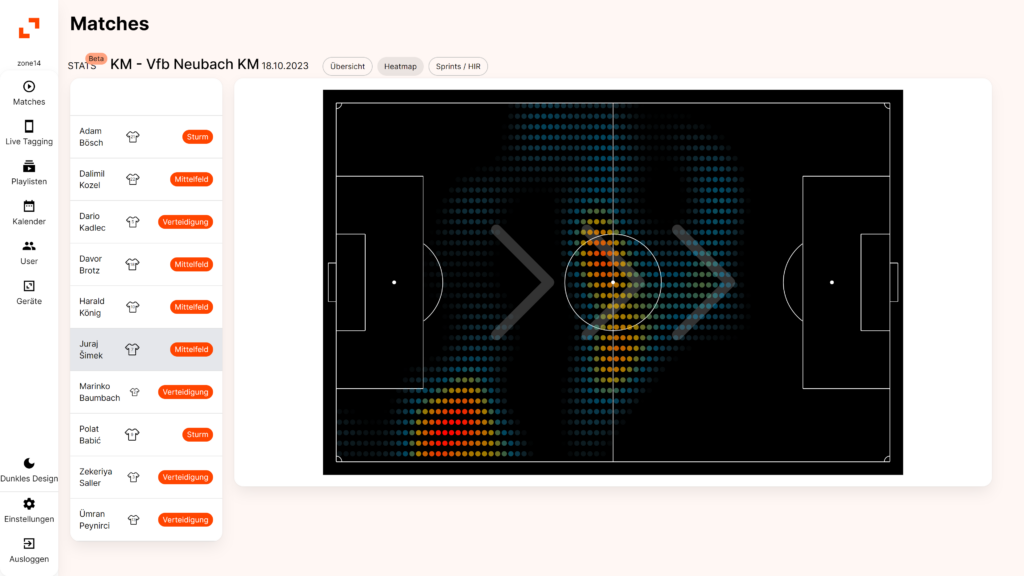
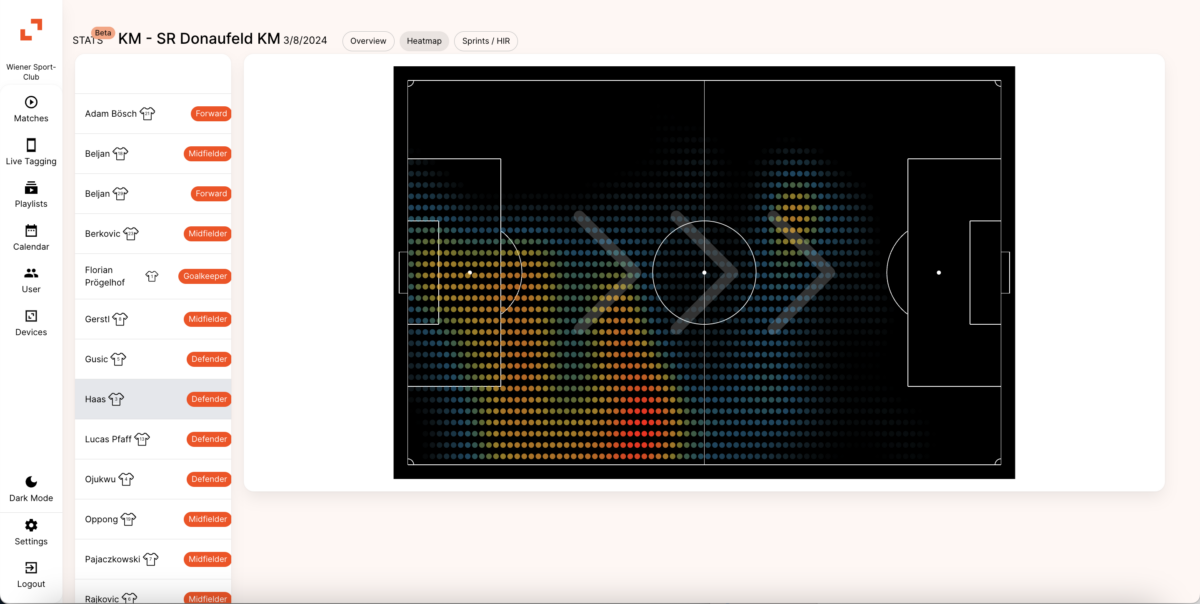
Heatmaps by zone14 (Zoomed)
zone14 STATS

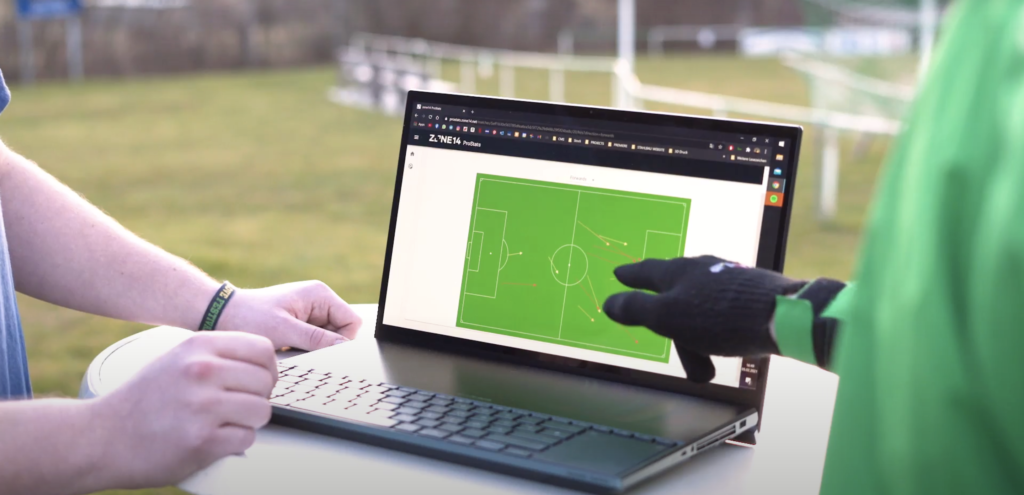
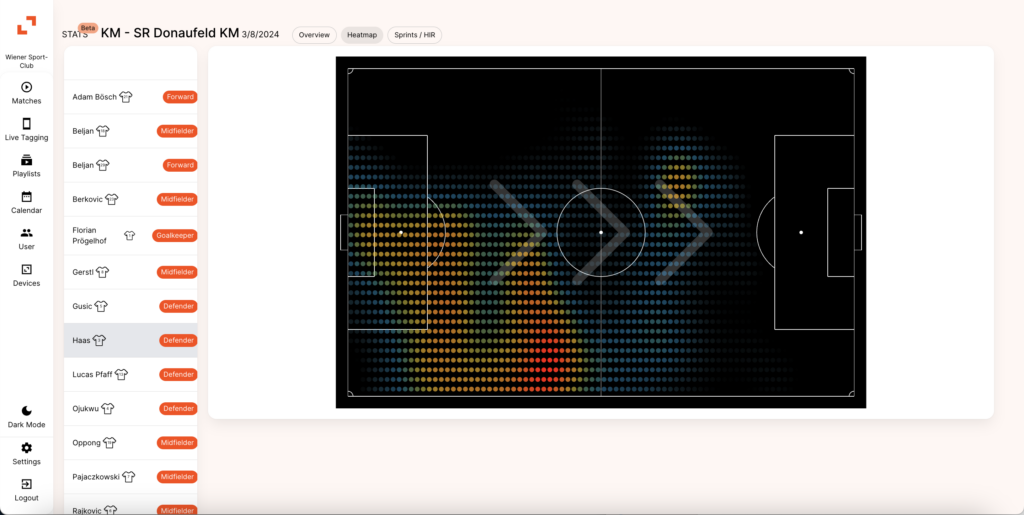
Data visualisation techniques such as heatmaps are a key aspect of tactical analysis in football. Heatmaps visually represent player positions, movements, or interactions with the ball, translating complex data sets into easily actionable insights. Coaches rely on heatmaps to identify positional trends, highlight important zones in attacking play, or reveal potential tactical vulnerabilities.

Our detailed exploration of heatmaps demonstrates their value in evaluating attacking strategies. By assessing whether a team consistently attacks through certain flanks, coaches can adjust tactics accordingly, enhancing offensive versatility. Similarly, defensive heatmaps identify frequent points of opposition breakthroughs, informing tactical adjustments to fortify defensive structures.

When combined with AI, heatmaps can also enable predictive analysis, taking tactical planning from reactive to proactive. In the latest technological breakthroughs, AI models are able to forecast opponent tendencies, allowing coaches to adjust formations and strategies in advance, significantly improving match preparedness. Thanks to football tracking, it is also now possible for teams to access data visualisations such as heatmaps through solely camera footage.

Maximising Player Performance through Running Statistics

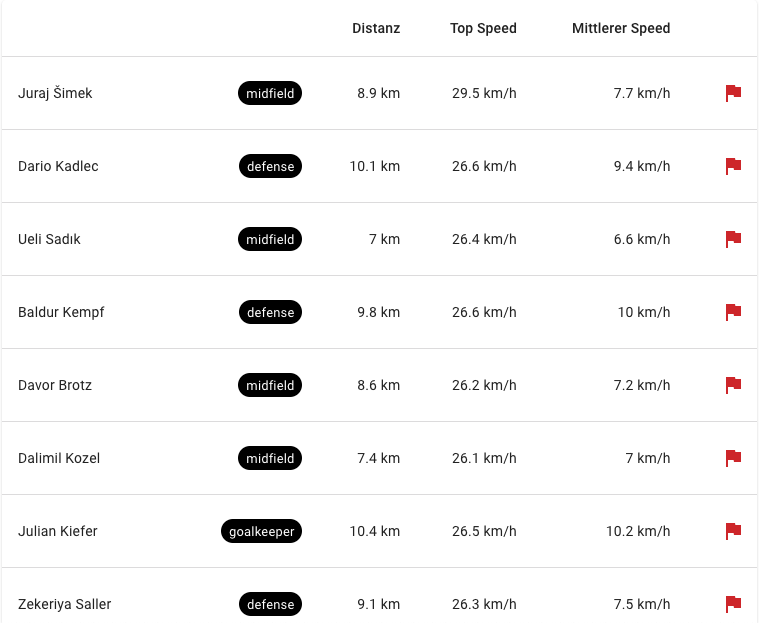
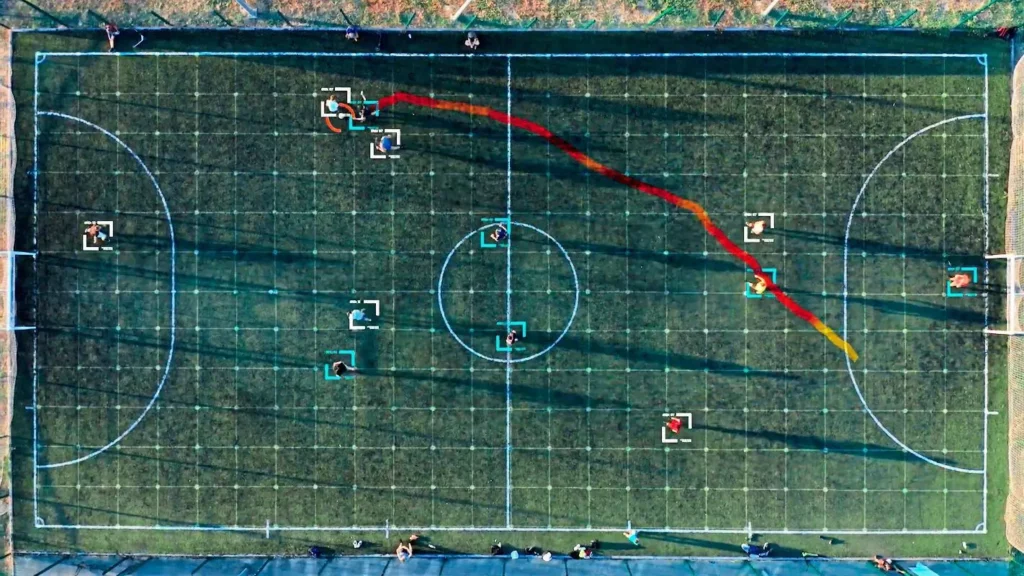
Running statistics have become essential in football analytics, offering objective assessments of a player’s physical contributions on the pitch. Metrics such as total distance covered, high-intensity sprints, acceleration, and recovery times provide deep insights into players' fitness levels and tactical roles. Running has become an increasingly important aspect of the modern game, with the top coaches demanding high intensity with and without the ball. 

Midfielders, who generally cover more ground than other positions, require tailored fitness regimes to sustain their extensive physical output. In contrast, forwards and wingers typically focus on explosive movements and speed. Teams are able to use running data to craft customised training programmes, manage workloads, and significantly reduce injury risks.

Learn more on how running statistics are used by top coaches. 

Advanced football analytics software integrates these running statistics into comprehensive dashboards or visualisations, allowing coaches immediate visibility into player conditioning, enabling timely decisions about rest, recovery, or training intensity.

Revolutionising Analysis through AI-driven Video Technology
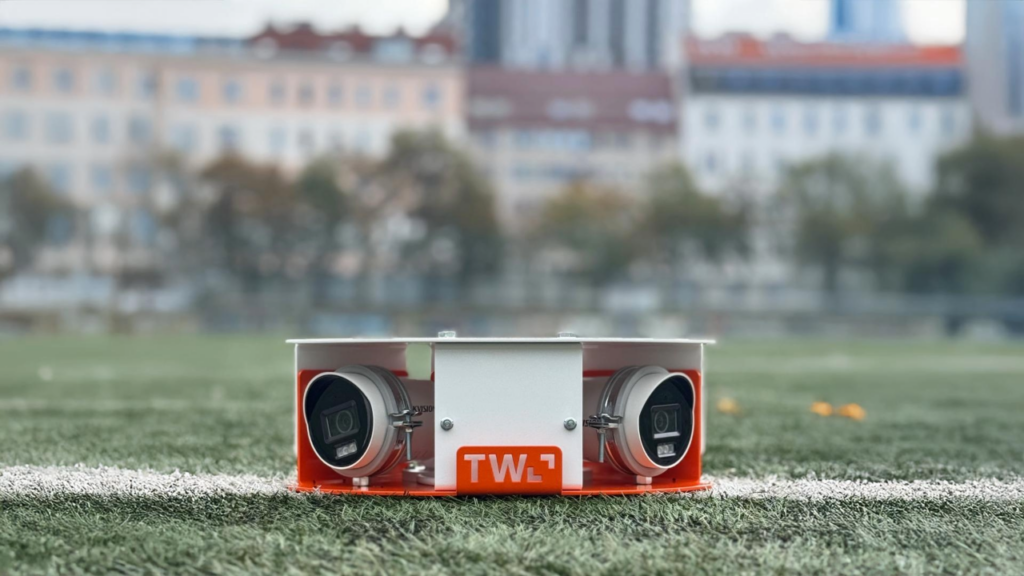
zone14-kamera
zone14 TWO A.I. Fußball-Kamerasystem

The practice of video analysis has significantly evolved, moving away from manual video recording to advanced AI-powered camera systems such as the zone14 TWO are able to record every match automatically. As technology advances, we also now see intelligent AI powered algorithms that are able automatically identify and categorise key moments such as goals and set-pieces to save coaches even more time when reviewing footage. 

Our exploration into video analysis highlights how these technologies facilitate detailed evaluations of individual and team performances. Not only do AI powered football cameras support coaches in analysis, but they can also make Live streaming for clubs who would not normally have the resources to do so. Learn more.

Artificial Intelligence: Predictive Models and Strategic Advantages

Artificial intelligence in football extends far beyond video analysis alone. AI-driven predictive models can process vast amounts of historical and real-time data to forecast match outcomes, anticipate player performances, and unveil opponent tactical approaches. These predictions provide strategic advantages by informing pre-match preparation and in-game adjustments. For example Liverpool FC are now working together with Google to develop an AI model that is able to predict corner kick outcomes and advise coaches of the best tactical strategies for these match situations. 

AI has also significantly transformed scouting and talent identification. Traditional subjective evaluations are increasingly complemented by AI-powered analytics that objectively assess player performance across multiple competitions and seasons. This data-driven approach reduces biases and enhances recruitment accuracy, as discussed extensively in our blog on AI innovation in football.

Optimising Performance with Football GPS Vests
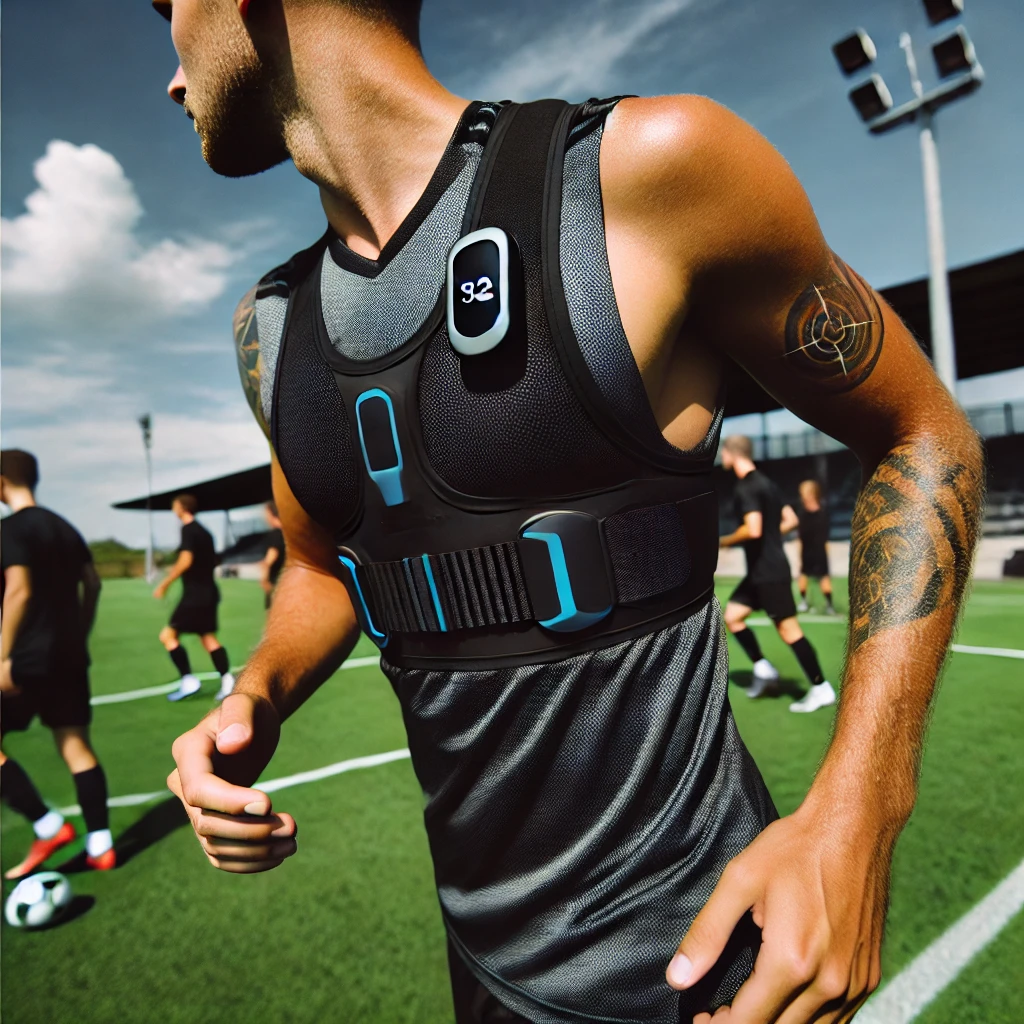
Football player wearing a GPS vest

GPS technology has drastically reshaped player monitoring in professional football. You may have noticed professional footballers wearing bras that contain these GPS tracking devices. GPS-Vests capture critical real-time data such as player movements, speed, acceleration, and physiological metrics, including heart rate. Coaches and medical staff use these insights to optimise training loads, manage player fatigue, and significantly reduce injury risks.

Through careful analysis of GPS data, teams can detect early signs of physical fatigue or potential injury, enabling preventative measures such as rest, recovery protocols, or adjusted training routines. GPS technology has shown its growing adoption not just in professional teams but also in semi-professional and grassroots football, broadening access to advanced performance analytics. However as technology in football continuous to develop there is a growing trend of teams using AI camera tracking solutions which are also able to produce the insight usually tracked by GPS data.

The Expanding Role of Wearable Technology in Football

Beyond GPS vests, wearable technology encompasses an expanding range of advanced devices, including heart rate monitors, accelerometers, and gyroscopes. These devices provide comprehensive physiological and biomechanical data that are critical for player safety, performance optimisation, and injury prevention.

Immediate feedback during training sessions allows coaches to adjust intensity or technique in real-time, while accumulated data informs longer-term training strategies. Our analysis highlights innovations such as smart insoles capable of assessing foot pressure distribution which can be valuable data for preventing injuries and improving biomechanical efficiency. This shift represents football’s growing commitment to precise, personalised athlete management and high performance.

Data Analytics at Major Tournaments

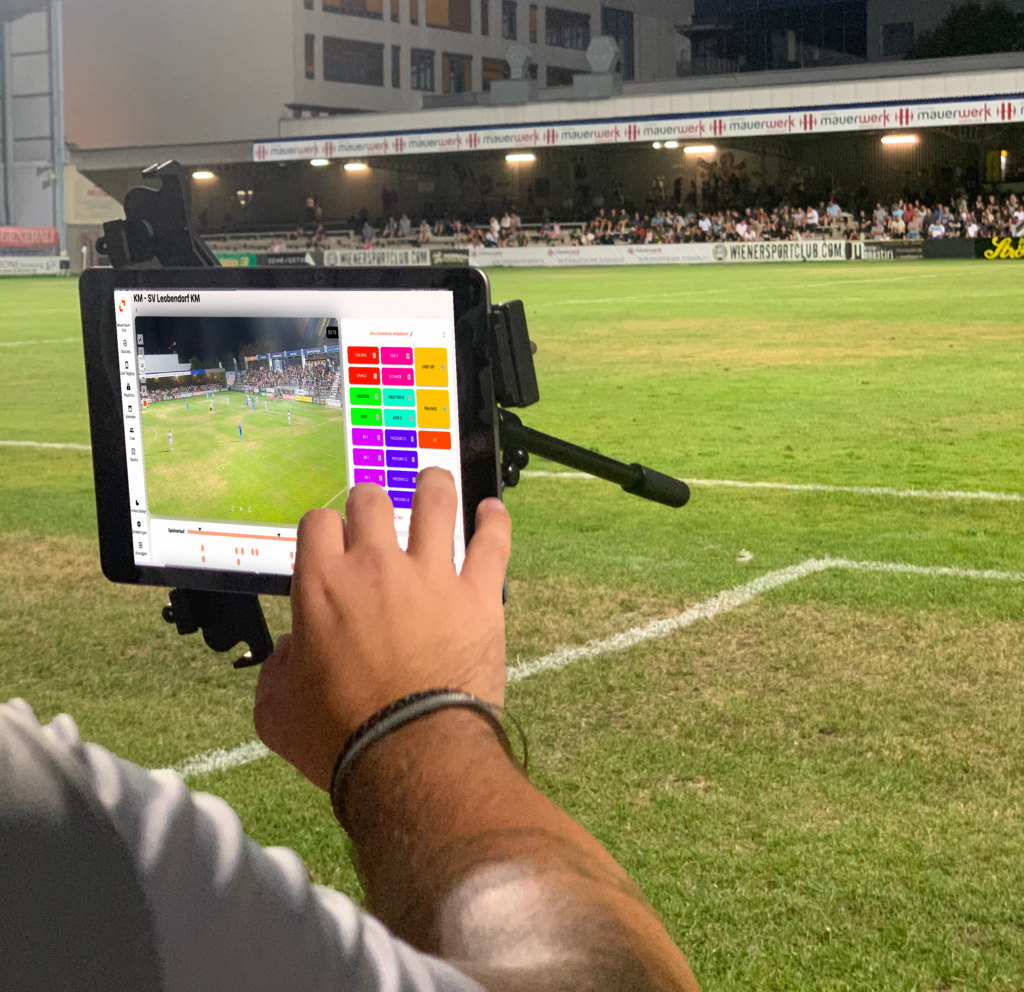
Manual tagging of football data by hand

Data analytics have become central to match preparation in major tournaments such as the UEFA European Championship and the FIFA World Cup. Historically relying on basic statistics, teams now employ advanced analytics to deeply understand their opponents' tactics, set-piece routines, and individual player tendencies.

In this article, we looked into major tournaments and how teams leverage detailed analytics to anticipate opposition strategies, leading to more effective defensive preparations or targeted offensive approaches. This precise strategic planning has increasingly influenced tournament outcomes, highlighting the vital role analytics now play on football’s largest stages. Additionally the use of AI is not just limited for performance analysis, it can also be used as an organisational tool for huge sporting events, such as AI tracking to support crowd management at the recent EURO 2024 tournament in Germany.

zone14 STATS: Innovating Player Tracking Without GPS
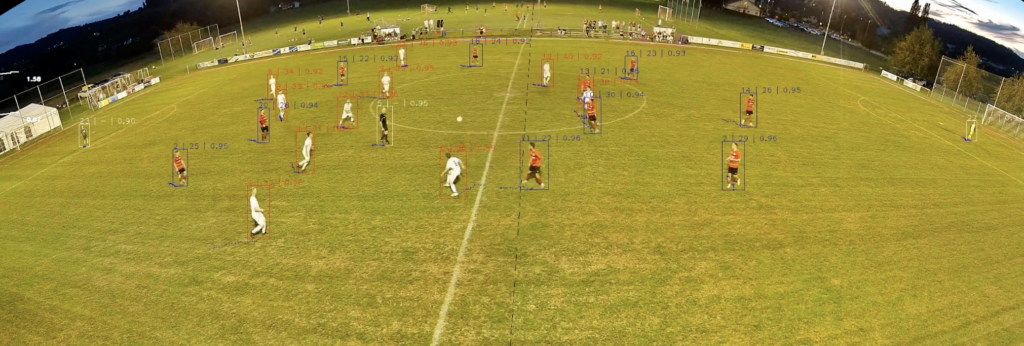
At zone14, we've developed an innovative solution for football tracking - zone14 STATS, which offers accurate player tracking and analytics without the need for traditional GPS hardware. Leveraging cutting-edge AI and computer vision technology, zone14 STATS tracks detailed player movements, positional data, and tactical formations exclusively through the zone14 TWO camera system.

This approach simplifies data collection, eliminates hardware discomfort for players, and significantly streamlines operational setup. Coaches and analysts gain access to intuitive interfaces providing instant, actionable insights. zone14 STATS democratises advanced analytics, making elite-level performance tracking accessible and affordable to clubs at all competitive levels, from grassroots teams to professional clubs.
Learn more about zone14 STATS!

Heatmaps on zone14

Conclusion: Football’s Data-Driven Future

The integration of AI, advanced data analytics, and sophisticated tracking technologies has profoundly reshaped modern football. From heatmaps and running statistics to predictive AI models and innovative player tracking platforms like zone14 STATS, these advancements have revolutionised how the game is analysed, coached, and played.

As these technologies continue evolving, football analytics promises deeper insights and greater precision, driving continuous improvement in team performance, tactical strategy, player welfare, and recruitment. Teams embracing this data-driven approach will not only succeed competitively but also shape the future evolution of the beautiful game. Learn more on what the future of video analysis in technology in football could look like.

Share on Facebook
Share on Twitter
Share on Linkedin
More related content from zone14
Already have a camera but looking for an affordable analysis platform?

zone14 COACH is the solution

Categories
Video Analysis

Video analysis: technologies, tools, areas of application and best practices 2025

Contents

Video analysis: technologies, tools, areas of application and best practices 2025

Introduction - What is video analysis and why?

Video analysis is an essential part of modern sport, especially football. It enables coaches to analyse matches and training sessions in detail and gain valuable insights into the performance of players and the team as a whole. Video footage and statistical data are combined in order to recognise weaknesses and develop targeted improvement measures.  

This type of ‘visual data processing’ not only provides objective facts, but also a high-quality basis for communication between the coaching staff and players. This means that tactical changes can be discussed more quickly and individual suggestions for improvement can be implemented in a more targeted manner. 

The importance of video analysis in football

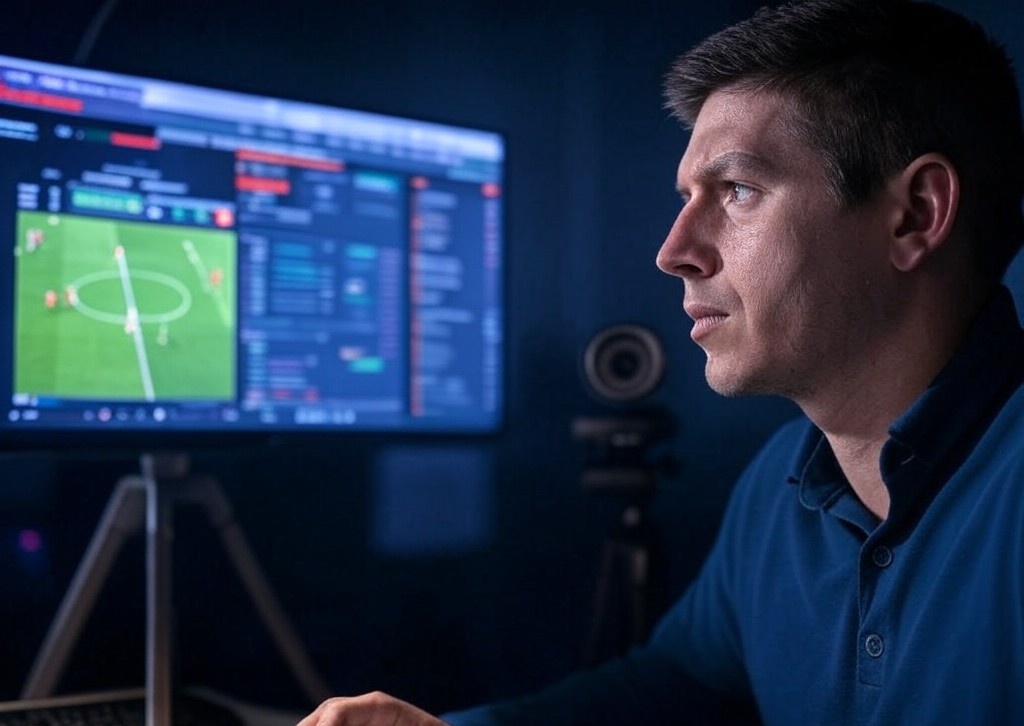
A football video analyst looking at a match recording and statistics on a computer screen.

In football, fractions of a second often decide the outcome of a game - and this is precisely where video analysis comes in.It helps to better understand tactical relationships and to plan the course of a game with foresight. By specifically analysing running routes, passing patterns and space allocation, teams can increase their efficiency and exploit weaknesses in the opponent's defence.  

In addition, video analysis enables a fact-based discussion within the coaching team.Instead of relying on vague impressions of the game, video sequences and statistics can provide concrete evidence, such as the effectiveness of certain formations. Providers such as zone14 attach great importance to user-friendly presentation and rapid availability of the data, which relieves the coaching team enormously and simplifies decision-making. 

How to become a video analyst in football?

The path to becoming a video analyst often leads via a sports science or media-orientated degree.However, training or a bachelor's degree in sports management or sports journalism is also often helpful. In addition, internships and initial experience in sports analysis are required to learn how to use various analysis tools in practice. 

Alle Schritte und Voraussetzungen, um selbst Videoanalyst im Profifußball zu werden, sind hier zusammengefasst.

Comprehensive football knowledge is also required.Tactical understanding, a trained eye for detail and the ability to quickly edit and process complex video sequences are essential. 

More information on the indispensable influence of video analysts on tactics, training planning and match progression can be found here.

Video analysis in training

filming the training

By specifically showing real game situations, players gain a better understanding of space allocation, passing routes and decision-making.At the same time, the video material serves coaches as a basis for individual feedback discussions and the development of customised training content.In this way, video analysis contributes significantly to the sustainable improvement of playing skills and game intelligence. This article explains, how targeted evaluations of personal match actions with the help of video analysis promote and continuously develop individual talent.

Video analysis is not only limited to team tactics, but also offers an excellent opportunity to promote the individual performance development of players.By analysing one-on-one situations, running routes and technical execution, individual training plans can be drawn up.For example, if a striker has difficulties finishing a goal, targeted advice can be given on shooting technique or positional play in front of goal, supported by video recordings. 

To find out here how video analysis accelerates the learning process, conveys tactical subtleties and develops the full potential of players read more here.

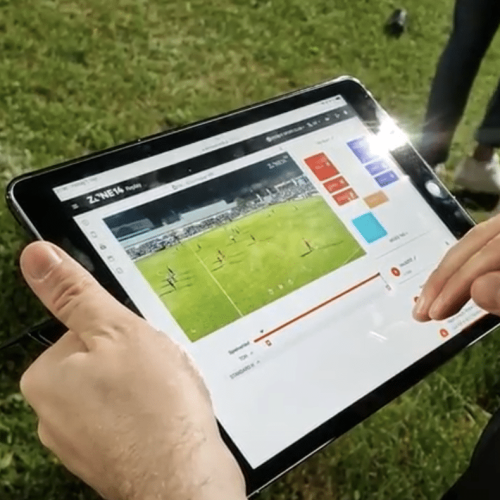
During training itself, sequences are often recorded in real time and then analysed to provide players with feedback. With the help of modern software like REPLAY by zone14 , coaches receive immediately available clips that can be shown during training or in one-to-one meetings.This accelerates learning processes and raises each individual's awareness of their strengths and weaknesses. 

Why is video analysis is indispensable in everyday training in order to build on strengths, recognise weaknesses and make individual progress measurable? Read more here.

Live Video Analysis in Football

During the 90 minutes of a match, tactical adjustments and immediate feedback are often crucial. Live video analysis enables coaching teams to make analyses and modify strategies while the game is still in progress. For example, opponents' formation changes can be recognised and the team's own changes or tactical adjustments can be adapted accordingly. 

Here we show, why real-time analysis during the game can make the decisive difference and how coaching teams can use it to implement tactical adjustments immediately.

zone14 LIVE offers real-time analysis options so that the coaching team can immediately adapt to changing situations. This gives them a competitive advantage, as they do not have to wait until after the game to make use of analyses, but can react proactively. Live video analysis has therefore long been established in the professional sector and is also becoming increasingly important in the amateur sector, where affordable hardware and easy-to-use software solutions are becoming more and more popular.

Statistics and Data in Video Analysis

Modern football increasingly relies on data-driven insights to improve team performance. Heatmaps are an indispensable tool in this regard, as they provide a visual representation of player movements and the overall formation in the game. By analysing activity in different zones of the pitch, tactical patterns can be better understood and specifically adapted.
Read more, on how heat maps and data visualisation influence football analysis.

In addition to the heat maps, running statistics also play an important role in assessing the fitness and playing time of individual players. Metrics such as the total distance covered, high-intensity sprints or running speed provide important information on workload and energy consumption. Based on this data, training programmes can be optimised and the team's fitness can be increased in a targeted manner.

An insight into how running statistics can help in optimising performance.

The combination of video analysis and statistical data facilitates well-founded decisions, for example when choosing a suitable formation or monitoring the degree of fatigue. With zone14 STATS such statistics can be linked directly to video data - in an all-in-one solution that does not require a GPS tracker.

AI Cameras and Software for Video Analysis

zone14-kamera

AI powered camera systems have fundamentally changed the way football matches are recorded and analysed. Instead of complex, manual camera control, these cameras track the ball and players automatically, which ensures high-quality video material without additional effort.

Read more here, on which are the best cameras for video analysis

However, high-quality recordings alone are not enough. The right video analysis software is just as important. The best platforms offer functions such as tagging, real-time evaluations and clear organisational tools to gain targeted insights from the footage for tactical and individual improvements.

Our article on finding the best football video analysis software.

Given the many options available, it makes sense to compare different solutions. Factors such as cost, range of functions and user-friendliness play an important role in selecting the optimum all-in-one system.

A detailed comparison of video analysis solutions.

zone14 offer a complete package of camera and software that is affordable and easy to use for clubs of all levels. The zone14 TWO is ideal for live streaming and tactical analysis thanks to its advanced AI functions and can be intergrated with the REPLAY-analysis tool seamlessly.

Video analysis in youth and amateur football

Video analysis is no longer reserved for professional clubs. It is also a valuable tool in youth and amateur football to accelerate learning processes and support players in their development. At youth level, video feedback enables talented players to understand movement sequences and decisions more precisely and to continuously improve. Coaches can use the recordings to specifically address strengths and weaknesses.

Insight into how video analysis can support in youth development.

Amateur teams also benefit from video analysis, as it promotes more precise communication and an increased tactical understanding. Even part-time coaches can use user-friendly tools to identify errors in the game and initiate effective corrective measures. Read more, on how amateur teams can use video analysis.

In addition, league-wide video analysis solutions facilitate the exchange of recordings between different teams, which raises the quality of the entire competition.

Information on how leagues are using video analytics for broader coverage.

zone14 also offers a reasonably priced fixed installation for amateur clubs, which is not limited to use only by the first team. Thanks to the functionalities of zone14 REPLAY videos can be easily be shared around the league.

Video analysis with young players

The future of video analysis in football

Artificial intelligence and machine learning will play an even greater role in the future. Advanced predictive analysis will provide real-time insights into the game and enable coaches to quickly recognise trends and implement tactical changes immediately.

Automated tactical set-ups, precise player tracking and advanced injury prevention systems are constantly evolving and increasing the value of video analysis for all clubs - from youth to professional sport.

An outlook on what the future holds for football video analysis.

By using these modern technologies, deeper insights can be gained and overall performance can be sustainably improved. zone14 aims to make these advanced solutions available to all clubs, not just the professional sector. zone14 STATS and automatic goal recognition are just the beginning - many clubs in Europe have already worked with zone14 and reached new highs!

Contact us to find out how zone14 can bring video analysis to your club.

Share on Facebook
Share on Twitter
Share on Linkedin
More related content from zone14
Already have a camera but looking for an affordable analysis platform?

zone14 COACH is the solution

Categories
Spieldaten

Wearable Tech In Football

Contents

Wearable Tech In Football

Wearable tech has become a useful tool for teams to monitor players’ physical conditions, track performance, and improve training strategies. These powerful devices provide insights into many attributes such as a player’s speed, to their heart-rate, helping coaches make effective decision that impact their performance positively. However, as time goes on, there is a future where these wearables may not be needed.

In this blog, we’ll look at the most popular wearables in football today and discuss what the future may look like without these physical devices.

Football wearable tech: GPS Vest

GPS Tracker

One of the most common wearables in football today is the GPS tracker, typically worn in a vest under a player’s jersey. These devices track a player’s movement, speed, and positioning throughout the game, giving coaches accurate data on their activity. Other than performance analysis, GPS vests also help with injury prevention, tactical insights, and instant feedback. Some popular GPS trackers in football include: GPS-Vests also help with injury prevention, tactical insights, and instant feedback. Some popular GPS trackers in football include:

Catapult GPS

Used by teams worldwide, Catapult’s system can measure metrics such as distance covered, sprint count, and player workload. The data provided by Catapult GPS trackers allows coaches to tailor training sessions and manage player fatigue.

STATSports GPS Vest

Another widely adopted GPS wearable, STATSports provides real-time feedback on distance, speed zones, and accelerations. It’s valuable for tracking player exertion during high-intensity periods and preventing overtraining.

While these GPS systems are a key component to every player, they have limitations. GPS trackers rely on satellite signals which can be inconsistent depending on where you are. They can also be uncomfortable for players, and in some cases, they can even forget to put them on. Not only that, but maintenance issues could arise as well. Another issue is the cost. With big squads, it can be expensive to buy a vest for every single player, which could be a problem for amateur clubs and players and could halt their progression as they could either not have an up-to-date version of the vest, and constant upgrades could be needed.

Heart Rate Monitors

Heart rate monitors are often worn in straps around their chest, are already in the vests, or come in the form of a bracelet to track a player’s exertion levels. This data is the key component for measuring cardiovascular strain, recovery rates, and overall fitness.

Polar H10 Chest Strap

Known for its accuracy, the Polar H10 is widely used by athletes across sports. It tracks heart rate variability (HRV), a metric often used to assess a player’s recovery and readiness for training.

WHOOP Strap

WHOOP monitors heart rate, strain, and recovery, and its app provides detailed recovery and sleep analysis. This wearable is particularly useful for optimizing player wellness and ensuring they are fully recovered before taking the field.

While heart rate monitors provide a deep look into a player’s physical trajectory, they can be uncomfortable. Also, keeping track of your statistics through an application constantly could be risky as well, since over-relying on technology means that all your data could potentially be lost. Moreover, there could be unnecessary distraction due to the menta shift of in-game statistics to more health-related statistics, even though they are just as useful. Forcing players to keep their heart rate within a specific range could sway them away from their natural style of play.

Wearable Cameras

Some teams have started to experiment with wearable cameras to capture a first-person, or POV perspective of the game. These devices are often mounted on a player’s chest, headgear, or sometimes on glasses as well. These cameras offer insights into a player’s field vision, decision-making, and awareness during matches. The footage can be analyzed to improve tactics and enhance spaitual awareness. In training environments, these cameras are especially valuable for gathering tactical and visual feedback to improve individual and team performance.

GoPro

Worn on chest mounts or headbands during training (not in official matches), GoPros provide video feedback on how players move, perceive teammates, and make decisions.

Pupil Labs Eyewear

This advanced eyewear tracks where players are looking during the game, offering valuable information on focus and reaction time.

Although wearable cameras provide something unique, they can be distracting and are unsuited for real-game scenarios. With advancements in smart camera systems embedded in stadiums, we may soon capture these visuals without replying on players wearing any equipment. Also, Just like any other wearable, they can cause physical discomfort especially in a high-contact sport like football. Also, since wearable cameras are primarily used in training, as many leagues don’t allow the use of the cameras in official matches. This limits their output for coaches and analysts because they are unable to gather in-game insights.

The next generation of analytics without wearables

Today’s wearable technology in football gives clubs priceless data on player performance and health, but their physical nature limites them. Innovations and advancements in AI-driven cameras, field sensors, and smart stadium technology in the distant future may give players and teams the freedom to gain insights without needing wearable devices.

Imagining a future where GPS data and heart rate monitoring are captured by systems integrated into stadium infrastructures, such as AI-driven cameras could be solutions that improve data accuracy, player comfort, and obedience with match regulations, strengthening football analytics while allowing players to perform without distraction. 

zone14 STATS

zone14 bietet Hightech- und KI-gesteuerte Kamerasysteme, die Leistungsdaten ohne tragbare Geräte erfassen. Im Gegensatz zum herkömmlichen Tracking ermöglicht zone14 dem Team, ein Spiel und einzelne Spieler zu analysieren, ohne dass die Spieler abgelenkt werden. Das Tracking der Spieler erfolgt bei zone14 über ein einziges Kamerasystem, das alle benötigten Daten erfasst, ohne die Leistung der Mannschaft durch andere Elemente zu beeinträchtigen.

Zone14 utlizes advanced cameras and AI technology that capture and analyze players’ movements, position, and game actions in real-time. This system can recognize play patterns, calculate distance traveled, and identify player speed. The result is a comprehensive, uninterrupted data set that teams can access without relying on GPS or wearable monitors.

Key features of zone14 STATS

Distance Covered: With zone14 STATS ,you can quickly track team movement and evaluate player performance with or without the ball, helping coaches make informed decisions about workload and game strategy.

Sprints: Monitor sprint counts each session and instantly get context by syncing with player tracking. Beyond fitness, this also makes it easier to train tactical elements like pressing triggers and running patterns.

High Intensity-Runs: High-intensity runs are a hot topic in training, offering a close look at player performance. Tracking these runs gives useful insights into the team’s ability to press opponents and create quick chances, while their timing helps highlight important tactical moves in the game.

the zone14 camera.

Conclusion

As we look to the future of football, the ongoing advancements in technology offer an exciting glimpse into how performance performance analysis might evolve. While wearables have played a significant role in helping teams monitor player health and performance, transformations like zone14's AI-driven camera systems suggest a shift toward a more convenient solution. By moving away from physical devices, teams can gather valuable data without distracting players, creating a more natural playing environment. This could lead to a new era of football analytics that enhances the game while allowing athletes to focus on what they do best—playing the sport they love.

Start your video analysis.

Sign up now for a completely free demo account.

Share on Facebook
Share on Twitter
Share on Linkedin
More related content from zone14
Already have a camera but looking for an affordable analysis platform?

zone14 COACH is the solution

Categories
Fußball Kamera

The true price of football stadium cameras

Contents

The true price of football stadium cameras

Let’s face it. We all love the game of football. Whether we are following a favorite player, team, or merely interested for the enjoyment of it: There is always some match we want to watch. Yet, as we flock to the screens to avidly follow along, have you ever stopped to think about what kind of sportstech makes it possible for us to do so? And have you as fans ever considered how high the stadium camera price really is?

Well, for starters, stadiums are usually equipped with advanced football camera installations that are able to record all what happens during the match. Their main purpose is to capture it as if you were there, in high-definition, so that it can be relayed to wherever you are: To watch, analyze, or enjoy. However, this is something that comes at a price.

These camera systems sell for several thousands of euros and are simply not a viable option for clubs outside of the upper elite. This is where zone14 , with the zone14 ONE camera system for football, is able to come into the fray with their affordable alternative. Imagine being able to stream at 4k quality, record and analyze videos at whichever pitch you would like to, all at a fraction of the price. Sounds good, doesn’t it? But more on this later.

zone14 TWO

All-in-one camera system

Advanced football camera installations

Nonetheless, it is still worthwhile to discuss which advanced football camera installations are out there: Especially considering that these are usually what makes it possible for us to watch the game we love. Rather than home in on specific products on the market, we turn to the different types of football cameras that are in play in football stadiums: For live sports broadcasts, in-depth video analysis, and fan engagement.

Broadcast cameras

Sony Kamera in Action!

Broadcast cameras are essential in bringing the game to you. With these, it becomes possible to capture every moment of the game itself, catering to a high-quality viewing experience. These football camera installations often feature advanced zoom, image stabilization, and high frame rates that make it a top choice for live sports broadcasts.

A popularly used example is the Sony HDC-5500, known for its 4k resolution, enhanced slow-motion capabilities, and delivering clear, vibrant images even under challenging lighting conditions: At a price of €60 thousand. Quite a steep asking price, if you ask me.

Tactical cameras

Tactical cameras are crucial for in-depth video analysis. These cameras provide multiple angles of the match being played and high-definition replays: Allowing both coaches and analysts to be able to break down plays, review tactics, and improve performance.

One popular system is the Intel True View, which uses volumetric video technology to create 360-degree replays, allowing for the detailed observation of player movements in post-match analysis. It is said to cost around €1 million and is really at the pinnacle of football camera installations, yet as you might have started to realize, this is simply not affordable for clubs outside the upper elite.

Fan experience cameras

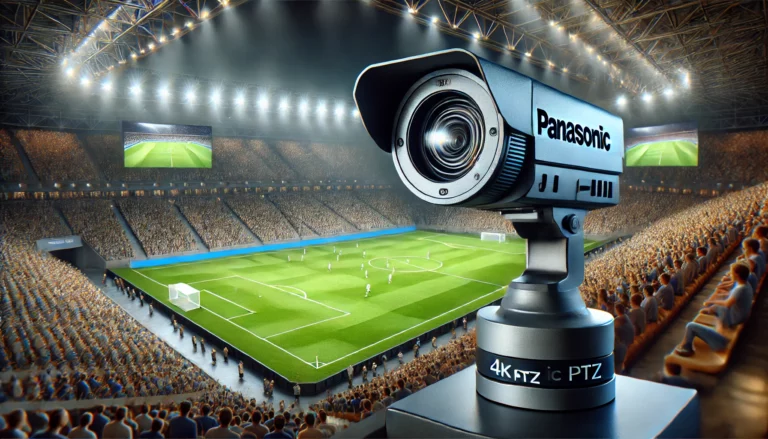
Panasonic PTZ in action!

Fan experience cameras, as the final of the three types of football camera installations to be introduced today, are mounted in stadiums to capture the energy in-stadium. In doing so, the main goal is to bring the audience closer to the action, with some new technologies even being able to immerse fans in the stadium using virtual reality.

A popular example is the Panasonic PTZ, which offers flexible, wide-angle shots and smooth motion tracking, perfect for elevating the overall match-day experience. In comparison to the other sportstech introduced above, this is the most fair-priced of the three, coming in at the single-digit thousands of euros: Yet still, that price screams ouch!

Benefits of advanced football cameras

Overall, advanced football camera installations elevate the quality of life of viewers looking to follow the game we all love. On the one hand, broadcast cameras enhance live footage with crisp, high-definition visuals, giving fans a top-quality viewing experience. As for analysts and coaches, tactical cameras allow for detailed video analysis with their multi-angle set-up and break down the action exactly as they like. Then, as a further example of how far sportstech has come, fan experience cameras are made to help boost engagement, amplify the atmosphere inside the stadium, and connect all of us to the action like never before.

High price as the major drawback

However, there is one major drawback that has continued to arise in this discussion, which is the incredibly high price of such football camera installations: And how this creates a limit to how many clubs are able to benefit from them. It creates an often insurmountable barrier to entry and restricts the access to these advanced solutions to the upper elite. As a result, the imbalance in the football world continues to rise, all the while the ambition of those “other” clubs to elevate their game remains a strong force.

zone14 as an alternative!

This is where we at zone14 enter the fray. With our all-in-one football camera system the goal is to enable streaming and video analysis, no matter the level of the club. We pride ourselves on the functionality of our two 4k-cameras, which are not only suitable for broadcasts, yet also cater to video analysis in zone14 REPLAY : And in our premium offering, for data-driven observation with our zone14 STATS.

Sure, we do not have the same allure of the products offered from companies like Sony, Intel, and Panasonic (See above), yet we tackle the aforementioned accessibility issue in especially one area: Price. zone14 ONE is your partner for video analysis, helps you keep an eye on each and everything with your camera above the pitch, so that you never miss a moment: the stadium camera price. zone14 ONE is your partner for video analysis, helps you keep an eye on each and everything with your camera above the pitch, so that you never miss a moment! If this sounds like something you would be interested in , or you would simply like to have a chat, do not hesitate to reach out to us.

zone14 REPLAY

Football video analysis for everyone.

Conclusion

At the end of the day, football camera installations have changed the way we are able to follow our favorite player or team. With broadcast, tactical, and fan engagement cameras, a number of different use-cases for such sportstech have emerged: Yet, while the upper elite of football clubs are able to spend thousands of euros on them, it is clear that not everyone can afford the same technology for their own pitch.

Luckily, with options like the all-in-one 4k-camera system from zone14 , the future of football does not only belong to the elite. This is our promise. So, whether you are an international powerhouse or a local club, the right football camera does not have to cost you a Champions League-level price. Come join us on the journey to democratize football and start analyzing your football videos today: Without the astounding stadium camera price.

Share on Facebook
Share on Twitter
Share on Linkedin
Already have a camera but looking for an affordable analysis platform?

zone14 COACH is the solution

Already have a camera but looking for an affordable analysis platform?

zone14 COACH is the solution

More related content from zone14
Categories
Fußball Kamera

How to record football matches with your phone

Contents

How to record football matches with your phone

On the one hand it provides personal enjoyment to those wanting to relive thrilling moments. However, phone recordings also offer a valuable video analysis tool for players and coaches: To analyze, to learn, and to share. They can review performances, plan future strategies, and showcase talent to scouts. In this article, we will dive deeper into how phones can be used to record football matches and how we at zone14 can help make this process as easy as 1, 2, 3 with our REPLAY tool .

Recording football matches with your phone

While everyone has, at least in their own capacity, become acquainted with how to use the video function on their phone: Here are some additional steps that will make your experience recording football matches with your phone more thorough and help yield even higher quality outputs for future video analysis. What that analysis consists of, in the end, is entirely up to you!

Step 1: Buy the right equipment

The right equipment can be decisive

The process of recording football matches begins far before you are to arrive at the pitch itself. It all starts with purchasing the right equipment, in this case primarily the phone you will use, yet also extends to any accessories you need to help facilitate your work. Think of a tripod or mount, a power bank, or additional storage units that will enhance your video analysis. Here are some possibilities for you to consider:

Phones

Apple iPhone 15 | Bestes Allround-Smartphone | ~ €949

Sony Xperia 1 V | Top Kamera und Auflösung | ~ 999

Google Pixel 7a | Herrvoragendes Preis-Leistungs-Verhältnis | ~ 349


Tripods or mounts

JOBY GorillaPod | Flexible and versatile | ~ €50

Ulanzi ST-03 | Portable stand for on the go | ~ €15


Powerbanks

Anker PowerCore | Powerful features | ~ €35

Mophie Powerstation | Reliable and portable charger | ~ €32


Memory

SanDisk iXpand | Optimized storage for iPhone | ~ €50

Samsung EVO Plus | Memory optimized for Android | ~ €38


Step 2: Calibrating the cell phone recording devices

With the right equipment in-hand, your video analysis is now one step closer. The following step is to find the ideal spot for the phone recording and adjust your camera based on the position it is in: An important step to ensure that post-production runs smoothly (See below).

The footage will need to be stable, well-lit, and captured in good resolution for the best video analysis, with for instance the zone14 REPLAY platform . But more on this later. For now, what is important is that the chosen spot offers a position:

  • With a clear and unobstructed view of the entire playing field

  • That is set preferably from a slightly higher point that looks over whatever is happening

  • In which the phone can (in some way) be mounted for the duration of the match

Equally important, if not even slightly more so, is that the settings of the camera itself have been optimized for high-quality phone recording: A must when prepping for effective video analysis. Here are some tips to go by:

  • Newly released phones usually have stabilization features available, mostly to reduce shake, while the aforementioned tripods also lend a helping hand

  • As for the lighting conditions: This is slightly more touch-and-go, yet the general rule is that the brighter day, the lower the exposure should be to avoid overexposed footage in the recording

  • The resolution should be set to at least 1080p, to ensure that the video footage remains crisp and clear, and a frame rate of 60fps should be chosen for smooth capture

Step 3: Recording the football match

Football match in the dark

It goes without saying that it is pivotal that the match is recorded properly. It takes place live, and also only once, which means that the content will often be one of its kind: And must be captured as well as possible. zone14 has you covered with our automatic AI camera as part of our pricing packages , yet this step-by-step guide will help ensure that you will be able to master recording the match on your phone.

Then, would you like to take advantage of the REPLAY tool made available for analyzing your phone videos, you are at the right place here. It acts as your one-stop shop for uploading your own recording, store it on our cloud, and have it ready to analyze from wherever you might be.

The first key consideration is how to frame your shot. To effectively do so you must:

  • Frame the shot so that it covers as much of the field as possible, making sure that the ball and key players are always in-picture, in such a way that the camera remains stable

  • When it is not possible to do so: It is importantly to pan the pitch as smoothly as possible, ideally with the camera being mounted. In addition, you as the person recording should try to anticipate what is about to happen and move the camera in advance

The second key consideration is the choice of optical or digital zoom to avoid any compromises to the quality of the phone recording: Here, too, keeping the future video analysis in mind. Consider that:

  • Excessive digital zoom often leads to pixelation and loss of detail, given that the process involves the camera cropping a portion of the frame, later enlarging it back to size at less than the original quality

  • While optical zoom is said to have higher-quality capabilities, capturing close-up shots without any loss of clarity, in such a way that maintains sharpness

A final consideration is whether to record audio as a means to improve the match-day experience: As there are a number of external microphones available to capture sounds more effectively. Yet as it pertains to the phone itself, you should keep in mind that:

  • It should be positioned in as much of a wind-still spot as is possible

  • And that the internal microphone should be directed towards the playing field

Step 4: Managing your files for video analysis

While a very handy solution at first glance, recording football matches on a phone requires a substantial amount of storage, around 2GB for a 90-minute match at the suggested 1080p resolution. There are bountiful options available for you to use, ranging from digital-based cloud computing services to external hard drives, which both provide ample storage and ease of access to previous recordings: Some of which have already been listed above.


Step 5: Heading into post-production

It is important, for this step, that the recorded content is stored properly and ideally also labeled to allow more time for video analysis. There are a number of platforms out there that can assist in the editing of the content of the phone recording, including:

For Apple

iMovie | User-friendly and easy-to-use | Free!

Filmora | Few more advanced features | ~ €80

Final Cut Pro | Professional-grade tool | ~ €250

For Windows

Shotcut | Open-source and free-to-use | Free!

Filmora | Few advanced functions | ~ €80

Adobe Premiere Pro | Absolute top caliber | ~ €240 / p.y.

However, we at zone14 take video analysis one step further with our REPLAY software, which facilitates every step of the post-production process for you. After uploading the footage from your own phone recording on our cloud, REPLAY allows you to tag important scenes, sort these into playlists, and then share the best moments with team members and fans alike: A first step in elevating your game with zone14!


Step 6: Sharing content for Social Media

Once your content is edited and finalised, sharing it on social media platforms is an important next step to increase reach. Posting highlights and behind-the-scenes moments on platforms such as Facebook, Instagram and Twitter/X can significantly increase your audience's engagement.

To track the growth and performance of your posts, the Facebook Business Suite from Meta gives detailed analysis for Facebook and Instagram, whilst SuperX offers advanced tracking and insights for Twitter/X. With these tools, you can monitor engagement, follower growth and the performance of your content and receive valuable feedback to refine your future posts and content strategy.

How can we help?

There are a number of adequate video editing tools available on the market, yet we at zone14 are convinced that we have the ideal solution to meet your needs! We know that recording football matches on your phone is popular for its effectiveness and have for this reason introduced a video analysis software for you: zone14 REPLAY. An all-in-one platform, where you can upload your footage into our cloud, analyze your phone recording with our built-in tools, and then share it on.

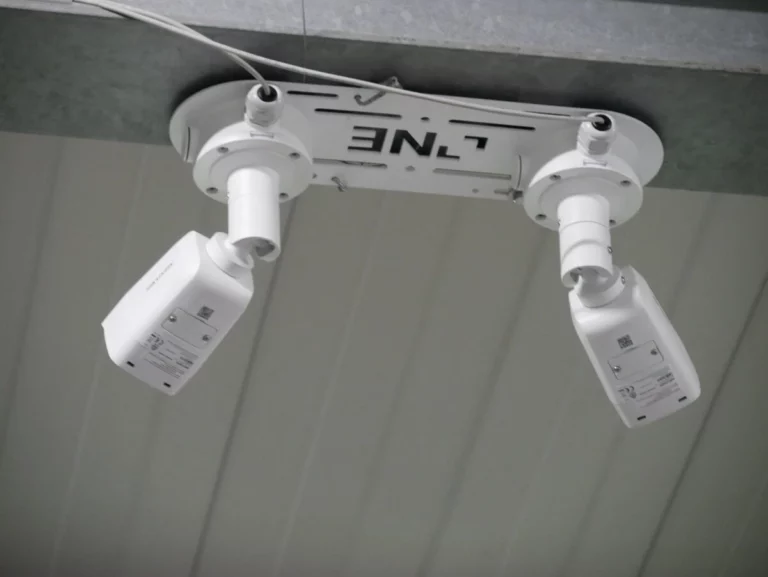
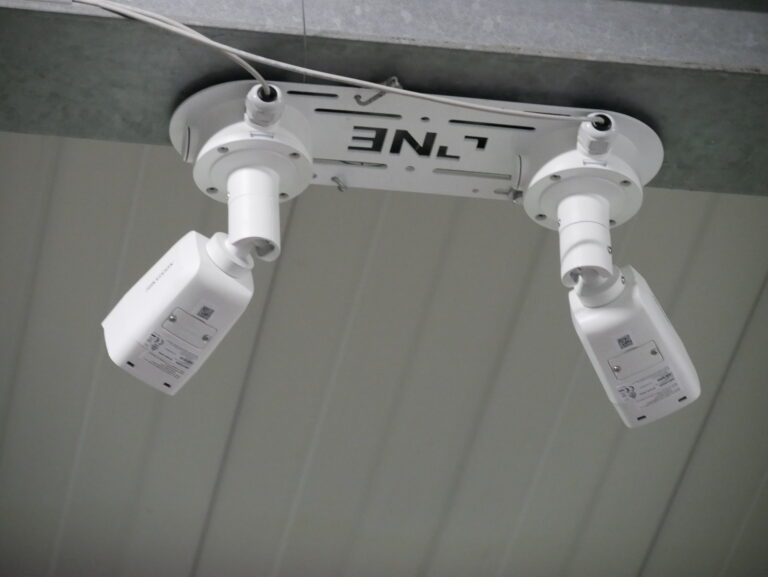
But that is not all! We have a range of more advanced solutions that we would like to highlight here, starting with our CORE package, which includes a mounted camera that is installed directly at your pitch. With its two 4k cameras, zone14 ONE‎ has the potential to elevate your game even further than you could have ever imagined. It is mounted at a single installation point and truly suitable for any pitch with its plug-and-play set-up, versatile mounting options, and 180-degree coverage that ensures that no moments are missed.

Conclusion

Recording football matches really can be as easy as 1, 2, 3 for you. In just five steps, you can make your equipment work for you and be well on your way to Video Analysis once again for a quick overview:

  1. Buying the right equipment
  2. Calibrating the cell phone recording devices
  3. Recording the football match
  4. Managing your files for video analysis
  5. Heading into post-production

As soon as you are ready to continue your journey on an even deeper level, we will be ready for you here at zone14.

Optimize your analysis process

Test zone14 REPLAY for free now

Share on Facebook
Share on Twitter
Share on Linkedin
More related content from zone14
Already have a camera but looking for an affordable analysis platform?

zone14 COACH is the solution

Categories
Spieldaten

Improving football with GPS vest: Performance and Injury Prevention

Contents

Improving football with GPS vest: Performance and Injury Prevention

Modern football has gradually transformed itself into a dynamic sport, demanding the need for technological enhancement when it comes to player development and optimization. One of the most underlying but significant advancements in recent times is the use of GPS vests. 

Originally, the players only wore these vests during training. Sports scientists, coaches and analysts were eager to analyse the recorded data and evaluate the players' performance. Until the 2015/16 season, FIFA did not allow players to use the wearable technology during matches. 

The transition from players wearing the vests on the training pitch to players wearing them during matches was a gradual one. Swansea City were the only team in the Premier League to initially wear the vests in every game. But other teams quickly discovered the benefits. Today, they are an essential part of data collection and a common feature of current football uniform. The coaching staff can use the performance the data collected can be used to objectively assess a player's performance and is no longer dependent on subjective judgements, which can be biased and incorrect. 

But what exactly are GPS vest? Let's take a look.

What are GPS vests used for in Football?

In football, a GPS vest is a wearable device used to measure and monitor several aspects of a player's mobility and physical performance throughout training and matches. They have sensors and GPS devices consisting of advanced algorithms that gather data in real time on several facets of a player's performance. Since the vest normally rests in the space between the shoulder blades, it can properly track movement without getting in the way of the player's movements.

Header on a set piece

Structure and Design:

Vest: Players wear a lightweight, form-fitting vest under their shirts that contains the GPS device. Generally, the vest is constructed from a flexible, breathable material for comfort and mobility.

GPS Unit: Typically, the GPS device is positioned in the space between the shoulder blades to deliver the most precise information without obstructing the player's motions.

How does the Vest Work?

Player Movement Tracking: The main function of a GPS vest is to track the way a player moves on the field. These metrics include distance covered, speed, acceleration, and deceleration. 

Physiological Parameters: The vest also provides an extensive picture of a player’s physical condition. The advanced models can monitor heart rate, body load, and other physiological patterns.

After this important data is collected, it is transmitted into a central system where it can be analyzed by coaches, trainers, and sports scientists, where they put the benefits together.

What are GPS Vests in Football used for?

Performance Analysis: The performance analysis is done by understanding a player’s physical performance, which includes different details such as endurance and distance covered on the pitch. Moreover, other data such as identifying a player’s strengths and weaknesses is also available to coaches. After thorough analysis, coaches can tailor training programs accordingly both tactically and physically. For example, the given data can help with identifying where player’s lacking in their diet as well after training and matches. These statistics also help coaches with scouting, recruiting, and comparison not only with their own progress, but also how they compare with other players. 

Injury Prevention: Injuries are prevented when the backroom staff has the player’s biomechanics. Thanks to the vest, these metrics are easily accessible. Not only does it help with the biomechanics, but it also helps analyze other metrics such as workload and exertion, which assists in detecting signs of fatigue or overtraining. In addition, recovery management is also accommodated as recovery and injury prevention are both connected. Understanding a player’s physical output helps in planning a specialized recovery program catered to each individual, ensuring they are rested for future games, ensuring injury prevention, and maximum output for players.

Tactical Insights: In addition to the physical characteristics that vests provide, the information they provide for tactical insights is important. This is done by gaining insight into a player's positioning and movement patterns. This information allows coaches to recognize tactical nuances and not only plan better, but also make better decisions during the game, which can have a positive impact on both the team and the player.

Immediate Feedback (Depending on the type of vest): There are vests that provide real-time feedback due to the live-tracking abilities. This is usually done through a tablet or smartphone, giving coaches and tacticians immediate access to performance analytics. 

Disadvantages of the GPS Vests:

Although there are several advantages of equipping these GPS football vests, there is one main disadvantage associated with the use of this technology; cost. These football vests can be expensive due to them being of high-quality, especially, when the amount of football vests required is factored into the equation, with most squads consisting of over 25 players, the overall cost could harm many clubs financially. This cost can be detrimental to smaller teams or amateur clubs with limited budgets, who may opt for other solutions when it comes to analysis and catering the money elsewhere in the club. However, there are existing solutions with the technological side of football.

Youth player in a 1-on-1

Using GPS Vests in Football for Youth Teams:

Additionally, there are some glaring problems with using GPS vests in football, especially when used in youth teams, that is if it is appropriate to use them in youth teams. To begin with, collecting and analyzing data at youth level requires time, and most youth team coaches have other responsibilities. They may also not have the knowledge or resources to usefully implement the data generated by these vests.

Young players may also find discomfort in having a vest attached to their body, which could restrict their performance levels, enjoyment of the game, and may even lead them to not participating. This could also then lead to a negative impact on their general development of the game, since self-expression is important to identify yourself as a footballer, especially at a young age. There would be a huge risk in relying on data to find raw talent, which has overseen some magicians, primarily from the South American side of football. 


Maintenance Issues:

Although technology can be a person’s best friend, it can also be its worst enemy. And there are many possible issues that may arise while using these GPS vests. The first inconvenience when using these vests would be their battery life. Making sure that the vests are charged at all times could be a mission. Moreover, since batteries degrade overtime, they would have to be replaced, which would be an additional cost on top of everything else. 

Another burden caused by the GPS vests would be assigning the vests to each respective player. For example, having the right vest for each player every time could cause a human-error, such as the vests being replaced with another player’s vest, which would harm not only the individual itself, but the team as well.

In general, the over-reliance on technology technologyin this case, the GPS vests could be a problem in many ways. Firstly because the technology in these vests requires constant updates, which are necessary for the accuracy of results. Another issue could be with connectivity. Since these vests are usually connected to bluetooth, poor connectivity could lead to inaccurate data.

Alternatives to GPS Vests in Football:

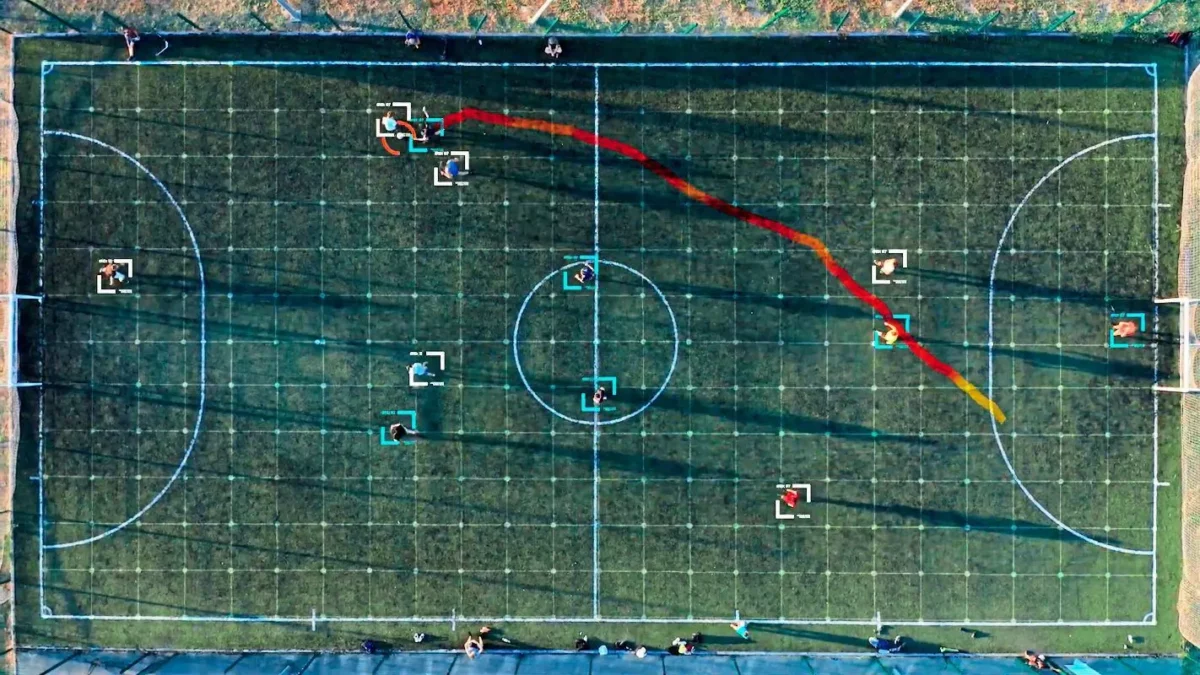
The technology and cameras used by zone14 The technology used and the cameras are an alternative to the expensive GPS vests, which enable positioning in the same way as the vests, but only viaideo. Anstatt ein großes Budget für GPS-Westen zu brauchen, ist es beispielsweise möglich, das teuerste zone14-Paket for less money than it would cost to buy a waistcoat for every single player on a team. To gain meaningful insights, it's important to have both data and video. The usefulness or utility of a sprint can vary depending on context, which can only be seen through video. And although their technology does not currently provide heart rate data, it covers all the other aspects covered by GPS waistcoats. This includes the Heatmaps of the individual players, which also include the number of sprints a player has made and the distance travelled. The player tracking aspect of zone14's AI collects statistics via a sophisticated camera system that allows data to be analysed during and after the game.

The reason why zone14 would be an effective solution for youth teams is because the data provided by zone14 is more on the tactical side. It does track individual data such as the speed of the player, number of sprints made, their heat map, and distance covered, along with analyzing the players with the player-tagging technology. However, the personalized data such as the emphasis on the physiological side will not be included, ensuring safety for youth players.

Maintaining the zone14 technology will not be as big of an issue either because of its simplicity. It is a simple plug-and-play device, with the option to keep in touch with the handlers at all times through WhatsApp. Running into issues such as charging will not be a problem as the camera will only have to be plugged in. Moreover, all of the data captured by zone14 is saved into their web app, where the data is always available to access. 

Conclusion

The integration of GPS vests into modern football represents a significant advancement in player development and optimization. These devices provide comprehensive data on player performance, movement, and physical condition, aiding in performance analysis, injury prevention, and tactical planning. However, their high cost can be a barrier for smaller clubs. Zone14 offers a cost-effective alternative with AI-driven sports analytics, providing similar insights through automated video analysis and player tracking without the need for expensive wearable technology. This makes advanced analytics more accessible to a wider range of football teams.

Football Vests FAQ:

The “sports bras” that are so popular in football are actually GPS or tracking vests that players wear during training and matches. These vests are designed to hold a tiny GPS tracking device that collects various performance indicators.

GPS vests track player movements and physical performance metrics such as distance covered, speed, acceleration, and heart rate to help improve performance and monitor fitness levels.

The vests are lightweight and form-fitting, made from flexible, breathable materials for comfort. The GPS unit is typically positioned between the shoulder blades to track movement accurately without impacting the player's mobility.

They provide detailed data on a player’s endurance, distance covered, speed, and acceleration, helping coaches tailor training programs and identify strengths and weaknesses.

Yes, high-quality GPS vests can be costly, which may be a significant financial burden for smaller or amateur clubs.

While beneficial, they present challenges such as high costs, discomfort for young players, the need for data management expertise, and privacy concerns.

Start your video analysis.

Sign up now for a completely free demo account.

Share on Facebook
Share on Twitter
Share on Linkedin
More related content from zone14
Already have a camera but looking for an affordable analysis platform?

zone14 COACH is the solution

Categories
Spieldaten

Innovation in football through artificial intelligence

Contents

Innovation in football through artificial intelligence

Basics of artificial intelligence (AI)

Artificial intelligence refers to systems or machines that mimic human intelligence to perform tasks and learn from experience. AI applications range from simple processes such as speech recognition to more complex functions such as decision-making in uncertain environments. They are based on algorithms and models that analyse data, recognise patterns and make predictions or decisions on this basis.

Modern interpretation of AI in football

AI in sport: a comprehensive overview

The use of artificial intelligence (AI) in the sports sector is steadily increasing, as it offers enormous advantages in analysing performance, developing strategies and increasing fan engagement. AI technologies enable a more precise and effective evaluation of data, which leads to a significant optimisation of training and competition strategies. Here are some of the most important areas of application in detail.

Performance Analysis

AI algorithms play a crucial role in analysing player data by extracting physical and tactical patterns. These technologies allow coaches to gain deeper insights into each player's performance. For example, machine learning models can identify which actions are most effective in certain match situations and help coaches develop customised training plans based on each player's unique skills and needs.

Injury prevention

By using AI to analyse player movements and match stresses, potential risk factors for injuries can be identified at an early stage. Advanced predictive models and the processing of real-time data enable medical teams to recognise warning signs before serious injuries occur. This leads to the development of preventive measures that are individually tailored to the physical condition and stress limits of the athletes and can thus improve the long-term health and career duration of the athletes.

Fan experiences

AI also plays an important role in personalising the fan experience. By using AI, all matches can be uploaded directly to platforms such as zone14 TV. Fans who can't make it to the stadium can still be there. Highlights, replays and exclusive content can also be customised to increase fan loyalty and engagement.

AI in football stadiums

AI in football: special applications

Advanced application of AI in tactical match analysis

AI tools for tactical match analysis use advanced algorithms to analyse video footage of football matches. They not only recognise tactical patterns and opponent strategies, but also provide valuable insights into moves and formations. These in-depth analyses enable coaches to precisely optimise their match preparation and dynamically adapt their team's tactical alignment to changing conditions during the game. By identifying weaknesses in the opposing team, coaches can give targeted instructions to make their own style of play more effective.

Progress in automated player tracking

Advanced algorithms in automated player tracking enable comprehensive monitoring of player movements on the field without the need for physical tracking sensors. This technology provides a precise analysis of each player's physical performance and game tactics. Coaches and analysts gain detailed insights into players' endurance, speed and overall efficiency, which in turn helps to develop customised training plans and match strategies.

Evolution of scouting through AI

By using AI in scouting, talent can be identified and evaluated more efficiently worldwide. AI analyses large amounts of data from match data and performance statistics to identify potential candidates for professional teams. This approach significantly speeds up the scouting process, making it not only faster and more cost-effective, but also more far-reaching. Scouts can now discover talent in lesser-known regions and leagues, resulting in a more global and diverse talent base.

Development of individual training programmes

Individual training programmes based on detailed data analysis are designed to meet the specific needs of each player. AI systems evaluate players' performance data and physical conditions to create training plans aimed at maximising performance and minimising the risk of injury. Such personalised programmes take into account a variety of factors, including playing position, physical condition and previous injury history, to ensure that each player is optimally supported.

Influence of interactive real-time analyses on tactical decisions

The availability of real-time interactive analytics during a live match is changing the way tactical decisions can be made. Coaches and analysts can access real-time data that is updated during the game and use this information to make immediate strategic adjustments. This ability to react to dynamic game developments can significantly influence the outcome of a match and gives teams a decisive advantage.

Basics of artificial intelligence

Our approach at zone14

zone14's vision is to democratise football through the use of artificial intelligence (AI). We develop advanced analytics tools and marketing solutions to enhance on-field performance while improving the brand presence of football clubs. We're giving you a deeper insight into our technologies, applications and future plans.

These were precisely the topics discussed in the fußballtraining24.de, interview with one of our founders, Lukas Grömer.

‘AI can and should only ever serve as an aid that supports human trainers, but never replaces them.’
Lukas Grömer
Lukas Grömer
Product & Data science

AI-based analysis platforms

Our solution for football clubs consists of a specially developed 180-degree football camera and associated software that does not require any additional hardware such as GPS trackers. REPLAY also gives smaller clubs access to sophisticated technology that has so far mainly been used in the top leagues. Our systems are designed to get the most out of the recorded data - from automatically generated heat maps to detailed player analyses after every game.

Modern real-time analyses of games

The strength of our AI lies in its ability to recognise individual players during the game and follow their actions in detail. Our ‘Follow-Cam’ technology enables seamless monitoring of the game and helps coaches to react better to what is happening and adapt their tactics. These real-time analyses are a game changer for match preparation and follow-up.

Example: Wiener Sportclub

One concrete example of the successful use of our technology is Wiener Sportclub. There, our AI analyses all youth matches and helps the coaches to better support and manage the development of young talent. Our technology makes it possible to use time and financial resources more efficiently and at the same time increase the quality of training and match analyses.

Individualisation and precise data usage

We are continuously working on the further development of our algorithms in order to be able to recognise and analyse even more specific events during the game. In the near future, we want to further develop our AI so that it can create individual training plans based on the collected data in order to specifically improve the fitness and performance of the players. We are also experimenting with the integration of voice processing technologies to optimise communication between coaches and players through automated, data-based feedback systems.

Start your video analysis.

Sign up now for a completely free demo account.

The role of empathy in technological solutions

AI is increasingly being recognised as influential in various fields, including football. Although analysing data and video is crucial for technical assessment, human qualities such as empathy, emotional intelligence and communication skills remain essential in the coaching team. It is essential that the insights gained from the data are communicated effectively and appropriately so that they reach the right people at the right time. Artificial intelligence serves primarily as a support tool that complements, but does not replace, the trainer. This philosophy is deeply rooted in our approach and will continue to play a central role in the future.

New perspectives

The use of AI in sport, and in football in particular, opens up exciting opportunities for coaches, players, clubs and scouts. Whereas in the past it often took hours to fully analyse a game, thanks to AI this is now possible in less than 30 minutes. In addition, tools such as the tactical support for corner kicks developed by Google Deepmind offer a glimpse of future innovations. However, it is crucial that these technologies are used responsibly.

The company zone14 at a training session with AI

Our vision for the future

Our mission at zone14 is to continually push the boundaries of what is possible with technology solutions in sport. We envision a future where every football club - regardless of size or budget - has access to the most advanced analytics tools to help them realise their full potential. We firmly believe that the responsible use of AI and the continuous development of our products will make football fairer, more exciting and more inclusive.

These exciting developments at zone14 show how AI can fundamentally change football by making complex data analyses accessible and helping to support both players and coaches in their development in the best possible way.

Already have a camera but looking for an affordable analysis platform?

zone14 COACH is the solution

Share on Facebook
Share on Twitter
Share on Linkedin
More related content from zone14
Categories
Spieldaten

Euro 2024: The Pinnacle of Technological Advancements in Football

Contents

Euro 2024: The Pinnacle of Technological Advancements in Football

Euro 2024 represents a milestone in the evolution of football, showcasing an unprecedented integration of technology and artificial intelligence (AI) into the sport. From player scouting to fan engagement, technological innovations are reshaping every aspect of the game, offering insights and efficiencies that were once unthinkable. 

This tournament is set to be the most technologically advanced in history, leveraging the power of AI, data analysis, and digital connectivity to enhance the experience for teams, officials, and fans alike. In this article we will look at some of the interesting areas that AI, technology and analysis advancements have been used. 

The use of AI to identify future stars for the England National Team

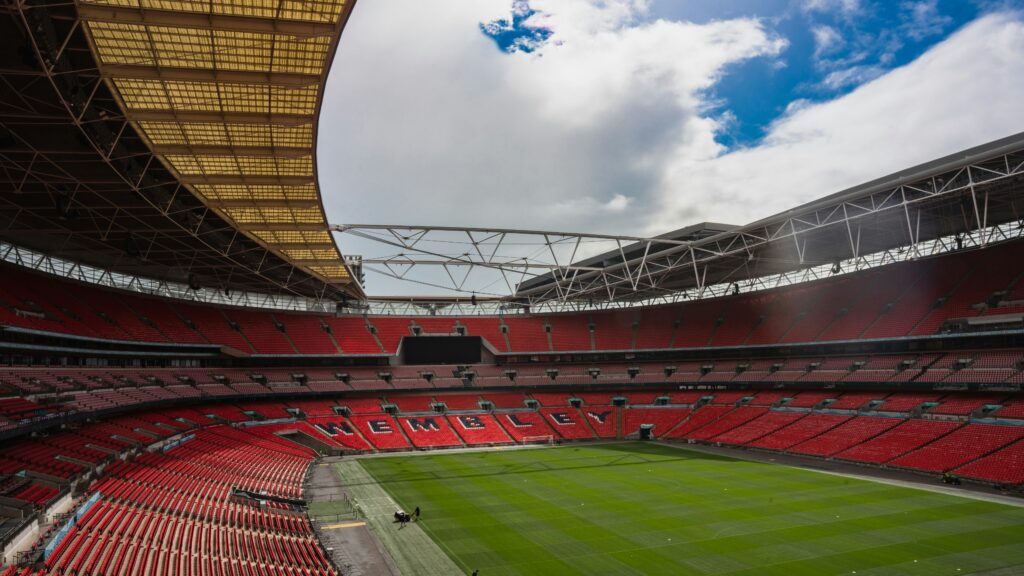
Wembley Stadium, London

At the heart of Euro 2024's technological revolution is the advanced use of AI in scouting and player development. The Football Association (FA) of England, for instance, has partnered with Google Cloud to harness AI for digging deep into player data, providing insights that help in identifying and nurturing the future stars of the team. 

Together Google Cloud and The FA, have been able to harness Google’s Vertex AI machine learning platform to turn historical scouting reports and data collections into shorter, more concise summaries of each player. This allows coaches and scouts to instantly review reports and gain quick overviews of the future English talent. Combining the subjective opinions of different scout’s over periods of time, means more consistent and reliable scouting reports can be produced. 

Whilst this talent identification method is in its early stages of development, the England National Team and The FA are keen to stay ahead, and test all new forms of technology which could be the key to staying ahead of the competition in the years ahead. .

Ball and Player Tracking Technology at Euro 2024

Euro 2024 Official Flag (Zoomed)

Euro 2024 also features technological advancements in the equipment used, particularly the official match ball, which is embedded with sensors. These sensors provide real-time data on the ball's position, speed, and trajectory during the game, offering both teams and broadcasters new layers of analytical data. This information is crucial for understanding the mechanics of shot accuracy, ball distribution, and even the aerodynamics of ball movement under various playing conditions​. 

Ball speed, spin speed and distance travelled are all interesting metrics that fans have been able to view throughout the tournament, all made possible thanks to the ball technology. 

One other noticeable use of the ball technology has been in VAR, particularly in the deciding of potential offside or handball goals. SAOT (Semi Automated Offside Technology), combines the use of sensors inside the ball to detect the exact kick point, with data from ten specialised cameras that are installed around the stadium and are able to track up to 29 different body points on each player. These data sources, combined with the use of AI are able to provide more accurate and quicker decisions to the referees, greatly improving the quality of match officiating in the tournament. 

The match officials are also supported by the sensors of Goal Line Technology to confirm goals, which has been an ever present technology used in top matches across the world since 2016. 

All sources of technology, from the ball sensors, cameras, and goal line technology systems come together in ‘The FTECH’ Hub’ which is the centre of all technological operations in Euro 2024. From there they are distributed to different users.

Enhancing the Euro 2024 Fan Experience through technology

Euro 2024 is transforming the football experience through advanced technologies, emphasising how cloud computing, AI, AR (Augmented Reality), VR (Virtual Reality), and IoT enhance both player performance and viewer engagement. This tournament showcases AI-driven analytics that predict game outcomes and player performance, delivering these insights directly to fans. Cloud technology supports a myriad of applications, from seamless live streaming in augmented and virtual realities to smart ticketing systems that ensure quick and secure access to venues for in-person supporters. 

Additionally the connectivity enabled by 5G networks allows for real-time data sharing and enhanced interactive viewer experiences, promising an unprecedented level of engagement with the game.

In addition to improving the game's immediate aspects, these technologies also promote sustainability within the football ecosystem. For instance, cloud platforms can scale dynamically to handle vast amounts of online traffic during match time, ensuring a smooth experience for users whilst continuing to adhere to robust security standards. This technological evolution not only redefines how fans interact with the sport but also sets a new standard in the digital integration of large-scale sporting events, which is also set to also be seen in the Olympics later this summer.

Authorities using AI for crowd management at Euro 2024

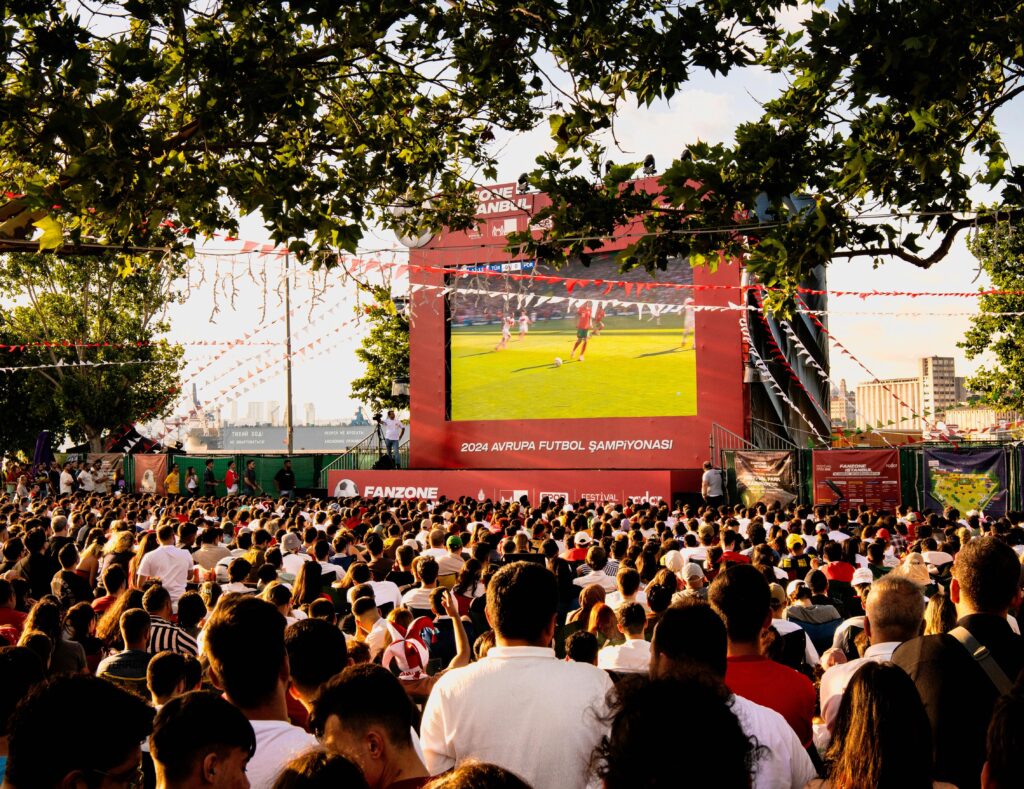
Fan viewing zone watching a match

Another interesting use of technology in this tournament has been by police across Germany who have also played a key role behind the scenes in the organisation of the championships. The German Police have been testing the ‘Escape Pro’ AI software, which works together with existing security cameras that are installed across cities. The AI powered software is able to calculate the number of people leaving and entering designated areas, and provide metrics such as the density of the crowd per square metre, and the flow rate of the crowd. 

With this data, it can be monitored and early action can be taken in the event of overcrowding or an emergency. The software is able to simulate and support planning for evacuations plans in the event of emergencies. Whilst this software is also in its early stages of development, the use of it across Euro 2024 has been able to provide important experience and knowledge for future development and use in other major sporting events across the world.

Advanced data continues to support UEFA technical observers

UEFA's technical observers provide an important role as qualified coaches who produce in-depth analytical reports on every match at Euro 2024. Technology is becoming increasingly used to enhance their ability to analyse games and make decisions on player of the match, and tournament awards.

Their insights have been able to become increasingly more objective and accurate in Euro 2024 thanks to the increased availability of state of the art visualisation tools which support their video analysis and also more in-depth than ever seen player statistics. 

Video analysis: the hidden gem in match preparation at the top level

A great example of the importance of video analysis was seen in England’s penalty shoot out with Switzerland in the quarter final of this year's tournament. Thanks to video analysis, the coaching team of England were able to look over previous penalties taken by the Swiss players and prepare a guide for Jordan Pickford on which direction each player was likely to shoot. This provided a big helping hand to Pickford, who was able to stop Manuel Ajanji’s shot providing a clear example of many victories in this year's tournament thanks to technology.

Modern form of data collection at football matches

Conclusion

Euro 2024 is a testament to how deeply technology is woven into the fabric of modern football. With each tournament, the integration of technology becomes more profound, influencing all aspects of the game from tactical planning to spectatorship. This year's event not only sets a new benchmark for how football is played and viewed but also points toward future possibilities where technology and sports continue to combine, enhancing the beautiful game in ways we are only just beginning to explore.

Start your video analysis.

Sign up now for a completely free demo account.

Share on Facebook
Share on Twitter
Share on Linkedin
More related content from zone14
Already have a camera but looking for an affordable analysis platform?

zone14 COACH is the solution

Categories
Spieldaten

The futuristic world of video analysis in football

Contents

The futuristic world of video analysis in football

Inspiration: Masterclass

Recently, in our zone14 Masterclass Vol. II we had the honor of hosting Dr. Roland Leser, who presented on the use of video analysis and advanced analysis technologies in soccer.

Roland Leser was instrumental in the birth of video analysis in football and it is certainly thanks to him that analysts are now an integral part of the coaching staff.

A key point of discussion was the use of video analysis systems, which can analyse plays in detail and generate a wealth of data. This information is invaluable to coaches and players alike, supporting strategic planning and performance assessment.

The masterclass also highlighted the use of technologies such as machine learning and artificial intelligence. These methods improve the efficiency of data analysis, help predict player development and assist in talent identification. The technology was presented as a useful tool to improve match analysis.

It became clear that the integration of these technologies into football is broadening the understanding and interpretation of the game and offering new opportunities for optimisation. We are still at the beginning of this technological development in sport.

Videoanalysis in the present

Thought experiment

Let's imagine a future in which football technology has reached an unprecedented level of development. The boundaries between man and machine, reality and simulation are blurred, leading to radical changes in the way football is played, watched and experienced. Here are some speculative and cutting-edge possibilities of what this future might look like:

1. AI coaches and tactical support systems

In an advanced technological age, artificial intelligences could not only act as assistants, but also as head coaches; these AI systems could be able to derive optimal match strategies in real time from extensive historical databases and communicate them directly to players via smart wearables or implants.

2. Fully automated refereeing

Technological developments could lead to human referees being completely replaced by automated systems, consisting of a combination of drones that monitor the pitch from all sides and ground sensors that register every movement. Decisions could be made in fractions of a second with near-perfect accuracy.

3. Holographic fan interaction

Advanced holographic technology could allow fans to watch matches from any perspective. This technology could make it possible to stand virtually next to the players or watch the game from a player's perspective. It could also enable virtual encounters between players and fans.

4 Virtual reality and simulated matches

Football matches could take place in fully simulated environments, where infinite scenarios and match outcomes are generated by algorithms. Fans will be able to manage teams in these virtual leagues and compete against other teams, whether human or AI-controlled opponents.

5. Ethical and social challenges

As technology advances in sport, ethical and social challenges may increase. Issues of fairness and access to technology could lead to a divide between richer and poorer clubs and leagues. Global regulations may be needed to ensure fairness and equality of opportunity.

State-of-the-art analysis from the future

Preserving the soccer culture

These futuristic scenarios paint a picture of a world in which soccer is more than just a game. It becomes a high-tech event that combines sport, science and entertainment and goes far beyond our current ideas.

Ultimately, the path we take will depend on whether we understand how technology can enrich the game without losing its soul. Even in a future dominated by technology, soccer must retain its essence: the sporting competition, the human performance and the fans' deep connection to the game.

As frightening as the future of soccer may seem at first glance, this thought experiment is still a long way from reality.

Preserving soccer culture, a picture from the past

Technology of today - for tomorrow

But if you don't want to wait for the future, there are innovative technologies that are already paving the way today. The video analysis system from zone14 uses high resolution uses high-resolution cameras um tiefgehende Analysen von Spielsituationen zu ermöglichen. Dies geht weit über die Möglichkeiten herkömmlicher Analysemethoden hinaus. Mit dem System können Mannschaften die Positionierung, die Bewegungen und die taktischen Entscheidungen der Spieler und des gesamten Teams genau verfolgen und auswerten.

Das Besondere an zone14 ist die Fähigkeit, nicht nur rückblickende Datenanalysen zu liefern, sondern auch Echtzeit-Feedback. So können Trainer ihre Strategien direkt während des Spiels anpassen. Diese Art der Analyse hilft nicht nur, das Training effektiver zu gestalten, sondern auch die Leistung der Spieler in den entscheidenden Momenten zu maximieren.

In contrast to the visionary technologies of the future, we already offer a practical and efficient solution today. It uses modern technology to improve performance and strategic understanding in soccer. So while we wait for the technologically enhanced future of soccer, zone14 already provides a solid foundation for teams to improve their tactical skills and understanding of the game.

If you are still looking for someone to look into the future with you, you can find out more about “STATS” ‎‎‎‏‏‎ ‎and “REPLAY” to find out more. Or you can simply contact us directly.

You don't have to be afraid of the future if you have it in your own hands.

A team that won with the help of video analysis
Share on Facebook
Share on Twitter
Share on Linkedin
More related content from zone14
Categories
Spieldaten

Brighton & Hove Albion: The modern age of football

Contents

Brighton & Hove Albion: The modern age of football

Brighton & Hove Albion (Brighton for short) has grown from a club that long played in England's lower leagues to a permanent fixture in the Premier League. This impressive rise is the result of a careful integration of high-tech video analysis, artificial intelligence and a particularly sophisticated scouting system that sets the club apart from its competitors.

Brighton has taken a number of strategic measures to secure its current success in the Premier League. These range from improving infrastructure, coaching and management to promoting a strong club culture.

Building blocks of success

1. Investments in stadium and training facilities

Brighton has invested heavily in its infrastructure. The American Express Community Stadium, which has been home to the club since 2011, has been continuously modernised to improve the spectator experience and create better facilities for the players. The Elite Football Performance Centre has also been expanded and is one of the most modern training facilities in England, offering players excellent conditions for their development.

2. Prudent financial management

Despite having fewer financial resources compared to the biggest clubs in the league, Brighton has managed to achieve sustainability through clever financial management and targeted investment in player transfers and infrastructure. The club has focussed on finding and developing talent that can be sold at a higher market value, generating additional revenue.

3. Strong focus on the coaching staff

Brighton has always placed great emphasis on attracting highly qualified coaches and technical staff. The appointment of Graham Potter as coach for 2019 was an important move as he is known for his progressive playing philosophy and innovative approach. Potter and his team have improved the team's tactical flexibility and playing performance, which has led to more consistent performances in the league.

4. Creation of an integrative club culture

Another important aspect of Brighton's strategy is to create a strong and inclusive club culture. This culture not only encourages the integration of players from different backgrounds, but also improves overall morale and engagement within the team. Brighton places great emphasis on community involvement and works closely with local organisations and fans to establish the club as an integral part of the local community.

5. Sustainable player development and youth development

Brighton has also invested in the youth academy and the development of young talent. The club has a clear strategy of nurturing young players and integrating them through the ranks into the first team. This not only helps to reduce the cost of expensive transfers, but also helps to retain players at the club in the long term.

6. International expansion and branding

Finally, Brighton has also taken steps to expand internationally and strengthen its global brand. These include strategic partnerships, international pre-season tours and social media campaigns to expand the international fan base and tap into additional revenue streams.

Brighton's cutting-edge analysis

The most important factors for financial advancement

Revolution through video analysis and artificial intelligence

As previously mentioned, Brighton has revolutionised its match analysis and training methods through the use of cutting-edge technology. The combination of detailed video analysis and AI-based data processing allows the coaching staff to optimise individual and team strategies with unprecedented precision. These technological tools make it possible to better understand player performance and make more precise decisions based on this.

Data-based player acquisition

Brighton has developed its own evaluation system that uses extensive data analyses to accurately assess the skills and potential of players. The system not only assesses technical ability and match performance, but also takes into account psychological factors and adaptability. The AI supports the system by extracting patterns and trends from a database of football matches around the world, allowing scouts to spot talent that may have been overlooked by other teams.

Successful scouting

The effectiveness of Brighton's scouting system is reflected in some remarkable transfers that have not only been successful on the pitch, but have also brought in a considerable financial profit. Players such as Yves Bissouma and Ben White were bought for relatively little money and sold for many times more after their development. These transfers show how Brighton were able to create significant value through intelligent scouting and the development of players within their own system.

A picture of a state-of-the-art training centre

Example: Moises Caicedo

Moises Caicedo, a midfielder from Ecuador, has undergone a remarkable development since joining Brighton & Hove Albion in early 2021 before moving to Chelsea FC for a record fee in 2023. Here is a detailed overview of his career:

Arrival in Brighton

Brighton & Hove Albion signed Moises Caicedo in January 2021 for around £4.5 million from Independiente del Valle, a club known for its excellent youth work in Ecuador. Caicedo has already caused a stir in the Ecuadorian league and national team, where he is regarded as a dynamic and technically skilful midfielder.

Integration and customisation

After his arrival in England, Caicedo had to get used to the physical and tactical demands of the Premier League. His first few months at Brighton were a time of learning and adaptation, both on and off the pitch. Despite limited playing time in his first season, Caicedo worked hard on his fitness and understanding of English football.

Breakthrough and performance

In the 2022/2023 season, Caicedo established himself as a key player in Brighton's midfield. His impressive performances, which are a combination of excellent passing, tactical understanding and physical presence, made him one of the league's most exciting young talents. His influence on Brighton's game helped the club to consistent performances and a place in the top half of the table.

Interest from top clubs and move to Chelsea

Due to his outstanding performances, Caicedo attracted the interest of several top clubs, including Chelsea. In the summer of 2023, Chelsea secured the midfielder's services for a transfer fee of £115 million, which set a record for a sale by Brighton. This transfer underlined Caicedo's enormous rise and his value on the international transfer market.

Importance of the transfer

The sale of Caicedo for such a large sum was not only a financial gain for Brighton, but also a testament to the effectiveness of their scouting and development programme. The club had managed to turn a relatively unknown talent into one of the most sought-after players in Europe. This success underlines Brighton's reputation as a club capable of developing young players and making them competitive at the highest level.

Caicedo's move to Chelsea FC marks the pinnacle of his development and Brighton's successful approach, which has the potential to shape the club in the long term.

Futuristic presentation of the medical departments

A look into the future

The future looks bright for Brighton as the club continues to invest in its analytical capabilities and scouting network. The integration of real-time data analysis during matches and further refinement of the AI system could help Brighton further improve its performance and cement its position in the top half of the Premier League, but the challenges remain significant. To remain competitive in the dynamic environment of the Premier League, Brighton must constantly refine and adapt its methods. Investment in the youth academy and modern player analysis are just as important as the continuous development of the club's infrastructural and technological resources.

It is important that Brighton maintains a clear identity and philosophy that characterises the club on and off the pitch. The connection with the local community and fans must be strengthened to ensure continued support and identification with the club. This will not only help to secure a loyal fan base, but also position the Brighton brand more strongly internationally.

A picture of an ultra-modern lounge area

Conclusion

Brighton have shown how strategic management, innovative scouting methods and effective player development can be combined to achieve considerable success in one of the toughest football leagues in the world. The case of Moises Caicedo clearly demonstrates how Brighton can identify, nurture and ultimately sell talent at a significant profit. This ability to develop players and sell them at top prices is a key pillar of Brighton's business model, making the club not only sustainable in sporting terms but also financially.

At a time when financial strength often determines sporting success, Brighton is showing that smart planning and sustainable development can also be routes to success. By continually improving its scouting network and utilising advanced technology to assess and develop players, Brighton has shown that it is possible to compete with the more financially strong teams while remaining healthy and progressive.

With perseverance, innovation and a clear focus on long-term strategies, the club can not only maintain its position in the Premier League, but continue to build on it in the future. The story of Moises Caicedo may be just one chapter in Brighton's recent history, but it is a clear example of the effectiveness of the methods that have made Brighton a model club for modern football management.

Share on Facebook
Share on Twitter
Share on Linkedin
More related content from zone14
Categories
Spieldaten

Improving performance through running statistics in football

Contents

Subscribe to our email list for news and updates

Improving performance through running statistics in football

In modern football, leveraging technology and data isn't just a trend. It's now a necessity for teams to keep up with those around them and elevate their performance.

While GPS devices have traditionally been the tool of choice for tracking player movements and fitness levels, a new player has emerged on the scene: zone14 STATS By utilising cameras and artificial intelligence, zone14 STATS offers a cost-effective alternative to GPS devices, providing coaches with detailed running stats that can revolutionise training and tactical decision-making.

The Significance of Running Stats in Football

In football coaching and analysis, fine margins matter. Making use of running statistics can be a key contributor to success and team performance. Metrics like distance covered, high-intensity runs, and sprints offer invaluable insights into player fitness, game impact, and overall team effectiveness.

Player Fitness and Performance Optimisation

Through thorough analysis of running stats, coaches can carefully monitor and enhance player fitness levels. Tailoring fitness programs and training sessions to mirror the demands of match play ensures that players can maintain peak performance levels which is a critical requirement in the intense environment of competitive football.

Strategic Insights from Running Distance

The total distance covered by a player throughout a match provides valuable intel on their work rate and positioning. Coaches can leverage this data to fine-tune team tactics, ensuring players are playing in roles that capitalise on their strengths and endurance. Total distance data can again be used to adjust player fitness programs - for example perhaps there is a player in your team who’s workrate significantly decreases at certain points in the match - this can then be worked into their individual training plan that they need to work on stamina.

Unleashing the Power of High-Intensity Running

High-intensity running metrics showcase both team and individual players ability to execute quick bursts of speed, which are key in both attacking and defending manoeuvres. Armed with this information, coaches can design training sessions aimed at enhancing explosive power and recovery speed which are both essential skills in the fast-paced game of modern football.

Whilst high intensity runs only make up for an approximate 10% of total distance covered in a match, which may appear a small percentage at first glance, these runs often occur in key scenarios in the match which means they must be used wisely and effectively. As well as looking at high intensity runs from a numerical perspective, it is also important to map them in which area of the pitch they occur or link them to video to identify their effectiveness. This is now possible thanks to zone14 STATS.

Why is speed important?

Not only is data on distance covered, and high intensity runs important. Sprinting has been identified as the most common activity that leads to goals. Depending on your tactical set up and build up play, it is important the quickest players are played in the positions where scoring opportunities are most likely to be created from. This is why it is always key to keep track of individual players' top speed capabilities. On the other hand too, in defensive situations you always want to ensure the right players are positioned to defend against fast counter-attacks of the opposition.

Injury Prevention and Management

Another key part in managing the relentless number of games in the modern game is having an effective injury prevention process. By utilising running stats, teams can proactively identify potential injury risks by monitoring player fatigue and stress levels. This proactive approach to player health management can significantly reduce injury rates, ensuring key players are available for crucial matches.

Real-Time Tactical Adaptations

With real-time access to running stats, coaches gain the ability to make informed tactical decisions during matches. Players who are struggling for fitness can be identified and substituted. This agility in strategy also allows teams to identify and exploit opponents' physical weaknesses and capitalise on their own strengths as the game unfolds.

zone14 STATS: Revolutionising Football Analytics for clubs of all levels.

Traditionally, capturing such detailed insights required the use of individual GPS tracking vests or devices which are yet another expensive investment for clubs, particularly for those at lower levels of the game.

However, by seamlessly integrating zone14 STATS into existing football analysis cameras, analysis of running statistics has become more accessible and comprehensive for teams and, as mentioned, you no longer just get purely numerical numbers – runs and numbers can be put into context through video.

You can find out more on the capabilities of zone14 STATS here.

Do you want to join the footballing revolution and elevate your team through analysis and data? Get in contact with our team, who can provide you with more information on our product and a personalised offer.

Share on Facebook
Share on Twitter
Share on Linkedin
More related content from zone14
Categories
Spieldaten

Action Heatmaps in Football: Unlocking Data Visualisations for Video Analysis

Contents

Action Heatmaps in Football: Unlocking Data Visualisations for Video Analysis

When it comes to analysing the performance of football teams and players, having access to comprehensive data is essential. One powerful tool that has revolutionised the way we understand the game is action heatmaps. These visual representations provide a detailed overview of player movement, highlight areas of heavy activity, and reveal tactical patterns. In this blog post, we will explore what action heatmaps are and discuss their use cases in the world of soccer video analysis.

What are Action Heatmaps?

Action heatmaps are graphical representations that display the frequency of events or actions within a specific area/areas of a football pitch. They use colours to map the intensity of activity, with hotter colours (such as red or orange) indicating high frequency and cooler colours (such as blue or green) representing lower frequency. By visualising the spatial distribution of actions, heatmaps provide valuable insights into team dynamics, player positioning, strategies, and overall performance.

The origin of heat maps in football

The beginnings of heat maps in football were rudimentary, with simple visualisations that merely tracked the positions of players. However, technological leaps and methodological innovations have turned heat maps into an indispensable tool for analysing sport. In the past, they were mainly used for simple observation, but today, thanks to the latest technologies, they enable detailed analysis of match behaviour, tactical positioning and game dynamics.

Technological progress

In recent years, heatmaps have evolved enormously thanks to technological advances. The integration of artificial intelligence and machine learning has led to these tools becoming increasingly complex. They have moved from static images to dynamic, predictive models that make it possible to gain even deeper insights from the collected data. This rapid development illustrates the enormous progress that heatmaps have made in the field of sports analysis.

Use Cases of Heatmaps in Football

Player Movement and Positioning Analysis

Action heatmaps allow coaches and analysts to evaluate player movement and positioning during a match. By analysing the distribution of actions across the pitch, they can identify the areas where players are most active, understand their preferred positions, and assess their overall contribution to the team. This information can be used to optimise player roles, make tactical adjustments, and enhance team performance.

Tactical Analysis and Strategy Development

Heatmaps help teams and coaches gain a better understanding of their opponents' tactics and playing style. By analysing the frequency and distribution of actions, they can identify the areas on the pitch that their opposition is targeting or leaving vulnerable. This knowledge enables teams to devise strategies to exploit weaknesses or counter opponents' strengths. On the other hand, frequent actions of the coach's own team can be identified to find areas of overload which are effective or ineffective.

Performance Evaluation and Player Development

Action heatmaps provide a visual representation of an individual player's involvement in different areas of the pitch. They can be utilised to assess a player's performance, identify areas for improvement, and track progress over time. For example, a striker's heatmap may reveal whether they are consistently positioned to receive balls in dangerous areas or if they tend to drift away from scoring positions.

Team Chemistry and Coordination

By analysing action heatmaps of the entire team, coaches can assess the coordination and chemistry between players. They can identify patterns, relationships, and areas of overlap in terms of player positioning and interactions. This analysis helps teams improve their collective decision-making, build better partnerships, and enhance overall team performance.

Fan Engagement and Visual Communication

Action heatmaps are not just restricted to the teams and coaches; they also play a crucial role in engaging fans and conveying information visually. Heatmaps can be used in post-match analysis, halftime reports, and even television broadcasts at higher levels to illustrate key moments, highlight individual performances, or explain tactical decisions. They make complex data more accessible and add a visually appealing element to football analysis.

Injury Prevention and Fitness Analysis

Heatmaps can also be utilised to analyse the physical demands placed on players and help with injury prevention. By tracking the intensity of player actions in different areas of the pitch, coaches and fitness trainers can identify high-risk zones where players may be more prone to injuries due to excessive exertion. Heatmap analysis can highlight areas of the pitch where players have a high frequency of sprints or other intense movements. This information can guide training programs and help design specific conditioning drills to target those areas, reducing the risk of injuries and improving overall player fitness. Additionally, heatmaps can be helpful in monitoring and managing the workload of players during matches and training sessions, ensuring that they are not overexerted and reducing the risk of fatigue-related injuries.

Heatmaps through your football camera with zone14 STATS

Heatmaps by zone14 (Zoomed)

Introduced as part of zone14 STATS version 0.3, the newest addition to our football analysis tools designed to revolutionise performance evaluation for all clubs. Now, in addition to our powerful numerical fitness insights, we have announced the integration of action heatmaps into zone14 REPLAY . This feature allows our users to access comprehensive and visually appealing heatmaps that highlight player movement and tactical patterns with just a few clicks. With the zone14 ONE camera system‎ capturing every moment on the pitch, we've made it easier than ever for grassroots and amateur teams to leverage the power of action heatmaps in their football video analysis. Discover a whole new level of understanding and enhance your team's performance with zone14 STATS, making advanced video analysis possible for teams of all levels!

Integration of artificial intelligence

The use of artificial intelligence (AI) and machine learning in football video analysis can significantly improve the effectiveness of heatmaps. AI algorithms are able to recognise complex patterns and trends in heatmaps that are difficult for human analysts to identify. They can automatically recognise game strategies, movement patterns or individual player preferences.

Algorithms analyse heatmaps in real time during the game. They can continuously extract data from the flow of the game and immediately provide relevant insights that allow coaches to make quick tactical adjustments.

In addition, these algorithms analyse heatmaps in real time during the game. They can continuously extract data from the flow of the game and immediately provide relevant insights that allow coaches to make quick tactical adjustments.

The potential of Heatmaps

By analysing the heatmap data and other relevant information about the players, AI systems could also provide personalised training, tactical and positional recommendations. These recommendations would promote the individual development of players and improve the team as a whole.

AI models could make advanced predictions based on historical data and heatmap analyses. They would help coaches make informed decisions by predicting how effectively tactical decisions could impact the game or which players would be most effective in certain positions.

The integration of AI into football video analysis would make heatmaps a powerful tool that not only visualises data, but also enables complex analysis and decision-making. Coaches and analysts could develop a deeper understanding of the game and optimise the performance of their teams.

Conclusion

Action heatmaps have emerged as a powerful tool in the world of football analysis. By providing a visual representation of player movements and actions on the pitch, they unlock valuable insights, aid tactical decision-making, and enhance team performance. From analysing player positioning and coordination to developing strategies and engaging fans, action heatmaps have revolutionised the way we can understand and analyse football. Want to bring heatmaps to your team with zone14? Book a call here with our expert team.

Share on Facebook
Share on Twitter
Share on Linkedin
More related content from zone14
Categories
Video Analysis

Improve your analyses: The tagging board from zone14

Contents

Improve your analyses: The tagging board from zone14

In the fast-paced world of football, every moment counts. Whether it's a goal, a crucial save, or a perfectly executed set piece, these moments can be game-changers. As a coach or analyst, dissecting these moments is vital for improving team performance. That's where an effective tagging board comes into play, transforming the way you approach football analysis.

Why is an effective tagging board essential?

View of a match on zone14 REPLAY with tagging board

Shortens Post-Match Analysis Time:

One of the most significant advantages of using a tagging board in your football filming and analysis routine is the time it saves during post-match analysis. Rewatching an entire football match repeatedly can be time-consuming. A tagging board allows you to skip to specific moments of interest, making your analysis more efficient and targeted.

Easy Retrieval of Analytical Moments:

With a tagging board, you can effortlessly find and remember the moments you want to analyse later. This ensures that no critical play or event is overlooked, contributing to a considerably more comprehensive understanding of your team's performance.

Enhances Presentation of Analysis to the Team:

When it comes to presenting insights and analysis to your team, a tagging board makes the process quicker and more accessible. You can showcase key moments, strategies, and areas for improvement in a structured and organised manner.

Introducing zone14's Tagging Board Solution

The Basics:

zone14's tagging board solution takes football analysis to a whole new level. It offers a user-friendly and completely customisable platform that caters to the unique needs of coaches and analysts at all levels of the game.

1. Complete Customisation:

zone14's tagging board allows you to add your own tags, ensuring that you can categorise moments precisely according to your tactical analysis requirements. Whether it's goals, free-kicks, corners, or any other event you wish to analyse, the tagging board can be tailored to your specific needs.

2. Multiple Tagging Boards:

As part of our recent Fall of Features updates, with zone14 it is now possible for users to create multiple tagging boards. This means that different coaches or staff members can tag different moments simultaneously, enhancing collaboration and efficiency in the analysis process.

3. Live Tagging Feature:

Thanks to zone14's innovative approach, you are not limited to sorting through and tagging events post match. You can tag ‘live’ throughout the match on any device. This live tagging feature is a game-changer, allowing you to capture and remember all critical moments as they unfold.

4. Organise and Download:

The ability to organise tagged moments into customisable playlists provides a structured way to review and share insights. Additionally, zone14 enables users to easily download clips of tagged moments, facilitating seamless integration into presentations and further post-match analysis.

5. Timeline for Context:

The tagged moments are saved on a timeline, offering a chronological overview of when specific situations occurred during the match. This feature aids in understanding the flow of the game and provides greater context to the clips you are analysing.

6. Half-Time Analysis with Live Package:

For coaches who want to make real-time analysis, the zone14 LIVE package goes hand in hand with live tagging. You can tag moments through the first half meaning that at halftime, you can quickly find, analyse and present situations or clips to your team, allowing for more informed and strategic planning for the second half.

Setting Up Your zone14 Tagging Board:

1. Decide Which Moments Are Important:

Before diving into the setup process, identify the key moments you want to rewatch during your analysis. Whether it's goals, set pieces, or specific player movements, having a clear vision enhances the effectiveness of your analysis.

2. Build Your Tagging Board:

Accessing the Interface: Log into zone14 REPLAY and navigate to one of your match recordings to access and customise your tagging board(s).

Adding Custom Tags: When viewing your match, you will see on the right side of the screen your tagging board. Through the drop down menu on the right you can view your current tagging board and select which one you wish to use or edit. To add a new ‘tag’ simply press the button at the bottom of your chosen board, from there you can name it, colour code it, add your hotkey and even select the clip duration of the ‘tagged’ clip.

Hotkey Integration: zone14 enhances speed with hotkey integration. Assign specific hotkeys to frequently used tags, streamlining the tagging process on your computer or laptop device.

3. Real-Time Tagging and Analysis:

Screenshot 2023-09-18 at 11.29.47

Live Tagging on Mobile Devices: Available with all pricing packages, simply access zone14 REPLAY on your chosen device and tag moments as the match goes on.

Half-Time Insights: Utilise zone14's live package to tag moments and analyse them at half-time or throughout the match. Or even have your ‘Remote Analyst’ take care of this for you!

4. Organising Your Analysis:

Customisable Playlists: Create playlists and simply drag your chosen tags into the playlist to organise them effectively. 

Downloading Tagged Clips Download clips of tagged moments effortlessly, facilitating integration into presentations or sending to your players/fellow coaches directly.

All in all, zone14's tagging board solution is a comprehensive and user-friendly tool that revolutionises the football analysis process. From customisation and collaboration to live tagging and halftime analysis, this platform is designed to meet the evolving needs of football coaches and analysts. Elevate your football analysis with zone14 and stay ahead of the game.

Share on Facebook
Share on Twitter
Share on Linkedin
More related content from zone14