GPS Tracker Vests in Football: Better Performance, Fewer Injuries
GPS tracker vests record movement and body data to improve performance and prevent injuries. How they work – and why video tracking is a cheaper alternative.
Contents5 sections
Modern football has gradually transformed itself into a dynamic sport, one that demands technological support in developing and optimising players. One of the most fundamental and significant advancements in recent times is the use of GPS vests.
Originally, the players only wore these vests during training. Sports scientists, coaches and analysts were eager to analyse the recorded data and evaluate the players’ performance. Until the 2015/16 season, FIFA did not allow players to use the wearable technology during matches.
The transition from players wearing the vests on the training pitch to players wearing them during matches was a gradual one. Swansea City were the only team in the Premier League to initially wear the vests in every game. But other teams quickly discovered the benefits. Today, they are an essential part of data collection and a common feature of today’s football kit. The coaching staff use the data collected to objectively assess a player’s performance and no longer depend on subjective judgements, which can be biased and incorrect.
But what exactly are GPS vests? Let’s take a look.
What are GPS vests used for in football?
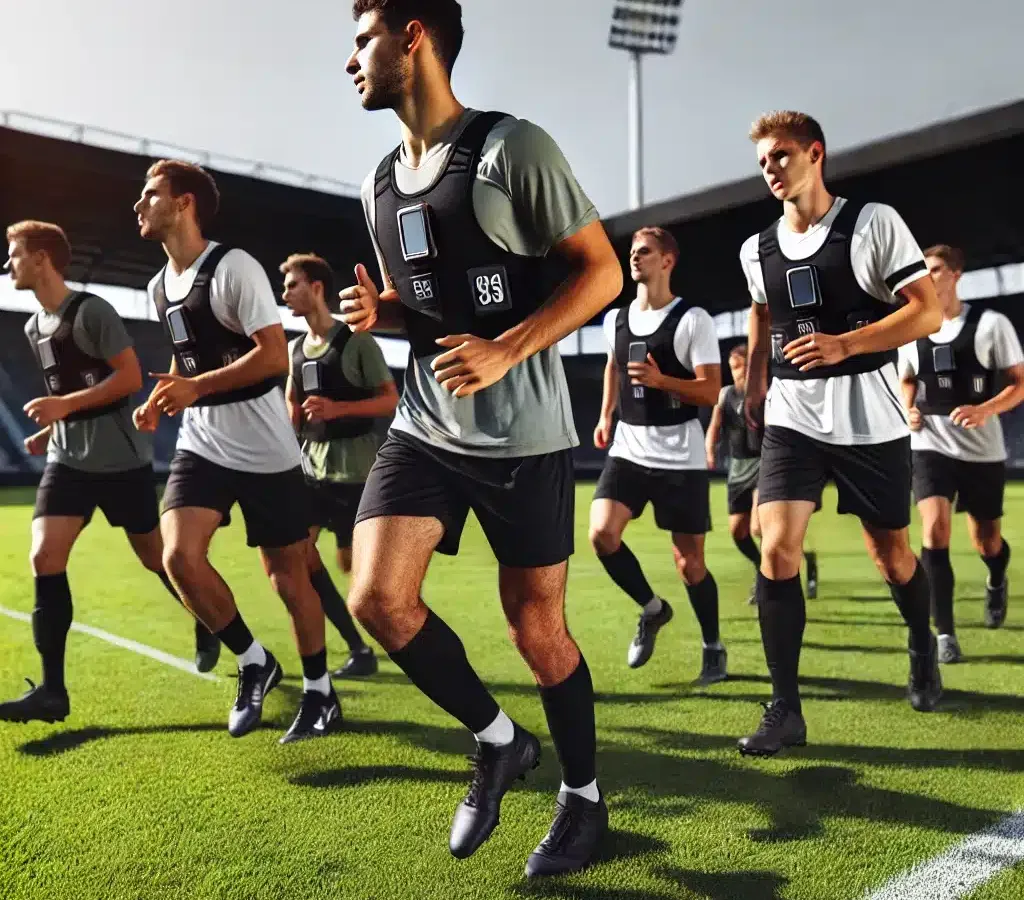
In football, a GPS vest is a wearable device used to measure and monitor several aspects of a player’s mobility and physical performance throughout training and matches. The vest contains sensors and a GPS device with advanced algorithms that gather data in real time on several facets of a player’s performance. Since the vest normally rests in the space between the shoulder blades, it can properly track movement without getting in the way of the player’s movements.

Structure and design
Vest: Players wear a lightweight, form-fitting vest under their shirts that contains the GPS device. Generally, the vest is constructed from a flexible, breathable material for comfort and mobility.
GPS Unit: Typically, the GPS device is positioned in the space between the shoulder blades to deliver the most precise information without obstructing the player’s motions.
How does the vest work?
Player Movement Tracking: The main function of a GPS vest is to track the way a player moves on the field. These metrics include distance covered, speed, acceleration, and deceleration.
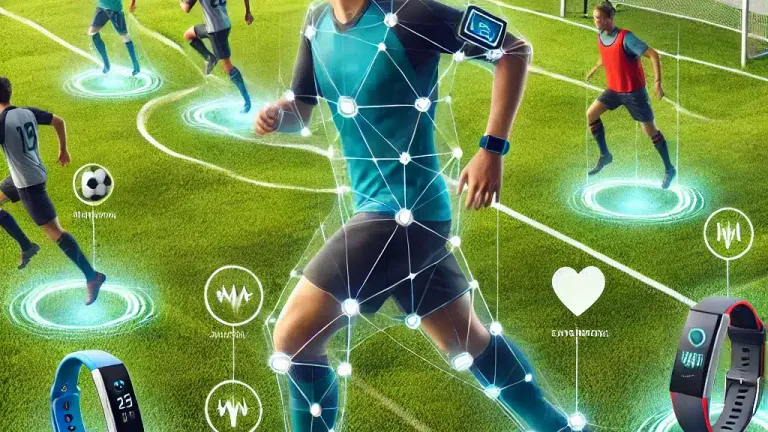
Physiological Parameters: The vest also provides an extensive picture of a player’s physical condition. The advanced models can monitor heart rate, body load, and other physiological patterns.
This important data is transmitted to a central system, where coaches, fitness coaches and sports scientists analyse it.
What are GPS vests in football used for?
Performance Analysis: The performance analysis is done by understanding a player’s physical performance, which includes different details such as endurance and distance covered on the pitch. Coaches also get further data that helps them identify a player’s strengths and weaknesses. After thorough analysis, they can tailor training programmes accordingly, both tactically and physically. For example, the data can reveal where a player’s diet is lacking after training and matches. These statistics also help coaches with scouting, recruiting, and comparison not only with their own progress, but also how they compare with other players.
Injury Prevention: Injuries can be prevented when the backroom staff know the player’s biomechanical data. Thanks to the vest, these metrics are easily accessible. Not only does it help with the biomechanics, but it also helps analyse other metrics such as workload and exertion, which assists in detecting signs of fatigue or overtraining. In addition, recovery management is also accommodated as recovery and injury prevention are both connected. Understanding a player’s physical output helps in planning a recovery programme for each individual, so that players are rested for future games, avoid injuries and reach their maximum output.
Tactical Insights: In addition to the physical characteristics that vests provide, the information they provide for tactical insights is important. This is done by gaining insight into a player’s positioning and movement patterns. This information allows coaches to recognise tactical nuances and not only plan better, but also make better decisions during the game, which can have a positive impact on both the team and the player.
Immediate feedback (depending on the type of vest): There are vests that provide real-time feedback due to the live-tracking abilities. This is usually done through a tablet or smartphone, giving coaches and tacticians immediate access to performance analytics.
Disadvantages of GPS vests
Although GPS vests offer several advantages, there is one main disadvantage associated with this technology: cost. High-quality vests are expensive. Factor in the number of vests required, with most squads consisting of over 25 players, and the overall cost can harm many clubs financially. This hits smaller teams and amateur clubs with limited budgets hardest, and they may opt for other analysis solutions and spend the money elsewhere in the club. However, technology already offers alternatives.

Using GPS vests in football for youth teams
Additionally, there are some glaring problems with using GPS vests in football, especially when used in youth teams, that is if it is appropriate to use them in youth teams. To begin with, collecting and analysing data at youth level requires time, and most youth team coaches have other responsibilities. They may also not have the knowledge or resources to usefully implement the data generated by these vests.
Young players may also find discomfort in having a vest attached to their body, which could restrict their performance levels, enjoyment of the game, and may even stop them from taking part. This could also have a negative impact on their general development in the game, since self-expression is important to identify yourself as a footballer, especially at a young age. There would be a huge risk in relying on data to find raw talent, which has already overlooked some magicians, primarily in South American football.
Maintenance issues
Although technology can be a person’s best friend, it can also be their worst enemy. And there are many possible issues that may arise while using these GPS vests. The first inconvenience when using these vests would be their battery life. Making sure that the vests are charged at all times could be a mission. Moreover, since batteries degrade over time, they would have to be replaced, which would be an additional cost on top of everything else.
Another burden caused by the GPS vests would be assigning the vests to each respective player. Every player has to get their own vest every time. Human error happens easily, for example when a player ends up with another player’s vest, which harms not only the individual but the team as well.
In general, over-reliance on technology, in this case the GPS vests, could be a problem in many ways. Firstly, because the technology in these vests requires constant updates, which are necessary for the accuracy of results. Another issue could be with connectivity. Since these vests are usually connected via Bluetooth, poor connectivity could lead to inaccurate data.
Request a sample report
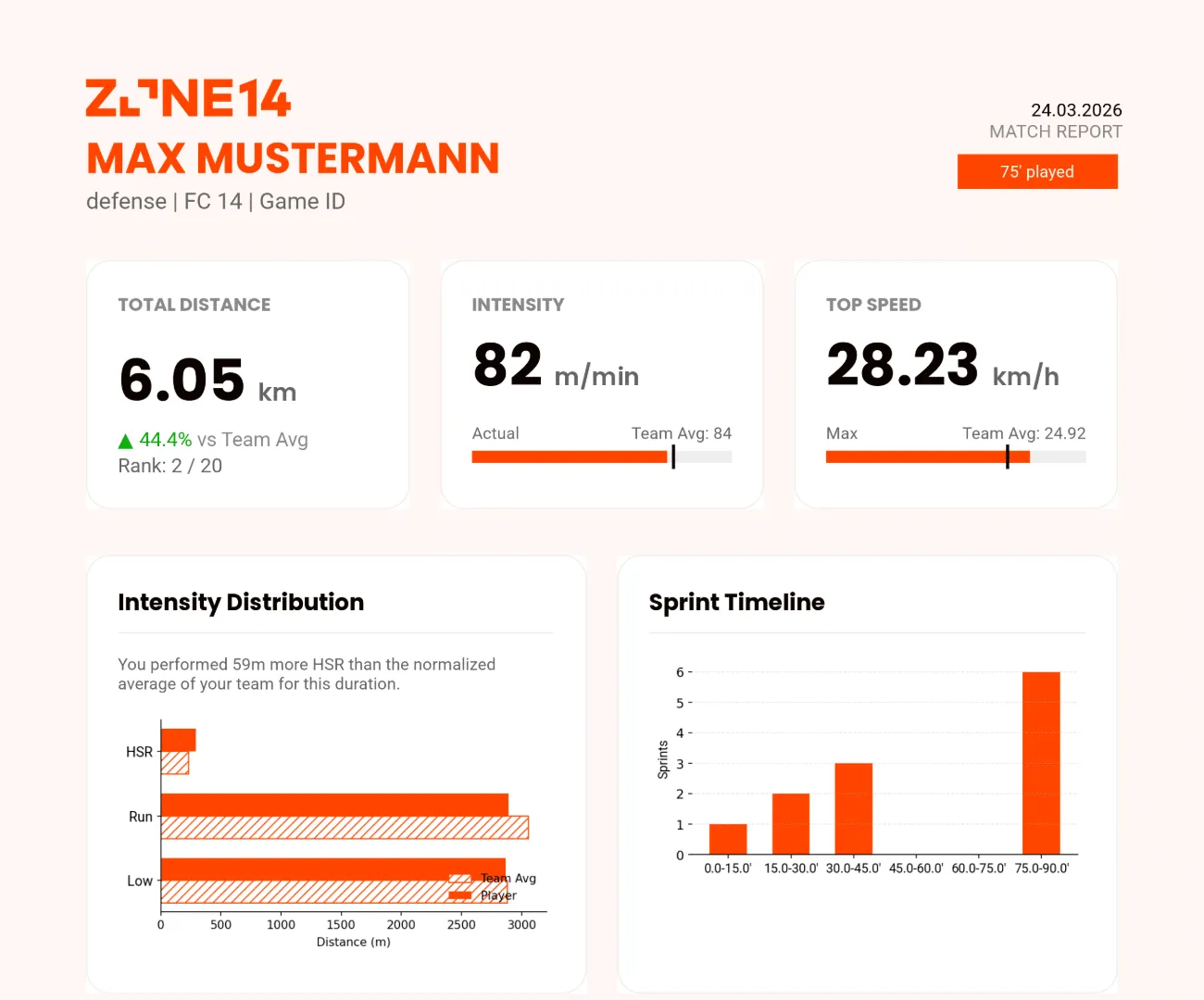
Top speed, sprints and distance covered as a PDF for every player, straight from the match video: with football tracking without GPS vests from zone14 STATS.
On its way!
Your sample player report will be sent to your email shortly.
Test mode: no webhook is configured for this form, nothing was forwarded.
Alternatives to GPS vests in football
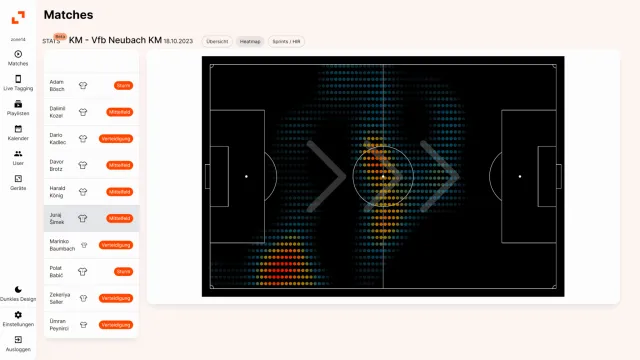
The technology of zone14 and the zone14 TWO camera are an alternative to expensive GPS vests. They determine player positions just like the vests, but via video only. Instead of needing a large budget for GPS vests, you can, for example, get the most expensive zone14 package for less money than it would cost to buy a vest for every single player on a team. To gain meaningful insights, it’s important to have both data and video. The usefulness or utility of a sprint can vary depending on context, which can only be seen through video. And although zone14’s technology does not currently provide heart rate data, it covers all the other aspects covered by GPS vests. This includes the heatmaps of the individual players, which also include the number of sprints a player has made and the distance travelled. The player tracking aspect of zone14’s AI collects statistics via a sophisticated camera system that allows data to be analysed during and after the game.
The reason why zone14 would be an effective solution for youth teams is because the data provided by zone14 is more on the tactical side. It does track individual data such as the speed of the player, number of sprints made, their heatmap and distance covered, along with analysing the players with the player-tagging technology. However, personalised data such as the emphasis on the physiological side will not be included, ensuring safety for youth players.
Maintaining the zone14 technology is not a big issue either, thanks to its simplicity. It is a simple plug-and-play device, and you can keep in touch with the zone14 team at all times via WhatsApp. Charging is not a problem: the camera only has to be plugged in. Moreover, all of the data captured by zone14 is saved in the web app, where the data is always available to access.
Conclusion
The integration of GPS vests into modern football represents a significant advancement in player development and optimisation. These devices provide comprehensive data on player performance, movement, and physical condition, aiding in performance analysis, injury prevention, and tactical planning. However, their high cost can be a barrier for smaller clubs. zone14 offers a cost-effective alternative with AI-driven sports analytics, providing similar insights through automated video analysis and player tracking without the need for expensive wearable technology. This makes advanced analytics more accessible to a wider range of football teams.
GPS Vests FAQ
What are these ‘sports bras’ used for?
The “sports bras” that are so popular in football are actually GPS or tracking vests that players wear during training and matches. These vests are designed to hold a tiny GPS tracking device that collects various performance indicators.
What are GPS vests used for in football?
GPS vests track player movements and physical performance metrics such as distance covered, speed, acceleration, and heart rate to help improve performance and monitor fitness levels.
How are GPS vests designed?
The vests are lightweight and form-fitting, made from flexible, breathable materials for comfort. The GPS unit is typically positioned between the shoulder blades to track movement accurately without impacting the player’s mobility.
How do GPS vests help in performance analysis?
They provide detailed data on a player’s endurance, distance covered, speed, and acceleration, helping coaches tailor training programmes and identify strengths and weaknesses.
Are GPS vests expensive?
Yes, high-quality GPS vests can be costly, which may be a significant financial burden for smaller or amateur clubs.
Are GPS vests suitable for youth teams?
While beneficial, they present challenges such as high costs, discomfort for young players, the need for data management expertise, and privacy concerns.