Categories
Spieldaten

Advancements in Football Through AI, Data Analytics, and Tracking Technologies

Contents

Advancements in Football Through AI, Data Analytics, and Tracking Technologies

Introduction

Football, known across the globe as "the beautiful game," has undergone a remarkable transformation in recent years. Artificial intelligence (AI), detailed data analytics, and sophisticated football tracking technologies have redefined the football landscape, providing coaches and players with insights that were previously unimaginable. Teams now routinely optimise player performance, strategic decision-making, and injury prevention through data-driven methods. In this article, we explore these transformative innovations and examine their direct impacts on modern football.

Unveiling Tactical Insights with Data Visualisation and Heatmaps
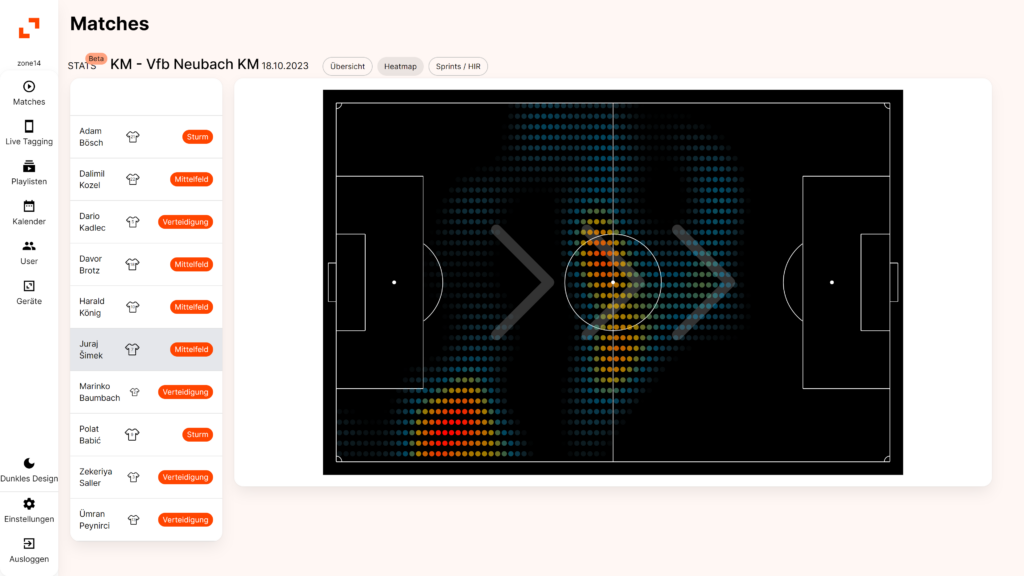
Heatmaps by zone14 (Zoomed)
zone14 STATS

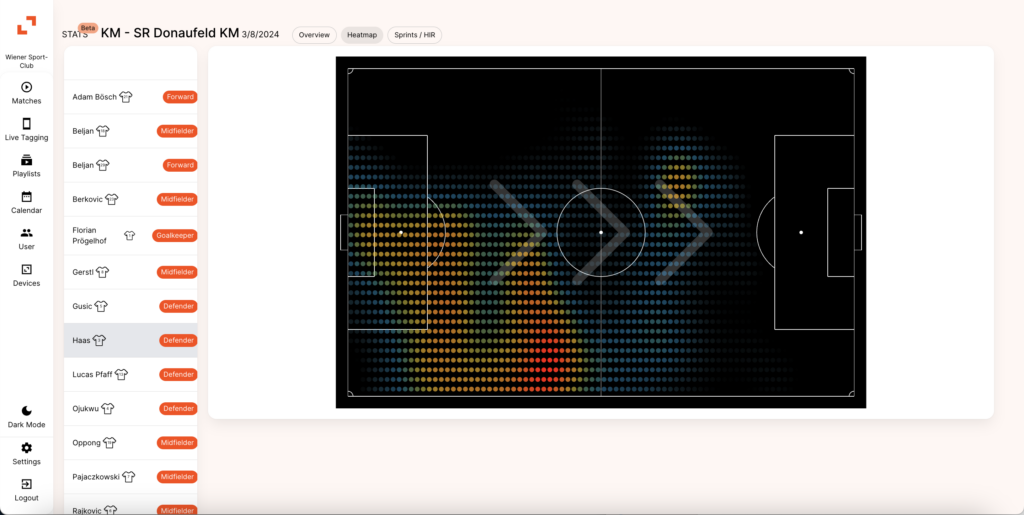
Data visualisation techniques such as heatmaps are a key aspect of tactical analysis in football. Heatmaps visually represent player positions, movements, or interactions with the ball, translating complex data sets into easily actionable insights. Coaches rely on heatmaps to identify positional trends, highlight important zones in attacking play, or reveal potential tactical vulnerabilities.

Our detailed exploration of heatmaps demonstrates their value in evaluating attacking strategies. By assessing whether a team consistently attacks through certain flanks, coaches can adjust tactics accordingly, enhancing offensive versatility. Similarly, defensive heatmaps identify frequent points of opposition breakthroughs, informing tactical adjustments to fortify defensive structures.

When combined with AI, heatmaps can also enable predictive analysis, taking tactical planning from reactive to proactive. In the latest technological breakthroughs, AI models are able to forecast opponent tendencies, allowing coaches to adjust formations and strategies in advance, significantly improving match preparedness. Thanks to football tracking, it is also now possible for teams to access data visualisations such as heatmaps through solely camera footage.

Maximising Player Performance through Running Statistics

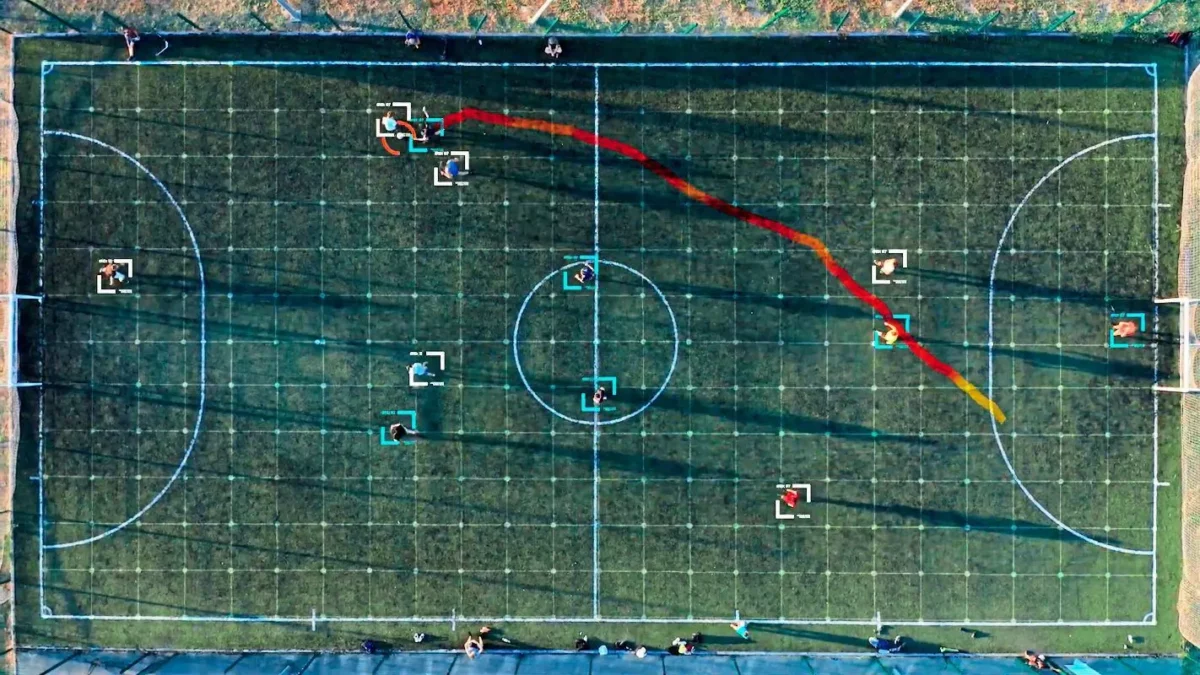
Running statistics have become essential in football analytics, offering objective assessments of a player’s physical contributions on the pitch. Metrics such as total distance covered, high-intensity sprints, acceleration, and recovery times provide deep insights into players' fitness levels and tactical roles. Running has become an increasingly important aspect of the modern game, with the top coaches demanding high intensity with and without the ball. 

Midfielders, who generally cover more ground than other positions, require tailored fitness regimes to sustain their extensive physical output. In contrast, forwards and wingers typically focus on explosive movements and speed. Teams are able to use running data to craft customised training programmes, manage workloads, and significantly reduce injury risks.

Learn more on how running statistics are used by top coaches. 

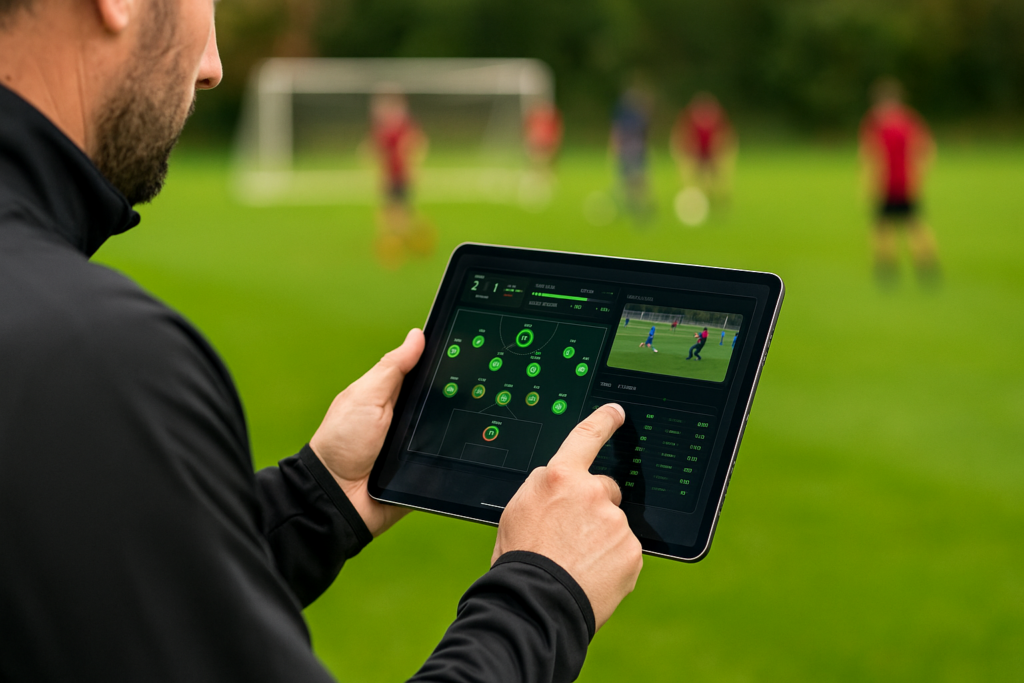
Advanced football analytics software integrates these running statistics into comprehensive dashboards or visualisations, allowing coaches immediate visibility into player conditioning, enabling timely decisions about rest, recovery, or training intensity.

Revolutionising Analysis through AI-driven Video Technology
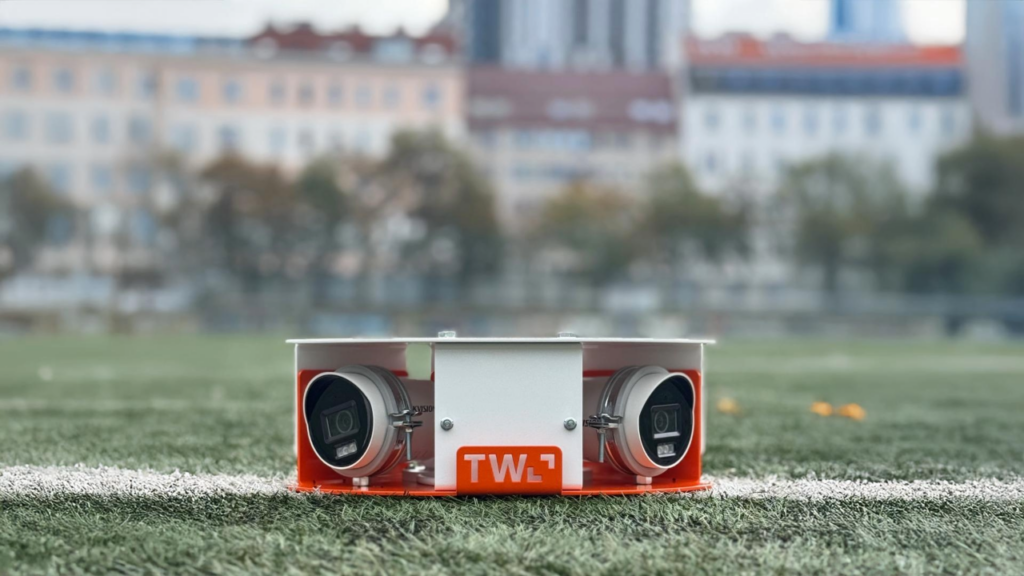
zone14-kamera
zone14 TWO A.I. Fußball-Kamerasystem

The practice of video analysis has significantly evolved, moving away from manual video recording to advanced AI-powered camera systems such as the zone14 TWO are able to record every match automatically. As technology advances, we also now see intelligent AI powered algorithms that are able automatically identify and categorise key moments such as goals and set-pieces to save coaches even more time when reviewing footage. 

Our exploration into video analysis highlights how these technologies facilitate detailed evaluations of individual and team performances. Not only do AI powered football cameras support coaches in analysis, but they can also make Live streaming for clubs who would not normally have the resources to do so. Learn more.

Artificial Intelligence: Predictive Models and Strategic Advantages

Artificial intelligence in football extends far beyond video analysis alone. AI-driven predictive models can process vast amounts of historical and real-time data to forecast match outcomes, anticipate player performances, and unveil opponent tactical approaches. These predictions provide strategic advantages by informing pre-match preparation and in-game adjustments. For example Liverpool FC are now working together with Google to develop an AI model that is able to predict corner kick outcomes and advise coaches of the best tactical strategies for these match situations. 

AI has also significantly transformed scouting and talent identification. Traditional subjective evaluations are increasingly complemented by AI-powered analytics that objectively assess player performance across multiple competitions and seasons. This data-driven approach reduces biases and enhances recruitment accuracy, as discussed extensively in our blog on AI innovation in football.

Optimising Performance with Football GPS Vests
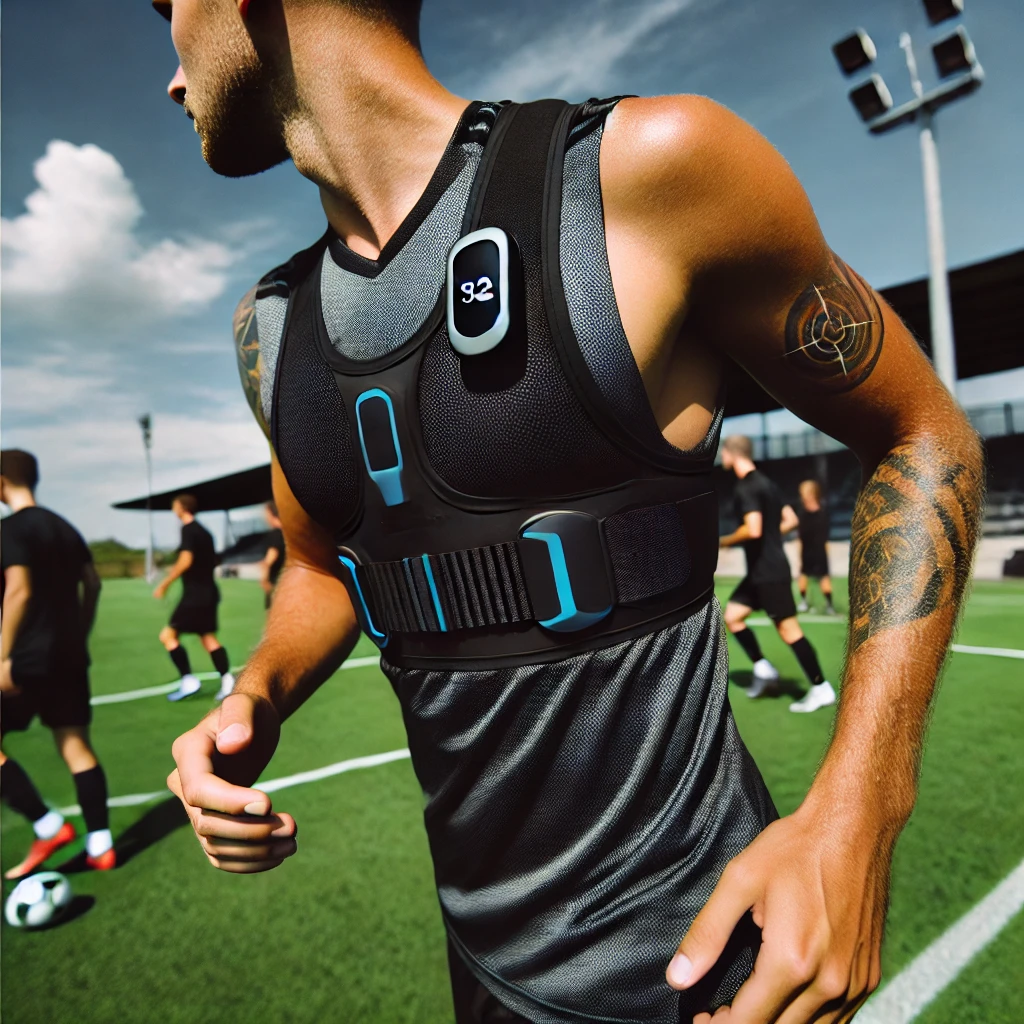
Football player wearing a GPS vest

GPS technology has drastically reshaped player monitoring in professional football. You may have noticed professional footballers wearing bras that contain these GPS tracking devices. GPS-Vests capture critical real-time data such as player movements, speed, acceleration, and physiological metrics, including heart rate. Coaches and medical staff use these insights to optimise training loads, manage player fatigue, and significantly reduce injury risks.

Through careful analysis of GPS data, teams can detect early signs of physical fatigue or potential injury, enabling preventative measures such as rest, recovery protocols, or adjusted training routines. GPS technology has shown its growing adoption not just in professional teams but also in semi-professional and grassroots football, broadening access to advanced performance analytics. However as technology in football continuous to develop there is a growing trend of teams using AI camera tracking solutions which are also able to produce the insight usually tracked by GPS data.

The Expanding Role of Wearable Technology in Football

Beyond GPS vests, wearable technology encompasses an expanding range of advanced devices, including heart rate monitors, accelerometers, and gyroscopes. These devices provide comprehensive physiological and biomechanical data that are critical for player safety, performance optimisation, and injury prevention.

Immediate feedback during training sessions allows coaches to adjust intensity or technique in real-time, while accumulated data informs longer-term training strategies. Our analysis highlights innovations such as smart insoles capable of assessing foot pressure distribution which can be valuable data for preventing injuries and improving biomechanical efficiency. This shift represents football’s growing commitment to precise, personalised athlete management and high performance.

Data Analytics at Major Tournaments

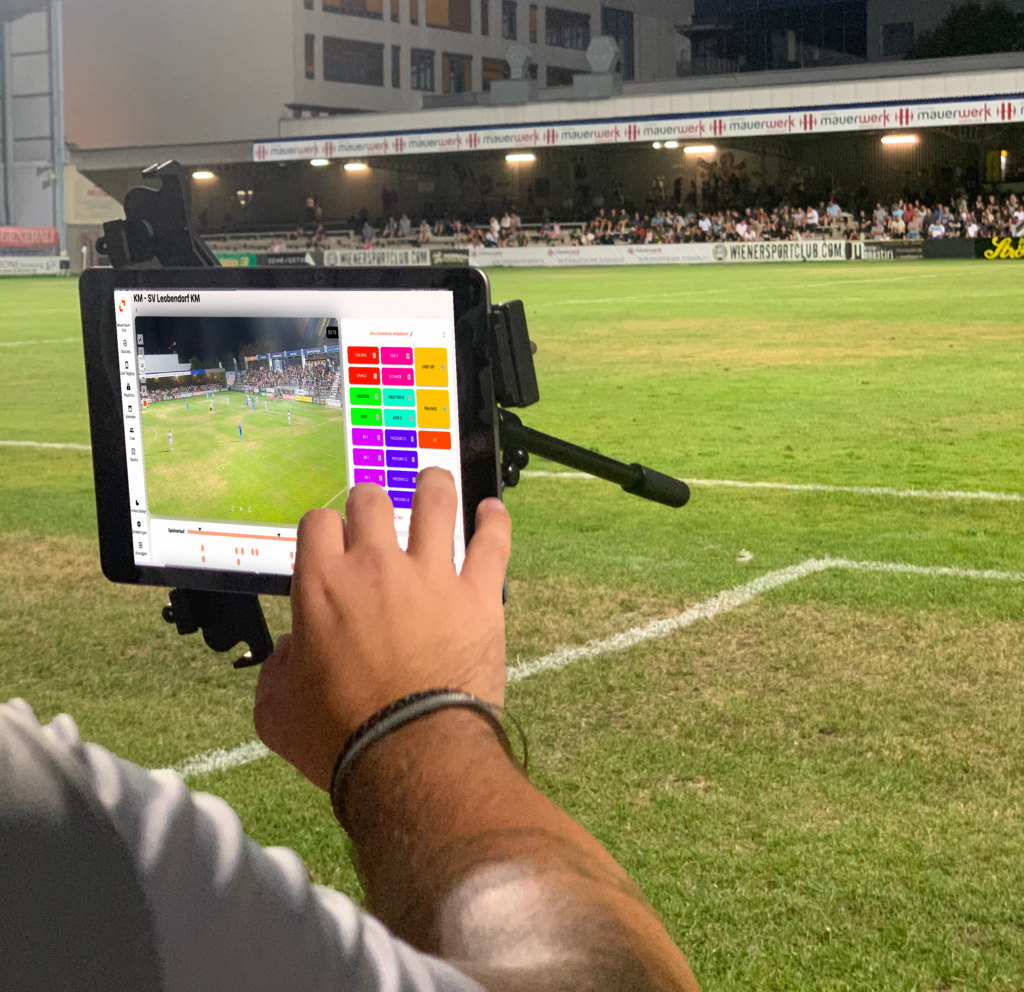
Manual tagging of football data by hand

Data analytics have become central to match preparation in major tournaments such as the UEFA European Championship and the FIFA World Cup. Historically relying on basic statistics, teams now employ advanced analytics to deeply understand their opponents' tactics, set-piece routines, and individual player tendencies.

In this article, we looked into major tournaments and how teams leverage detailed analytics to anticipate opposition strategies, leading to more effective defensive preparations or targeted offensive approaches. This precise strategic planning has increasingly influenced tournament outcomes, highlighting the vital role analytics now play on football’s largest stages. Additionally the use of AI is not just limited for performance analysis, it can also be used as an organisational tool for huge sporting events, such as AI tracking to support crowd management at the recent EURO 2024 tournament in Germany.

zone14 STATS: Innovating Player Tracking Without GPS
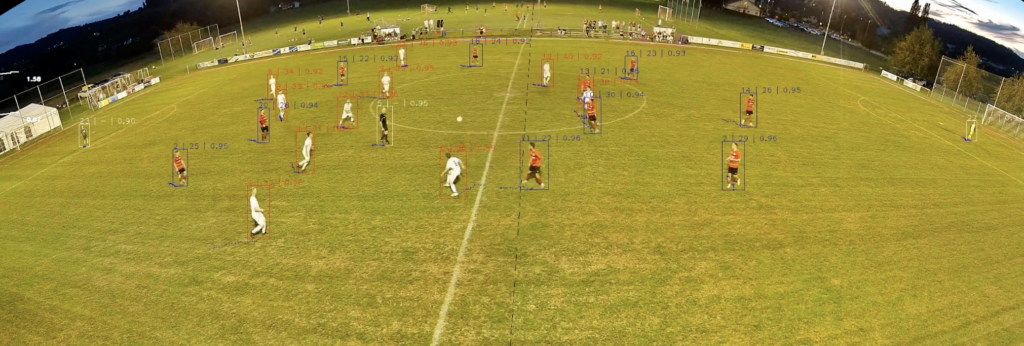
At zone14, we've developed an innovative solution for football tracking - zone14 STATS, which offers accurate player tracking and analytics without the need for traditional GPS hardware. Leveraging cutting-edge AI and computer vision technology, zone14 STATS tracks detailed player movements, positional data, and tactical formations exclusively through the zone14 TWO camera system.

This approach simplifies data collection, eliminates hardware discomfort for players, and significantly streamlines operational setup. Coaches and analysts gain access to intuitive interfaces providing instant, actionable insights. zone14 STATS democratises advanced analytics, making elite-level performance tracking accessible and affordable to clubs at all competitive levels, from grassroots teams to professional clubs.
Learn more about zone14 STATS!

Heatmaps on zone14

Conclusion: Football’s Data-Driven Future

The integration of AI, advanced data analytics, and sophisticated tracking technologies has profoundly reshaped modern football. From heatmaps and running statistics to predictive AI models and innovative player tracking platforms like zone14 STATS, these advancements have revolutionised how the game is analysed, coached, and played.

As these technologies continue evolving, football analytics promises deeper insights and greater precision, driving continuous improvement in team performance, tactical strategy, player welfare, and recruitment. Teams embracing this data-driven approach will not only succeed competitively but also shape the future evolution of the beautiful game. Learn more on what the future of video analysis in technology in football could look like.

Share on Facebook
Share on Twitter
Share on Linkedin
More related content from zone14
Already have a camera but looking for an affordable analysis platform?

zone14 COACH is the solution

Categories
Coaching

What does it take to become a football coach?

Contents

What does it take to become a football coach?

Football captivates millions of people worldwide. What often appears at first glance to be pure talent and passion actually calls for structured planning and focused training. Whether you aim to enhance your performance as a player or lead a team to new heights as a coach, the right exercises and concepts form the foundation for success.

Yet many people ask themselves: How do you become a football coach? And what requirements do you need to fulfil to become a football coach? There really are a few steps needed to get started as a football coach. In this article, we not only explain how to become a football coach, but also shed light on the most important training areas in football—from intensive defence drills, precise passing drills, and varied goal-kicking exercises to the strategic significance of Zone 14.

You’ll also learn, what it takes to start a career as a football coach —from the essential coaching licences and qualifications to the right equipment. Ultimately, you might be wondering: What are the requirements to work in football as a coach? what do you need for a future as a football coach? The answers to these questions are diverse, covering both professional and personal aspects.

Tip: If you want to deepen your knowledge even further, you can find plenty of additional information and drills about football coaching here.!

Types of Training Exercises

Training

1. Defense Drills

Why Defence Is So Important

“Offence wins games, defence wins championships”—this quote hits the nail on the head. Successful teams often boast a stable defense that not only concedes few goals but also lays the groundwork for controlled build-up play. Strong defensive organisation can dominate a match and give the offence the security it needs to create dynamic attacks.

Especially if you’re thinking about becoming a football coach, you’ll quickly realise that defensive work must be a key element of every training plan. What qualifications are needed to become a football coach? Among them is the ability to teach complex defensive tactics and help your players understand the critical role of a cohesive defensive unit.

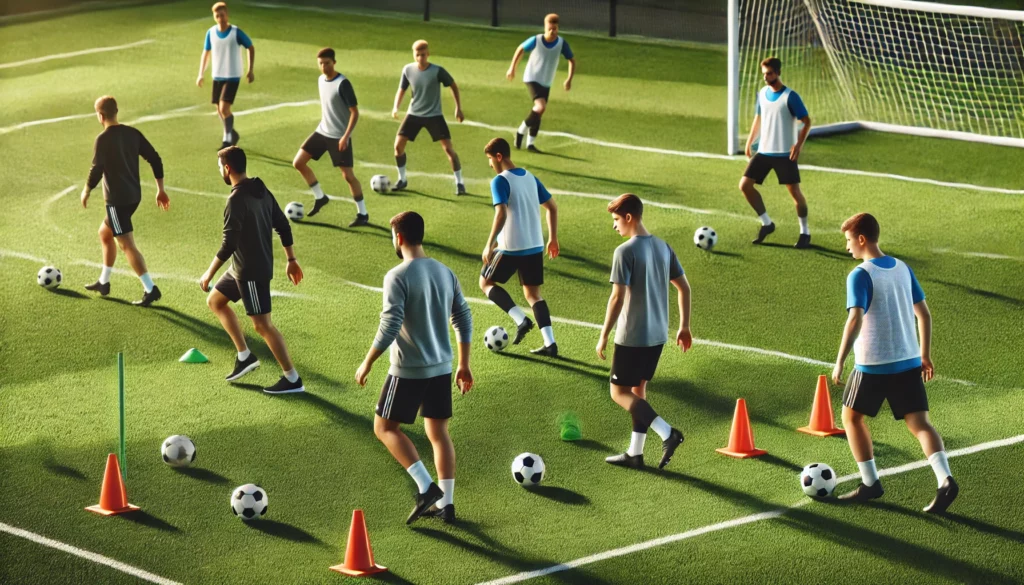
Typical Defense Drills

1-on-1 Duels

  • Focus on stance, timing in tackles, and “reading” your opponent’s movements.
  • Tip: Keep your centre of gravity low and maintain some distance to react quickly.

Zone Defense

  • Players practise shifting within a defensive chain to cut off opponents’ passing lanes.
  • Important: Good communication and clearly assigned roles (e.g., centre-backs vs. full-backs).

Pressing Exercises

  • Trains quick ball recovery in the opponent’s half.
  • Procedure: Players advance as a unit to press the ball carrier early and force errors.

Positional Play in a Back Four

  • Specific training for the classic four-defender line.
  • Players learn to adjust to the ball’s position and the opponent’s movements.

Frequent Mistakes in Defense

  • Leaving too much space between defenders
  • Poor communication or lack of clear commands
  • Impatience and hasty tackling, which can lead to gaps at the back

Want more inspiration for your defense training? Discover additional drills and training plans here.!

2. Passing Drills

Importance of the Passing Game
Training

A precise and flexible build-up play relies heavily on accurate passing. Good passes not only secure ball possession but also lay the foundation for dangerous attacks. A team that can move the ball reliably among its players controls both the tempo and overall flow of the match.

If you’re wondering what steps are required to become a football coach, remember that teaching proper passing techniques is vital. A solid passing game is the basis for any tactical system and plays an integral role in every coaching education programme.


Effective Passing Drills in Training

Rondo (Circle or Square Passing Game)

  • Several players form a circle or square and pass the ball to each other, while one or two defenders in the middle try to win it back.
  • Improves ball control, speed of play, and anticipation.

Short Passing in Tight Spaces

  • Two teams (e.g., 5 vs. 5) play on a reduced field.
  • Objective: Move effectively under pressure and develop quick, precise passes.

Long-Pass Exercises

  • Focus on passes of 20–30 metres.
  • Important: Players learn both the pass and the correct way to receive the ball.

One-Touch Passing

  • Immediate ball circulation without a controlling touch.
  • Raises game tempo and exploits gaps in the opposition’s defense.

Tips for a Better Passing Game

  • Master proper technique: shoulders facing the passing direction, weight balanced over the ball.
  • Practise inside and outside of the footto stay adaptable.
  • Keep your head upto see teammates’ positions and any approaching defenders.

Check out our collection of training ideas for even more drills and tips to fine-tune your technical abilities. Have a look here. here!

3. Goal-Kicking Drills

The Role of Goal-Kicking Training

Goals decide matches—so shooting practice should be a staple of every training session. It’s not just about powerbut also about accuracy, timing and confident ball handling before the shot.

If you’re considering what you need for a future as a football coach, you’ll quickly see that understanding various goal-scoring methods is key. Only then can you properly instruct your players and help them reach their offensive potential.

Examples of Goal-Scoring Drills in Training

Training

Finishing After a Combination

  • Players practise a passing sequence (e.g., a one-two or lofted ball) before shooting.
  • Promotes teamwork and simulates realistic match scenarios.

Crosses and Headers

  • Trains the interplay between crossers and attackers in the box.
  • Focus: Timing the jump and delivering precise crosses.

Position-Specific Shooting Drills

  • Forwards: Shots from turns or after rapid control of the ball
  • Midfielders: Long-range efforts
  • Defenders: Situational shots after set pieces or counter-attacks

Shooting Under Defensive Pressure

  • Creates game-like conditions, forcing the attacker to shoot while pursued by defenders.
  • Develops speed and mental resilience.

Success Factors in Shooting

  • Posture: Lean slightly over the ball with your standing foot firmly planted.
  • Focus on the Ball: Only look up at the goal in the last moment to adjust aim.
  • Variety: Practise different shot types (inside foot, laces, chips) and train both feet.

Want to learn more? We offer comprehensive articles with additional drills and methods—find everything here.!

4. Technique Drills

Why Technique Is the Cornerstone

Anyone who’s observed football at the highest levels knows it’s often the —beyond fitness and tactics—technical subtletiesthat truly stand out. Close ball control, rapid changes of direction, and pinpoint passes grant you multiple avenues to outwit opponents.

If you’re thinking about what it takes to start a career as a football coach, guiding your players in both basic and advanced techniques is vital. A team’s success hinges on solid individual skills just as much as on collective play.

Important Technical Drills in Training

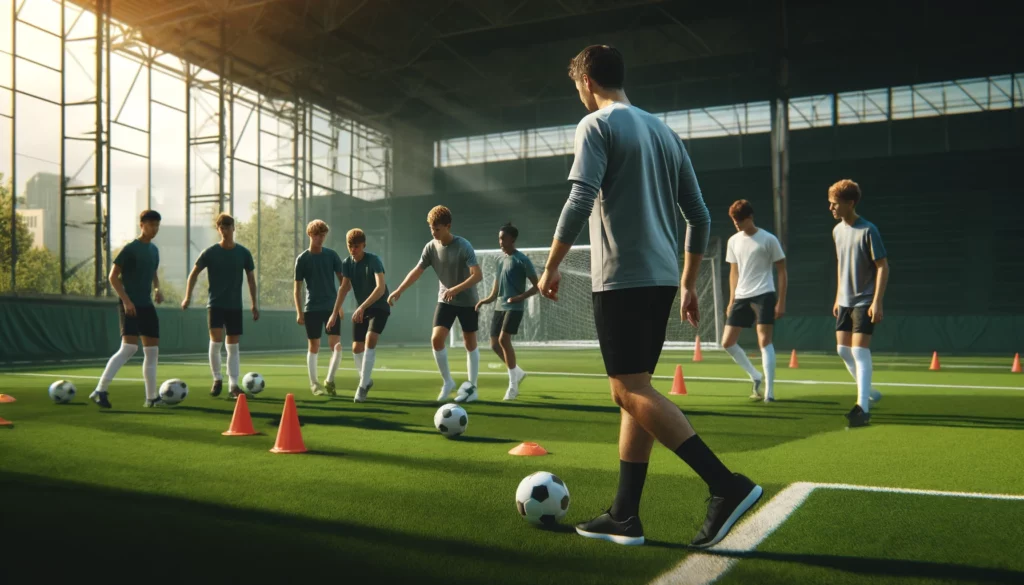
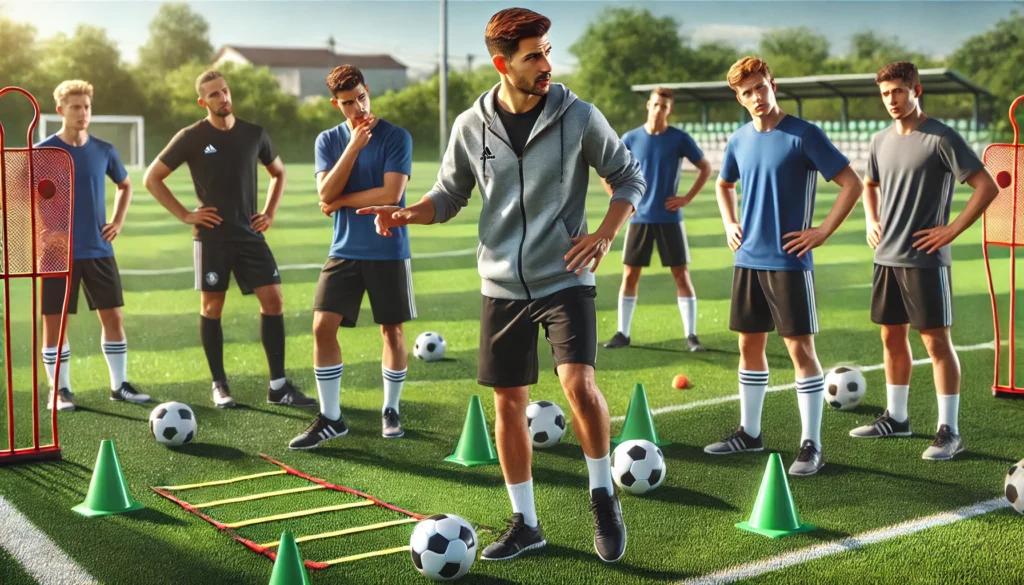
Dribbling Course

  • Set up cones, coordination ladders, or poles to practise varied movements and pace changes.
  • Goal: Keep the ball close while navigating obstacles.

Tricks & Feints

  • Overstepping moves, body feints, or the Zidane spin.
  • Key Point:Proper timing for the feint, followed by an explosive burst of speed.

Ball Control Under Time Pressure

  • Players receive passes and must control the ball swiftly before defenders close in.
  • Develops rapid decision-making and tidy technique.

Coordination ladder

  • Improves agility and acceleration.
  • Tip: Combine ladder drills with ball work to heighten real-game relevance.

Common Mistakes in Technical Drills

  • Changing pace too quickly before fully controlling the ball
  • Not enough two-footed practice.
  • Lack of patience: technique requires repeated, focused drills to perfect

Tip: For more detailed guidelines on extracting maximum technical potential from your players, take a look here.!

Training

Zone 14: The Key to Scoring Goals

What Is Zone 14?

The Zone 14 refers to the area just in front of the opponent’s penalty box. Statistics show that this zone generates a large portion of match-winning opportunities. Dominating Zone 14 can dramatically boost your team’s chance of creating and converting scoring chances.

Why Is Zone 14 So Important?

  • Threat in Transition: Many teams aim to move rapidly through midfield, seeking that killer ball into Zone 14.
  • High Creative Potential: Playmakers and attacking midfielders frequently exploit this space with incisive through passes.
  • Tactical Nuance: Targeting pressure in this zone or spotting gaps here can turn the tide of a match.

Training Methods for Zone 14

  • One-Two Passes & Lofted Balls: Swift interplay to bypass defenders and penetrate the penalty area
  • Positional Games: 5 vs. 5 or 4 vs. 4 around Zone 14 to practise tight, controlled passing
  • Finishing Drills: Shots from distance or quick low balls into the box

Tip: Learn how to effectively move into Zone 14 and create dangerous shots on goal here! here.!

Training Drills for Zone 14

Specific Drills for the Decisive Area

Gaining control in Zone 14 can significantly influence a match’s outcome. Targeted exercises train your players’ combination play and decision-making skills in this crucial sector.

Tight Passing in a Square

  • An advanced rondo setup focusing on passing in and out of Zone 14.
  • Develop incisive passing and spatial awareness in congested areas.

Counter-Pressing in Zone 14

  • Emphasises rapid transition after losing possession.
  • Aim: Either keep the opponent from entering the zone at all or regain possession quickly.

Shots from the Second Row

  • Practises precision finishing from 16–20 metres out.
  • Incorporate direct hits, low drives, and curled attempts.

Vertical Passing

  • Trains your players to open up space behind the defence with minimal touches.
  • Teams that press high or hold a high defensive line.

TipFor further ideas on Zone 14 drills, check out our resources here.!

Football Coach education

Why a Comprehensive Education Matters

A great coach needs more than practical football knowledge. Methodology, pedagogy ‎‎‎‏‏‎ ‎and team leadership skills are pivotal for guiding a group to success. If you’re asking yourself how to become a football coach, you should start here: a structured Football Coach education gives you the expertise to unlock your players’ full potential.

You might also be wondering: What are the requirements to work in football as a coach? Besides practical experience, having an officially recognised licence is typically crucial, as clubs often look for certified coaches who bring a professional standard.

Contents of a Coaching Programme

  • Training Theory: Designing targeted and varied sessions
  • Tactics: Exploring various tactical systems and adapting them to your squad and opponents
  • Psychology & Pedagogy: Motivating players and effectively resolving conflicts
  • Practical Sessions: Teaching demonstrations and mentorship under experienced coaches

Career Prospects & Benefits

  • Expanding Network: Meeting other coaches and club managers can lead to future job opportunities
  • Quality Seal: Official licences boost the trust clubs and players have in your ability
  • Long-Term Development: Regular training keeps your methods fresh and up to date

Tip: Find out how to enrol in a coaching programme and everything else you need to know here! here.!

Licences in Coach Training

An Overview of Licence Levels

Most football associations offer different licence tiers, each stipulating who can coach at which level and under what requirements. If you’re looking to get started as a football coach, understanding the licensing framework is essential:

  • C licence: Entry-level qualification, ideal for youth and amateur sides
  • B licence: More advanced, suitable for higher amateur leagues and some semi-pro teams
  • A licence: Professional level, allowing you to coach top-tier clubs
  • UEFA Pro (Football Instructor Licence): The highest tier, mandatory for coaching in Europe’s elite professional leagues

Requirements & Procedures

  • Practical experience: You often need proven club coaching time
  • Courses & Exams: Covering theory (tactics, methodology) and practical sessions (live teaching demos)
  • Ongoing Education: Periodic refresher or advanced courses to keep your licence valid

Why Licences Are Worth It

  • Professional Standards: A structured education assures consistent quality
  • Competitive Edge: Clubs increasingly prioritise officially licensed coaches
  • Personal Growth: Networking with other coaches fosters continuous improvement

Thus, anyone asking how to become a football coach ‎‎‎‏‏‎ ‎and how to get a football coaching career and what qualifications are required to become a football coachshould delve deeply into these licence pathways.

Tip: For details on the costs and benefits of these licences, click here.!

Football Equipment

The Importance of the Right Equipment

Whether at amateur or professional level, football equipment is crucial for safety, comfort, and performance. While the ball may be central, many other essentials come into play.

Useful Training Gear

  • Cones, Coordination Ladders, Hurdles: Great for technique and sprint exercises
  • Weight Cuffs (use with caution): A tool for boosting explosive power
  • Medicine Balls or Resistance Bands: Effective for holistic athletic training

If you explore in depth what you need for a future as a football coach , you’ll quickly discover that having reliable equipment is often overlooked but absolutely vital. It can make structuring and running your sessions far more efficient.

TipSearching for extra training gadgets or more info? You’ll find it here. fündig!

Further recommendations: Coach insights from Ralf Rangnick and the rebuilding of Rapid Vienna

If you’re intrigued by modern training approaches and the success stories in professional football, check out these two articles:

  • Ralf Rangnick: Find out here.about the training philosophy and tactical vision that have made him so successful, and how you can adapt his methodology to your own coaching.
  • Rapid Vienna: Get a deep dive here. into Rapid Vienna’s playing and training culture, and see how this historic club continually improves its performance.

Both pieces offer valuable insights into structuring your sessions more strategically and expanding your coaching perspectives—from targeted player development to evolving your own coaching identity.

Fazit & Ausblick

Whether you’re an aspiring player looking to refine your skills or a coach aiming to master fresh tactics, Football Coaching is a multifaceted realm where countless factors interconnect. This article has highlighted key points that you should tackle if you’re wondering becoming a football coach.

For more specifics, curated training plans, and further instructional material, head over to Zone14.ai/blog/tag/training. You’ll discover a range of ideas to keep your training engaging and effective.

Always remember that beyond pure football expertise, passion,, discipline, and a willingness to keep learning are the driving forces behind successful coaching. Embrace these principles, and you’ll be well on your way to achieving your goal— what it takes to make it as a football coach Best of luck in putting this knowledge into practice and pursuing your future coaching career!

Share on Facebook
Share on Twitter
Share on Linkedin
More related content from zone14
Already have a camera but looking for an affordable analysis platform?

zone14 COACH is the solution

Categories
Video Analysis

Video analysis: technologies, tools, areas of application and best practices 2025

Contents

Video analysis: technologies, tools, areas of application and best practices 2025

Introduction - What is video analysis and why?

Video analysis is an essential part of modern sport, especially football. It enables coaches to analyse matches and training sessions in detail and gain valuable insights into the performance of players and the team as a whole. Video footage and statistical data are combined in order to recognise weaknesses and develop targeted improvement measures.  

This type of ‘visual data processing’ not only provides objective facts, but also a high-quality basis for communication between the coaching staff and players. This means that tactical changes can be discussed more quickly and individual suggestions for improvement can be implemented in a more targeted manner. 

The importance of video analysis in football

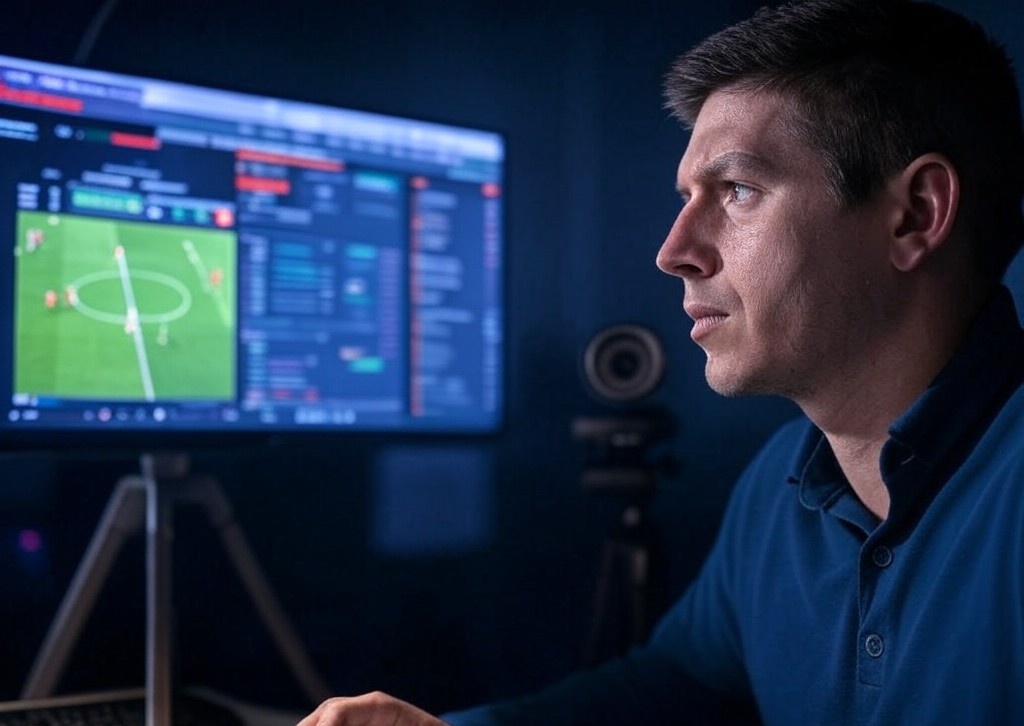
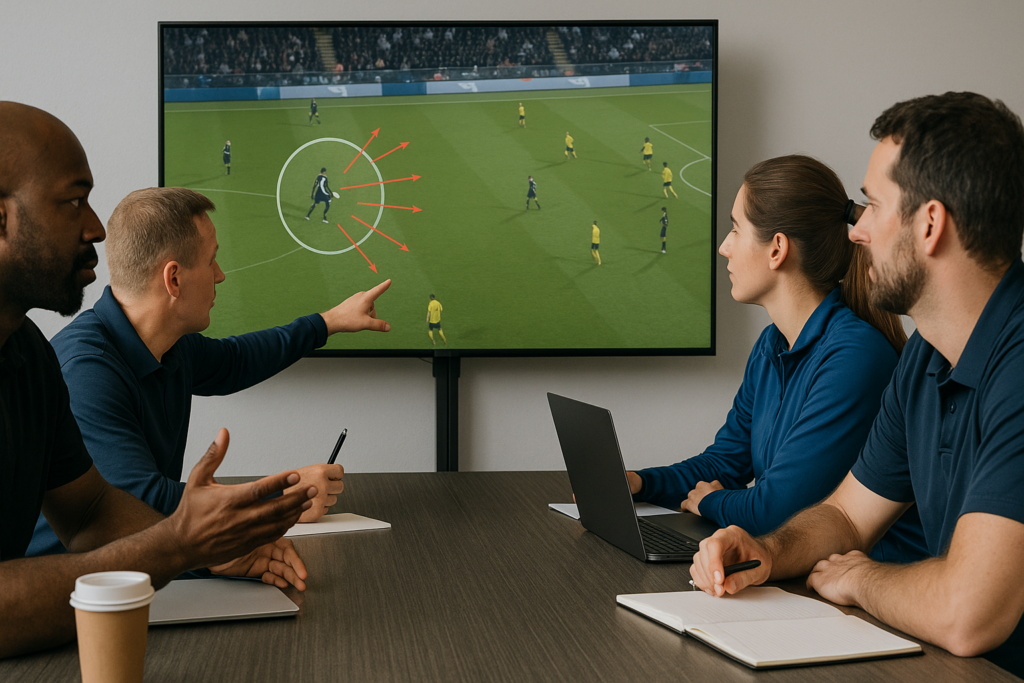
A football video analyst looking at a match recording and statistics on a computer screen.

In football, fractions of a second often decide the outcome of a game - and this is precisely where video analysis comes in.It helps to better understand tactical relationships and to plan the course of a game with foresight. By specifically analysing running routes, passing patterns and space allocation, teams can increase their efficiency and exploit weaknesses in the opponent's defence.  

In addition, video analysis enables a fact-based discussion within the coaching team.Instead of relying on vague impressions of the game, video sequences and statistics can provide concrete evidence, such as the effectiveness of certain formations. Providers such as zone14 attach great importance to user-friendly presentation and rapid availability of the data, which relieves the coaching team enormously and simplifies decision-making. 

How to become a video analyst in football?

The path to becoming a video analyst often leads via a sports science or media-orientated degree.However, training or a bachelor's degree in sports management or sports journalism is also often helpful. In addition, internships and initial experience in sports analysis are required to learn how to use various analysis tools in practice. 

Alle Schritte und Voraussetzungen, um selbst Videoanalyst im Profifußball zu werden, sind hier zusammengefasst.

Comprehensive football knowledge is also required.Tactical understanding, a trained eye for detail and the ability to quickly edit and process complex video sequences are essential. 

More information on the indispensable influence of video analysts on tactics, training planning and match progression can be found here.

Video analysis in training

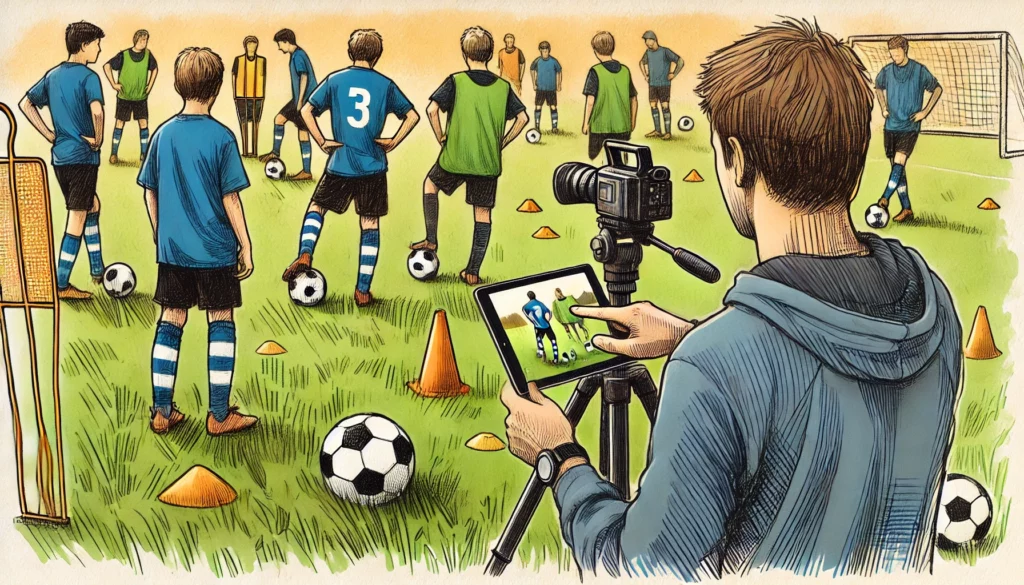
filming the training

By specifically showing real game situations, players gain a better understanding of space allocation, passing routes and decision-making.At the same time, the video material serves coaches as a basis for individual feedback discussions and the development of customised training content.In this way, video analysis contributes significantly to the sustainable improvement of playing skills and game intelligence. This article explains, how targeted evaluations of personal match actions with the help of video analysis promote and continuously develop individual talent.

Video analysis is not only limited to team tactics, but also offers an excellent opportunity to promote the individual performance development of players.By analysing one-on-one situations, running routes and technical execution, individual training plans can be drawn up.For example, if a striker has difficulties finishing a goal, targeted advice can be given on shooting technique or positional play in front of goal, supported by video recordings. 

To find out here how video analysis accelerates the learning process, conveys tactical subtleties and develops the full potential of players read more here.

During training itself, sequences are often recorded in real time and then analysed to provide players with feedback. With the help of modern software like REPLAY by zone14 , coaches receive immediately available clips that can be shown during training or in one-to-one meetings.This accelerates learning processes and raises each individual's awareness of their strengths and weaknesses. 

Why is video analysis is indispensable in everyday training in order to build on strengths, recognise weaknesses and make individual progress measurable? Read more here.

Live Video Analysis in Football

During the 90 minutes of a match, tactical adjustments and immediate feedback are often crucial. Live video analysis enables coaching teams to make analyses and modify strategies while the game is still in progress. For example, opponents' formation changes can be recognised and the team's own changes or tactical adjustments can be adapted accordingly. 

Here we show, why real-time analysis during the game can make the decisive difference and how coaching teams can use it to implement tactical adjustments immediately.

zone14 LIVE offers real-time analysis options so that the coaching team can immediately adapt to changing situations. This gives them a competitive advantage, as they do not have to wait until after the game to make use of analyses, but can react proactively. Live video analysis has therefore long been established in the professional sector and is also becoming increasingly important in the amateur sector, where affordable hardware and easy-to-use software solutions are becoming more and more popular.

Statistics and Data in Video Analysis

Modern football increasingly relies on data-driven insights to improve team performance. Heatmaps are an indispensable tool in this regard, as they provide a visual representation of player movements and the overall formation in the game. By analysing activity in different zones of the pitch, tactical patterns can be better understood and specifically adapted.
Read more, on how heat maps and data visualisation influence football analysis.

In addition to the heat maps, running statistics also play an important role in assessing the fitness and playing time of individual players. Metrics such as the total distance covered, high-intensity sprints or running speed provide important information on workload and energy consumption. Based on this data, training programmes can be optimised and the team's fitness can be increased in a targeted manner.

An insight into how running statistics can help in optimising performance.

The combination of video analysis and statistical data facilitates well-founded decisions, for example when choosing a suitable formation or monitoring the degree of fatigue. With zone14 STATS such statistics can be linked directly to video data - in an all-in-one solution that does not require a GPS tracker.

AI Cameras and Software for Video Analysis

zone14-kamera

AI powered camera systems have fundamentally changed the way football matches are recorded and analysed. Instead of complex, manual camera control, these cameras track the ball and players automatically, which ensures high-quality video material without additional effort.

Read more here, on which are the best cameras for video analysis

However, high-quality recordings alone are not enough. The right video analysis software is just as important. The best platforms offer functions such as tagging, real-time evaluations and clear organisational tools to gain targeted insights from the footage for tactical and individual improvements.

Our article on finding the best football video analysis software.

Given the many options available, it makes sense to compare different solutions. Factors such as cost, range of functions and user-friendliness play an important role in selecting the optimum all-in-one system.

A detailed comparison of video analysis solutions.

zone14 offer a complete package of camera and software that is affordable and easy to use for clubs of all levels. The zone14 TWO is ideal for live streaming and tactical analysis thanks to its advanced AI functions and can be intergrated with the REPLAY-analysis tool seamlessly.

Video analysis in youth and amateur football

Video analysis is no longer reserved for professional clubs. It is also a valuable tool in youth and amateur football to accelerate learning processes and support players in their development. At youth level, video feedback enables talented players to understand movement sequences and decisions more precisely and to continuously improve. Coaches can use the recordings to specifically address strengths and weaknesses.

Insight into how video analysis can support in youth development.

Amateur teams also benefit from video analysis, as it promotes more precise communication and an increased tactical understanding. Even part-time coaches can use user-friendly tools to identify errors in the game and initiate effective corrective measures. Read more, on how amateur teams can use video analysis.

In addition, league-wide video analysis solutions facilitate the exchange of recordings between different teams, which raises the quality of the entire competition.

Information on how leagues are using video analytics for broader coverage.

zone14 also offers a reasonably priced fixed installation for amateur clubs, which is not limited to use only by the first team. Thanks to the functionalities of zone14 REPLAY videos can be easily be shared around the league.

Video analysis with young players

The future of video analysis in football

Artificial intelligence and machine learning will play an even greater role in the future. Advanced predictive analysis will provide real-time insights into the game and enable coaches to quickly recognise trends and implement tactical changes immediately.

Automated tactical set-ups, precise player tracking and advanced injury prevention systems are constantly evolving and increasing the value of video analysis for all clubs - from youth to professional sport.

An outlook on what the future holds for football video analysis.

By using these modern technologies, deeper insights can be gained and overall performance can be sustainably improved. zone14 aims to make these advanced solutions available to all clubs, not just the professional sector. zone14 STATS and automatic goal recognition are just the beginning - many clubs in Europe have already worked with zone14 and reached new highs!

Contact us to find out how zone14 can bring video analysis to your club.

Share on Facebook
Share on Twitter
Share on Linkedin
More related content from zone14
Already have a camera but looking for an affordable analysis platform?

zone14 COACH is the solution

Categories
Coaching

Lizenzen in der Fußball-Trainerausbildung: Leitfaden 2025

Contents

Lizenzen in der Fußball-Trainerausbildung: Leitfaden 2025

The Football coaching education is a complex, multi-stage process that is regulated by national and international football associations. The education aims to equip coaches with the necessary technical, pedagogical and social skills to successfully manage both youth and professional teams. The following blog describes in detail the different licence levels, the challenges and progress of the education process as well as an international comparison of coaching licences.

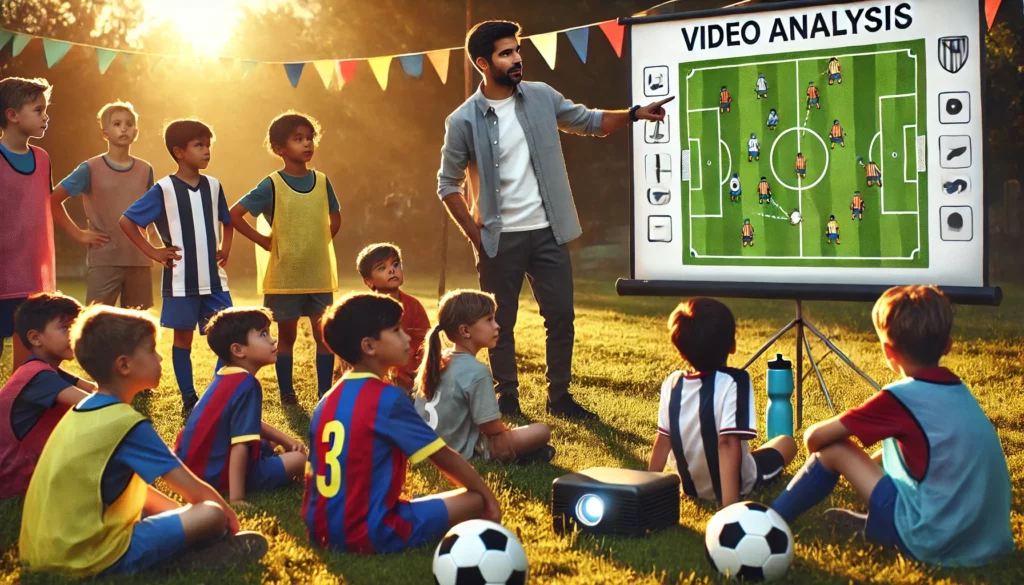
Trainer vor jungen trainierenden Spielern

Structure of the coach education

In most countries, football coaching education is structured according to a pyramid model. At the bottom are licences for the amateur sector, while at the top are licences for the professional sector. UEFA, the umbrella organisation of European football, provides the framework with its licence levels (UEFA C, B, A and Pro), which is used in most European countries. However, this structure is often adapted by national associations to meet regional requirements.

1. UEFA C licence - the basis for youth coaches

The UEFA C licence is the entry point to formal coaching education and is aimed at people who want to work at youth and amateur level. Although it is the lowest licence level, the requirements for future coaches are already demanding at this level.

Training content

  • Technical principles: Coaches learn how to teach young players the basics of football such as passing, dribbling, shooting and receiving the ball. The focus is on promoting basic technical skills.
  • Didactics and methodology:: Particularly important in the C licence is the ability to design age-appropriate training. Here, participants learn how to translate complex content into simple and understandable forms of training for children and young people.
  • Understanding the game:: Although tactical training is only deepened in the higher licence levels, a basic understanding of the game is already taught in the C licence. Coaches learn how to teach simple forms of play and movement patterns.

Prerequisites

  • Minimum age:: In many countries, the minimum age for obtaining the UEFA C licence is 16 or 18.
  • Experience: Participants are expected to have basic playing experience, and currently being a part of a football club is often sufficient.

Examinations

At the end of the training programme, an exam is taken which includes both practical and theoretical parts. In the practical part, a training session with a youth team is usually prepared and carried out, which is assessed by the examiners. The theoretical part deals with basic questions on training methodology and the rules of the game.

Career opportunities

With the UEFA C licence, coaches are entitled to work in the youth and lower amateur sector, for example as youth coaches in local clubs. Many coaches use this licence as a stepping stone to gain initial experience and then qualify for the UEFA B licence.

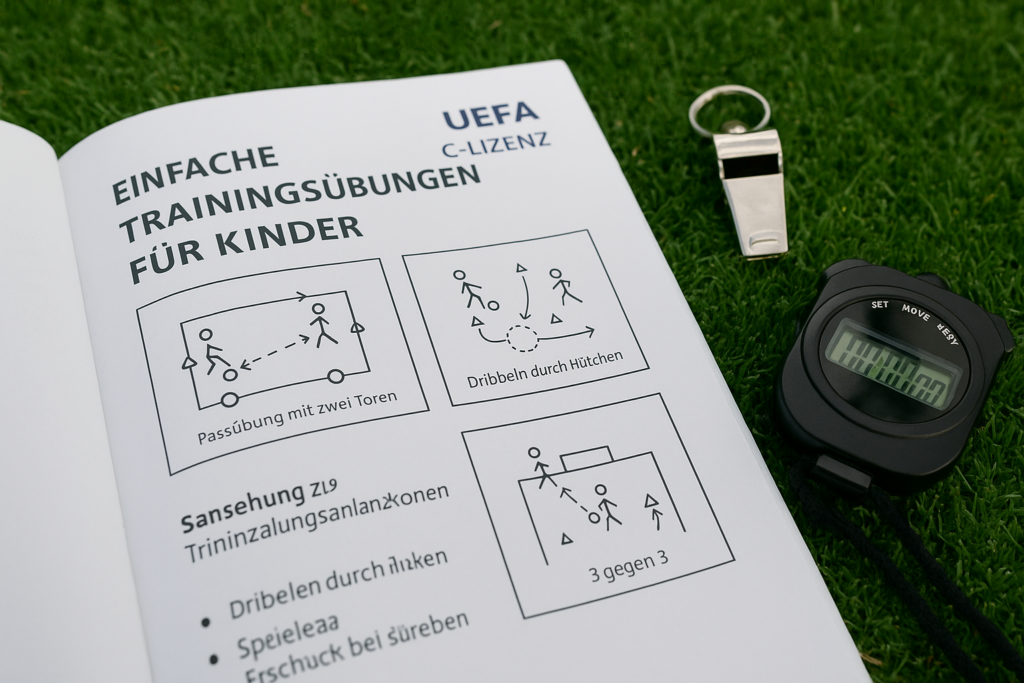
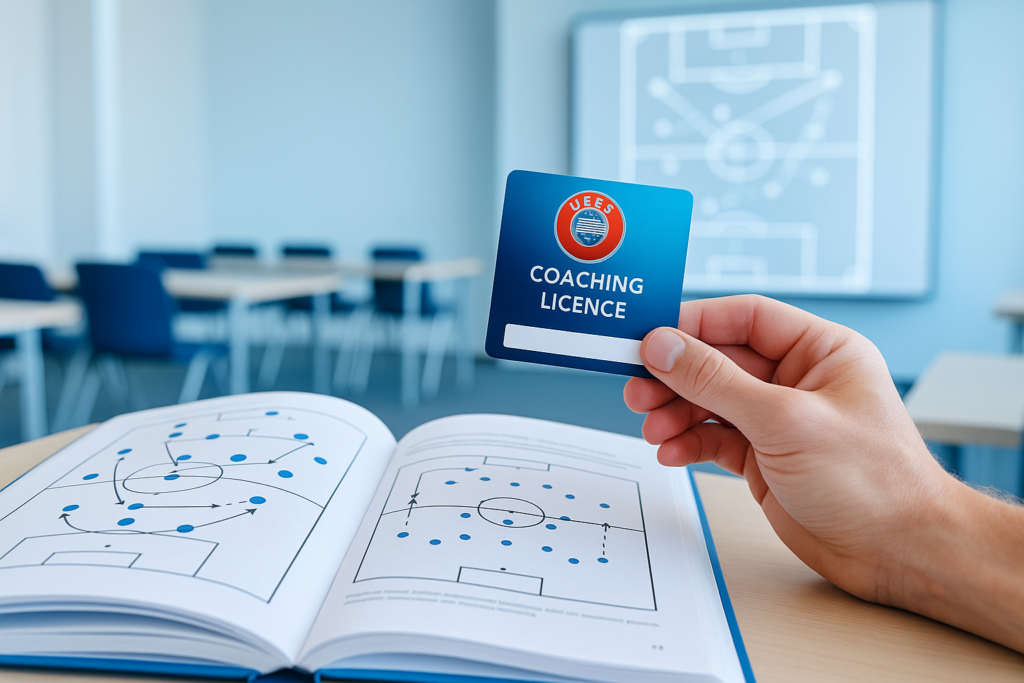
Ein Textblatt der UEFA C-Lizenz

2. UEFA B licence - The entry into high performance football

The UEFA B licence The UEFA B licence is the next level and enables coaches to work in performance-oriented youth teams and in the upper amateur sector. It is crucial for coaches who want to work in football more professionally.

Training content

  • Tactics and systems of play: The main focus of the UEFA B licence is on teaching tactical fundamentals. Coaches learn how to set up teams in different positions and how to implement different systems of play (e.g. 4-4-2, 4-3-3).
  • Match analysis: Coaches are trained to systematically analyse matches and draw conclusions for training. This includes observing and assessing their own team and their opponents.
  • Specific training methodology: The training methods become more complex and the focus is more on individual and group tactics. Training methods are developed that address the specific needs of the players in order to improve their strengths and weaknesses in a targeted manner.
  • Fitness and conditioning training: Coaches acquire fundamental knowledge in the area of training management, particularly in the areas of endurance, strength and speed. Particular emphasis is placed on age- and performance-appropriate training.

Prerequisites

  • C licence: Coaches must be in possession of the UEFA C licence and generally have a certain amount of practical experience as a coach.
  • Minimum age:: As a rule, the minimum age for obtaining the UEFA B licence is 18 years.

Examinations

The examinations for the UEFA B licence are more demanding than those for the C licence. In addition to theoretical examinations, which cover game systems, tactics and training methodology, participants must also plan and carry out complex training sessions. These are not only assessed by the examiners, but often also by the players who complete the training sessions.

Career opportunities

With the UEFA B Licence, coaches can train youth teams at the highest level and take over teams at the higher amateur level. Many ambitious coaches who want to move up to the semi-professional level take this licence.

Ein Trainer mit Analysetablet

3. UEFA A licence - For ambitious coaches in the professional sector

The UEFA A licence is one of the highest licence levels and qualifies coaches for roles in semi-professional and professional football. The complex requirements for training and managing a football team are taught here.

Training content

  • Advanced tactics: The course emphasises the development of advanced tactical concepts that are required in the top leagues. Coaches learn how to adjust teams flexibly to different match situations.
  • Match preparation and follow-up: Here, particular emphasis is placed on analysing opponents in order to make specific match preparations. Coaches learn to observe opponents, identify their weaknesses and develop a suitable match strategy.
  • Team management: At this level, not only technical knowledge is required, but also the ability to manage a team. Coaches are trained in psychological aspects, such as motivating players or resolving conflicts within the team.
  • Scouting and talent development: Another important aspect is the ability to recognise talent and develop it in a targeted manner. Coaches learn how to assess player potential and develop it in the long term.

Prerequisites

  • B licence: The prerequisite is possession of the UEFA B licence and several years of practical experience as a coach.
  • Practical experience: In many countries, applicants are expected to have already worked successfully as a coach in the competitive field before being admitted to the UEFA A licence.

Examinations

The UEFA A Licence examinations are extremely demanding and include a detailed analysis and development of match and training concepts. Particular attention is paid to the practical implementation of tactical and methodological content in training sessions and matches. The ability to carry out complex match analyses and draw conclusions for training work is also tested.

Career opportunities

With the UEFA A licence, coaches can manage teams in the second or third division as well as in the higher amateur sector. The UEFA A licence also offers many career opportunities as an assistant coach in the first division and in international football.

4. UEFA Pro licence - The pinnacle of coaching education

The UEFA Pro licence is the highest qualification that a football coach can obtain in Europe. It is mandatory in order to coach teams in the highest national leagues as well as in international professional football (e.g. Champions League, Europa League).

Training content

  • Team management at the highest level: At this level, it is no longer just about tactics and technique, but about the holistic management of a team. The coaches learn how to deal with the high demands of professional football, which range from man-management to media training.
  • Media training: Coaches at this level must be able to deal confidently with the media, as press conferences and public appearances are part of everyday life. Communication strategies and crisis management are key topics.
  • Application of science and technology: The integration of data analysis, sports science and psychological counselling is deepened. Coaches learn how to use modern technology to maximise their team's success.
  • Playing philosophies and leadership styles: A large part of the programme revolves around the development of an individual playing philosophy and leadership style. Coaches are encouraged to find and define their own identity as a coach.

Prerequisites

  • A licence: Coaches must be in possession of the UEFA A-licence.
  • Experience: As a rule, several years of practical experience at a professional level is required.

Examinations

The examinations for the UEFA Pro Licence are intensive and include extensive theoretical and practical tests. Coaches must demonstrate their skills in real match situations and show that they are able to manage a team at the highest level.

Career opportunities

The UEFA Pro Licence is a prerequisite for working as a head coach in the top European leagues or in international competitions. Coaches such as Jürgen Klopp, Pep Guardiola and José Mourinho have obtained this licence before taking their careers to the top of international football.

Bild einer Lizenz von UEFA

The cost of the licences

UEFA C licence / youth coach education

The UEFA C licence is the first level for football coaches
and is aimed at people who would like to work in the children's and youth sector. This training programme teaches the basics of coaching, such as training planning, understanding the game and pedagogical work with children. The UEFA C licence costs between €500 and €700 in Austria and usually comprises several modules and a final examination. Depending on the course offered, the training lasts a few weeks and provides a solid foundation for anyone who wants to get into youth football.

UEFA B licence

The UEFA B licence builds on the C licence and entitles the holder to coach youth teams in the upper performance range as well as amateur teams. This licence provides in-depth knowledge of match tactics, training design and sports psychology, which are important for performance-oriented teams. The cost of the UEFA B licence in Austria is between 1,500 and 2,000 euros. The training is more intensive and requires more time, as both theory and practice are covered in depth. This licence is for coaches who want to work ambitiously in the amateur and semi-professional sector.

UEFA A licence

The UEFA A licence is aimed at coaches who want to work in the semi-professional and professional sector. With this licence, coaches can also work in higher leagues and are able to develop comprehensive training plans, implement advanced tactics and shape the individual development of players. The cost of the UEFA A licence in Austria is between 4,000 and 6,000 euros. The course lasts several months and includes extensive theoretical and practical modules such as match analysis, team dynamics and performance-orientated sports psychology. The A licence is a prerequisite for working as a head coach in the professional sector below the top division.

UEFA Pro licence

The UEFA Pro Licence is the highest qualification for football coaches and is required for coaches of professional teams at international level. This licence is a prerequisite for working as a head coach in the top leagues and at international level. The training for the Pro Licence is demanding and requires participants to
have comprehensive knowledge in all areas of coaching, from tactical and technical training to management skills, sports psychology and team leadership. The UEFA Pro Licence costs between €10,000 and €12,000 in Austria and the course often lasts more than a year. It includes internships, examinations and extensive theoretical and practical content.

Challenges in football coach education

Football coaching education is demanding and involves various challenges. Many coaches have to complete their education alongside normal work life, which requires a great deal of time. The higher licences in particular require an intensive examination of tactics, psychology and management.

Time and cost expenditure

The cost of training increases considerably with each licence level. The UEFA Pro licence in particular is associated with high fees, which represents a financial challenge for many coaches. In addition, the time required increases with each licence level, which makes it difficult to balance work and family life.

Practical experience and acceptance

Many national football associations require coaches to spend a certain amount of time working as a coach after each licence level before they are allowed to tackle the next level. This not only provides valuable experience, but also a certain amount of competitive pressure as many coaches compete for limited positions.

Access to training places

The number of training places for the UEFA Pro Licence is very limited. In many countries, only a few coaches are admitted each year. These places are usually highly competitive and many coaches have to wait years to be able to continue their education at this level.

Progress and developments in coach education

Football coach education has developed considerably in recent years. In addition to the traditional content, new topics are also gaining importance, such as the application of data analysis in football, the role of sports psychology and the importance of leadership and communication. Here are some of the most important advances:

Digitalisation and data analysis

More and more associations are integrating digital tools into coach education. Video analysis, tactical software and data-based training management are now an integral part of the higher licence levels. Coaches must learn to interpret large amounts of data and translate this into practical instructions for their team.

Sports psychology and communication

The psychological support of players is becoming increasingly important. Coaches must be able to bring their players not only physically but also mentally to the highest level. This requires skills in communication and conflict resolution, which are increasingly taught in modern training programmes.

Internationalisation of training

As football is becoming increasingly internationalised, many associations attach importance to their coaches being able to compete internationally. Some associations therefore offer transnational training modules or partnerships with foreign football academies.

New Technologies

New technologies are fundamentally changing training and opening up new possibilities for improving performance. Video analysis tools in particular, help to evaluate movement sequences and technique in detail. They enable trainers to provide precise feedback and target weaknesses. In special courses, participants learn how to use these tools effectively, edit recordings and optimise training results. In this way, the combination of technique and knowledge becomes a valuable building block for success in training.

zone14 REPLAY

Football video analysis software for everyone

International comparison of trainer education

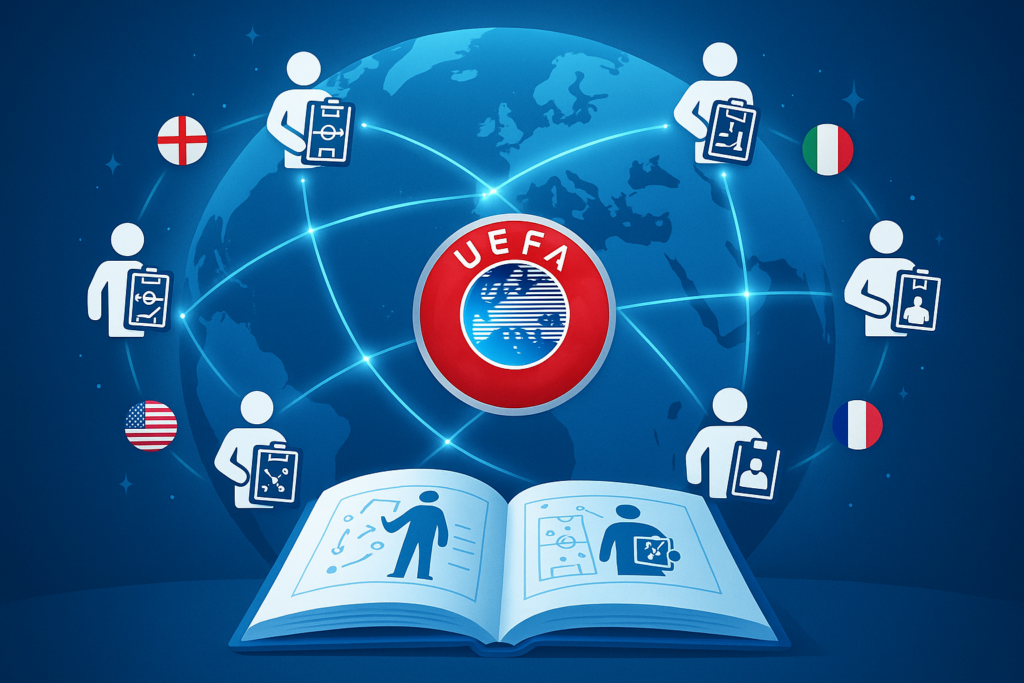
Trainer aus aller Welt die sich unter der UEFA ausbilden lassen

While the UEFA licensing structure is largely standardised in Europe, there are differences in coach education around the world.

Austria

In Austria, too, coach education, is organised by the Austrian Football Association (ÖFB), is also closely aligned with the UEFA guidelines. The ÖFB attaches great importance to sound training that takes into account both tactical and pedagogical aspects and enables a permeability from the grassroots to the top level. The training often takes place in the regional association sports schools and increasingly integrates modern approaches such as Video Analysis and sports psychology content in order to prepare the next generation of coaches for the diverse demands of national and international football.

Germany

In Germany, education is organised by the German Football Association (DFB) and is highly structured. The DFB Academy in Frankfurt is regarded as one of the most advanced training centres in the world. Particular emphasis is placed on the training of young coaches, and Germany has developed a strong network for youth football in recent years.

England

In England, the Football Association (FA) is responsible for coach education. There are strict entry requirements, particularly for the UEFA Pro Licence. English coach education has modernised considerably in recent years, particularly in the areas of sports science and data analysis.

USA

In the USA, football coach education is regulated by the US Soccer Federation. The focus here is strongly on the development of youth football, and coach education is closely linked to the university system. The licence structure is based on that of UEFA, although the requirements are more flexible, which makes access easier.

South America

In South America, particularly in Brazil and Argentina, coach education is less structured than in Europe. Many coaches rely on their own experience as players and acquire their licences parallel to an active football career. Even though associations such as CONMEBOL are attempting to formalise education, practice in South America is often strongly influenced by individual experience.

Zwischen Anspruch und Erfolg

Football coach education is a complex and demanding process that ranges from grassroots amateur level to professional football. Education is characterised by high demands in terms of time and costs, but also offers many advances in the areas of tactical knowledge, psychology and technology. An international comparison shows that the UEFA licences are largely regarded as the standard, while other continents go their own way.

The challenges along the way are great, but with the right support and a clear goal in mind, ambitious coaches can advance their careers to the professional level.

Already have a camera but looking for an affordable analysis platform?

zone14 COACH is the solution

Share on Facebook
Share on Twitter
Share on Linkedin
More related content from zone14