← Back to the blogVideo analysis
Video Analysis in Sport 2026: Techniques, Tools and Applications
What video analysis is, how it works and what coaches use it for: an overview of cameras, software, apps and applications in football.
Contents9 sections
Video analysis has become an essential part of modern football – and it is no longer reserved for professional clubs. This overview explains what video analysis is, how it works, which technologies and tools exist and what coaches and analysts use it for every day. For each topic, you’ll find an article that goes into more depth.
What is video analysis?
In video analysis, matches and training sessions are recorded, broken down into individual scenes and evaluated. Coaches and analysts use it to spot tactical patterns and the strengths and weaknesses of the team and individual players, and to drive improvements in a targeted way. Video footage and statistical data are combined: the video shows what happened, the data shows how often and how intensely.
This visual preparation provides not only objective facts but also a shared basis for communication between coaching staff and players. Instead of relying on vague impressions, concrete scenes show what worked and what didn’t. In football, where fractions of a second often decide the outcome, this helps to understand and improve running lines, passing patterns and the use of space.
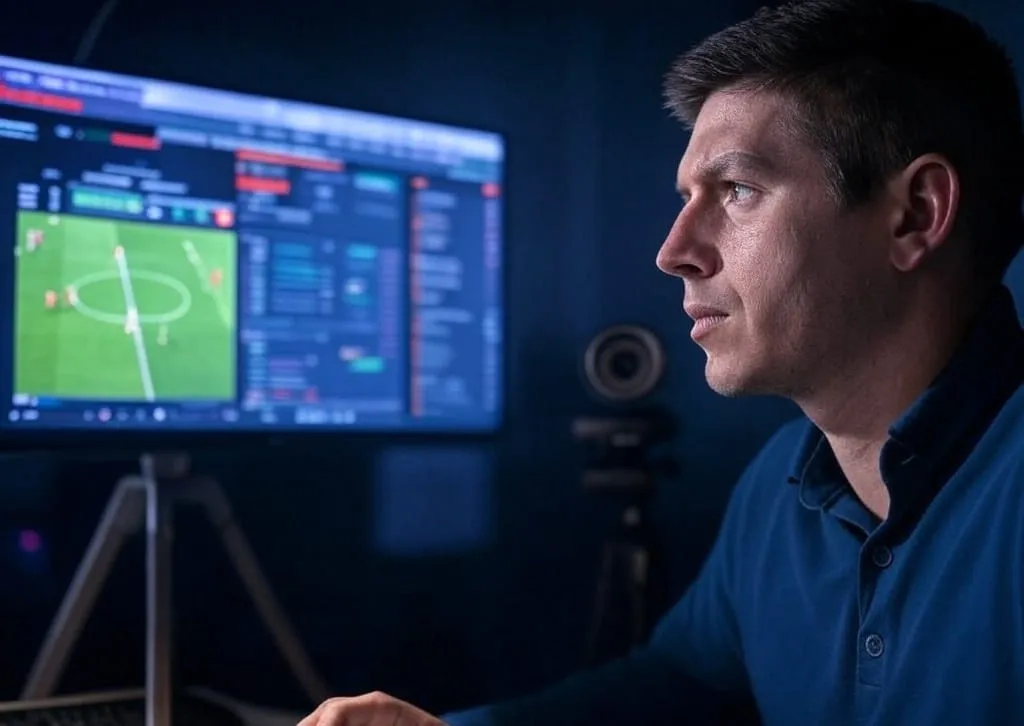
How video analysis works: from match video to feedback
At its core, every video analysis follows the same steps: record, tag key scenes, evaluate and feed the insights back to players and coaching staff. What this looks like in everyday club life and how to do it without spending hours is shown in our workflow from match recording to player feedback.
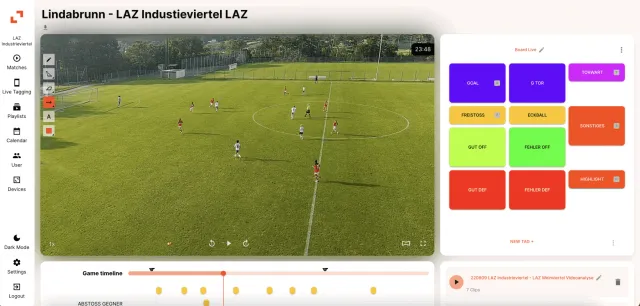
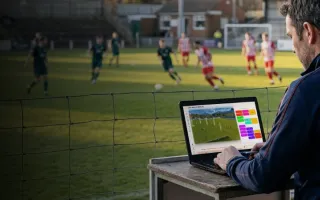
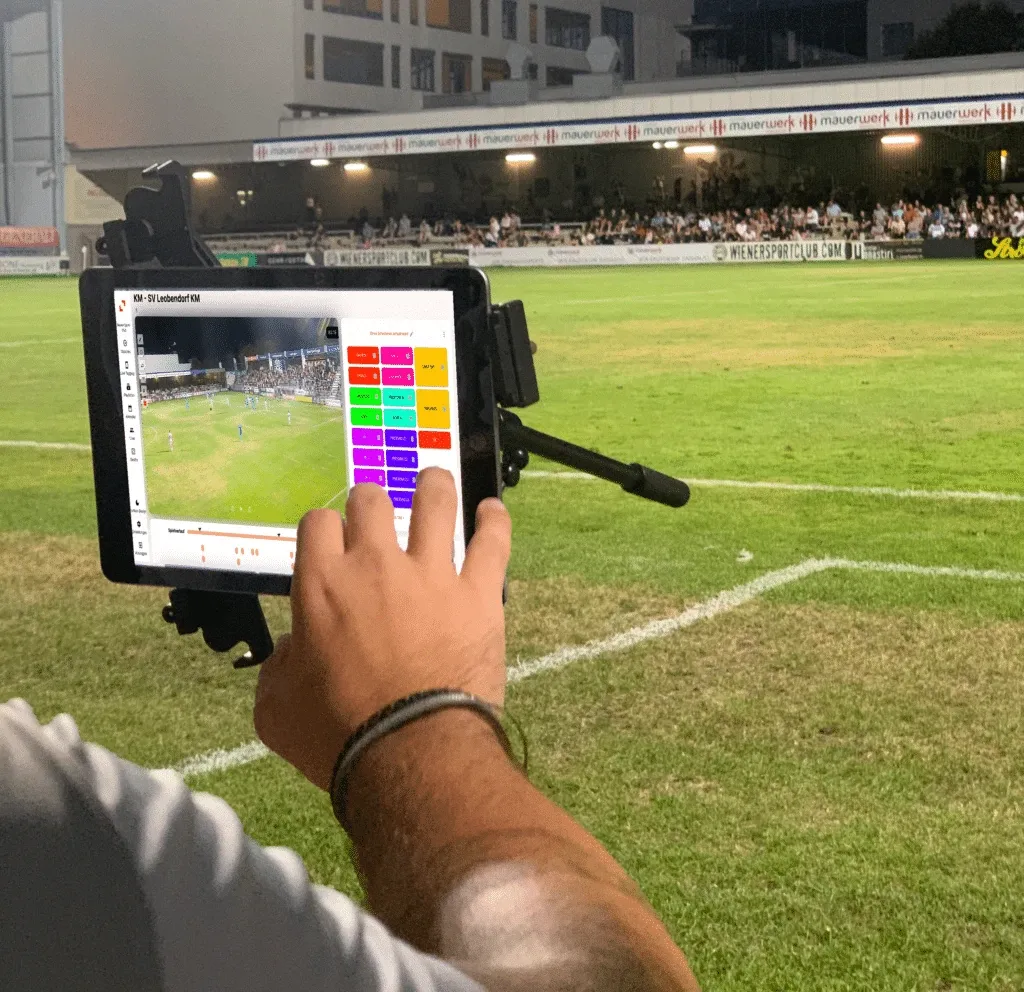
A key step is marking important scenes, known as tagging. With a tagging board, events can be captured with a click during the match and later compiled into playlists automatically.
Cameras, AI and tracking
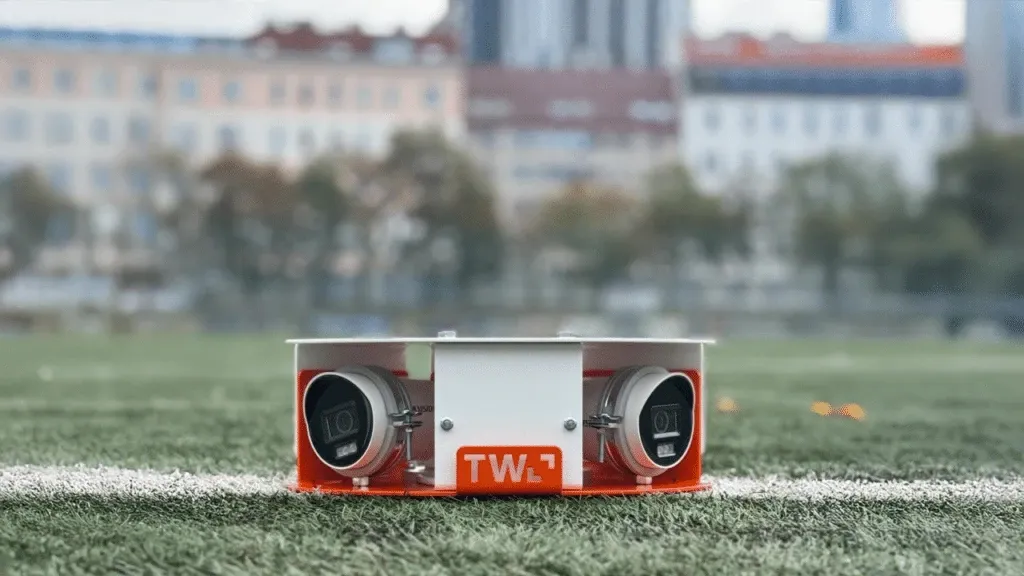
Every analysis starts with a good recording. AI-powered camera systems have changed a lot here: instead of time-consuming manual filming, they follow the ball and players automatically and deliver high-quality footage without extra staff. What to look for when choosing one is explained in our article on finding the best football camera for recording and analysis. How the well-known systems from zone14, Veo, Pixellot, Staige and Trace differ is shown in our comparison of AI camera systems.
Besides the picture, modern systems also deliver data. Heatmaps show which zones players move in, and running statistics such as total distance, sprints and high-intensity runs indicate load and fitness. With zone14 STATS, these values come straight from the video – without GPS vests. How artificial intelligence is changing analysis as a whole is described in our article on innovation in football through AI.
Software, apps and tools
High-quality footage alone isn’t enough – the right software matters just as much. Good platforms offer drawing tools, tagging, playlists and an easy way to share clips with the team. Which features really count is explained in our article on choosing a football video analysis tool and software.
- Apps on the go: If you want to analyse on the touchline or in the dressing room, our overview of the best video analysis apps 2026 covers solutions for smartphone and tablet.
- Professional software compared: How Hudl Sportscode, ONCE and zone14 differ in an analyst’s daily work is shown in our comparison of video analysis software.
- Analysing your own footage: Professional analysis is also possible with another camera – for example with the right software for XbotGo Falcon footage.
At zone14, we offer zone14 REPLAY, video analysis software built by coaches for coaches that works seamlessly with the zone14 TWO.
What video analysis is used for
Match and opposition analysis
After the match is before the match: evaluating your own performance and preparing for the next opponent are the classic uses. How to go about it step by step, from preparation to analysis to the debrief, is shown in our guide to football match analysis. The most important terms are explained in our tactics glossary.
Video analysis in training
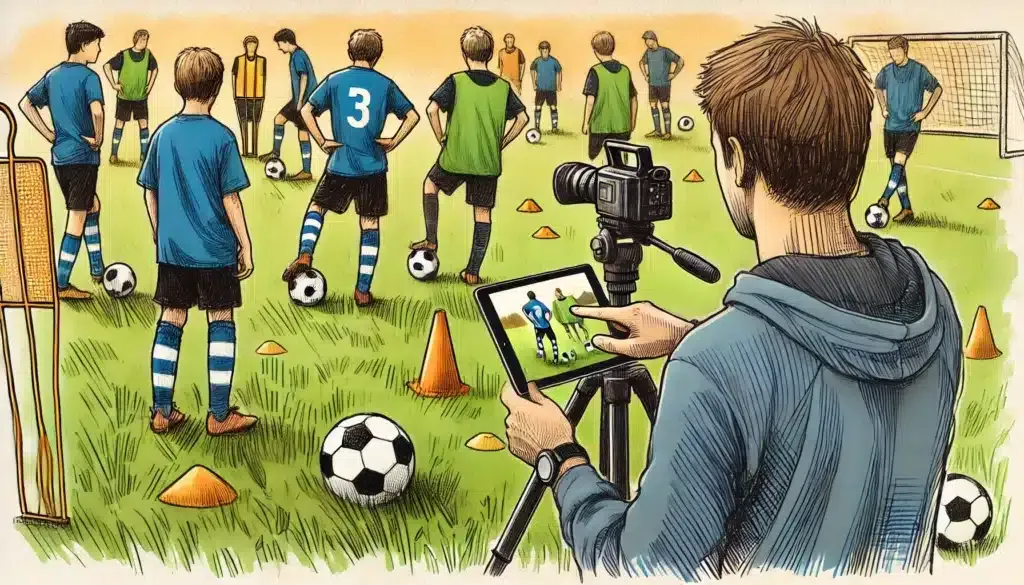
The camera is worth it in training too: sequences are recorded and reviewed straight away so that players get direct feedback. How to use video analysis for technique, tactics and set pieces in everyday training is explained in our article on video analysis in training.
Coaching players and teaching tactics
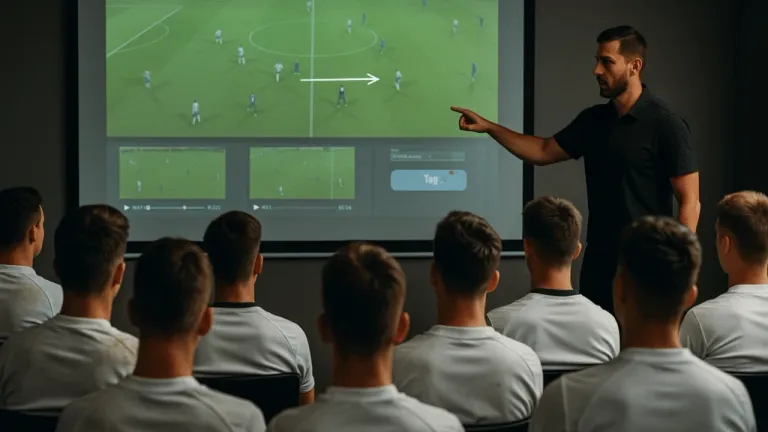
Videos make tactical concepts tangible. By showing real match situations, players understand space, passing lanes and decisions better. How to use video analysis as a teaching tool and get your players actively involved is shown in our guide to teaching football through video analysis.
Individual performance analysis
Video analysis isn’t limited to team tactics. By analysing one-on-one situations, running lines and technique, individual training plans can be created: if a striker struggles with finishing, targeted advice on shooting technique or positioning in front of goal can be backed up with concrete scenes. More on this in our article on individual performance analysis.
Live analysis during the match
During the 90 minutes, tactical adjustments and quick feedback are often decisive. Live analysis allows the coaching team to recognise changes in the opponent’s formation and adjust substitutions or tactics accordingly. Why this is worthwhile in amateur football too is explained in our article on the benefits of live video analysis.
Video analysis in amateur and youth football
Video analysis is no longer reserved for professional clubs. In youth football, video feedback helps young players understand their movements and decisions better – more in our article on video analysis in youth football. In amateur football, it encourages clearer communication and better tactical understanding, even when coaches only have limited time. The benefits are described in our article on video analysis in amateur football.
Even whole leagues now use video analysis together, sharing footage between teams and raising the level of the entire competition. How that works is described in our article on covering an entire league with video analysis.
Starting video analysis at your club
Getting started is easier than many think: with a fixed camera or even a smartphone, clear software and a simple routine, any club can begin. Which steps have proven themselves is explained in our article on starting video analysis at your club.

Working as a video analyst
As video analysis has grown in importance, it has become a profession of its own. Video analysts prepare matches, analyse opponents and give the coaching team the basis for decisions. Besides tactical understanding and an eye for detail, they need experience with analysis software. Which tasks the job involves and which training paths exist in Austria is explained in our article on how to become a video analyst in football.
The future of video analysis
Artificial intelligence and machine learning will play an even bigger role: automatic event detection, precise player tracking and injury prevention systems keep evolving and make video analysis more valuable for every club – from youth teams to professional football. For an outlook, read our article on the future of video analysis in football.
At zone14, our goal is to make these technologies accessible to every club, not just the professionals. If you’d like to see what video analysis could look like at your club, get in touch or try our video analysis software yourself.